

Hip bursitis vs. arthritis: How to tell the difference

Fitness for longevity: Which type matters most?

Ministrokes linked to elevated risk of dementia

Continuous glucose monitors benefit people who don't need insulin

CoQ10: Should you take this popular supplement if you're on a statin?

Microplastics: A hidden health threat?

Oat vs. dairy milk: Nutrition, benefits, and downsides

What is tempeh? Benefits, nutrition, and how to use it

Healing after food poisoning

Whole grains may improve several heart risk factors at once
Balance Archive
Articles

Can I outwalk breast cancer?
Ask the doctors
Q. I've heard that walking could reduce my risk of breast cancer. Is this true?
A. Yes, it's true. Walking is not only a great form of exercise to help keep your heart healthy, it could potentially reduce your risk of breast cancer. One 2013 study, published in Cancer Epidemiology, Biomarkers & Prevention, found that women who walked seven hours a week — an hour a day on average — had a 14% lower chance of getting breast cancer when compared with women who walked three hours a week or less. The benefit was seen even in women who were at higher risk for breast cancer, including those who were overweight or who were taking hormone therapy. It's not clear how walking helps, but experts speculate that physical activity might help keep the body's levels of estrogen and insulin in check. Both of these hormones can fuel breast cancer, so regulating them more effectively could reduce your risk.

Moderate-to-vigorous exercise may help prevent atrial fibrillation
Research we're watching
Regular, moderate-to-vigorous exercise may help prevent atrial fibrillation (afib), according to a study in the May 2020 issue of The American Journal of Cardiology.
Previous studies looking at the connection between afib (which causes a rapid, irregular heart rate) and exercise have produced conflicting results. But those studies relied on participants to self-report their exercise habits. For the new study, the 5,147 participants wore devices that measured their activity levels for four to seven consecutive days.

How do I measure exercise intensity?
On call
Q. Exercise guidelines recommend a certain number of hours per week, depending on whether it's moderate or vigorous intensity. So how do I measure exercise intensity?
A. Outside of a physiology laboratory, there really is no standard agreement on how people should gauge their level of exercise intensity.

Lifestyle changes are important for managing atrial fibrillation
Many lifestyle factors can influence the development of atrial fibrillation, and doctors now better understand the importance of these factors in treating afib. Those who are at risk of developing afib can take action to improve their health, and in some cases they may be able to reduce their symptoms.


Youth sports during COVID-19: What parents need to know and do
Playing youth sports is a great way for children to be active and learn important socialization skills, but the risks of COVID-19 mean parents with children who participate in sports must consider a number of factors when deciding whether to play.

Exercise 101: Don't skip the warm-up or cool-down
You might be eager to leap into your exercise routine and get on with the day — but don't just dive in. Starting a workout with "cold" muscles can lead to injury. It's important to start each workout with a warm-up and end with a cool-down — and that goes for true beginners, seasoned pros, and everyone in between.
Warm-up
Warming up pumps nutrient-rich, oxygenated blood to your muscles as it speeds up your heart rate and breathing. A good warm-up should last five to 10 minutes and work all major muscle groups. For best results, start slowly, then pick up the pace. Many warm-up routines focus on cardio and range-of-motion exercises, such as jumping jacks and lunges. If you prefer, you can do a simpler warm-up by walking in place while gently swinging your arms, or even dancing to a few songs.

Exercising to relax
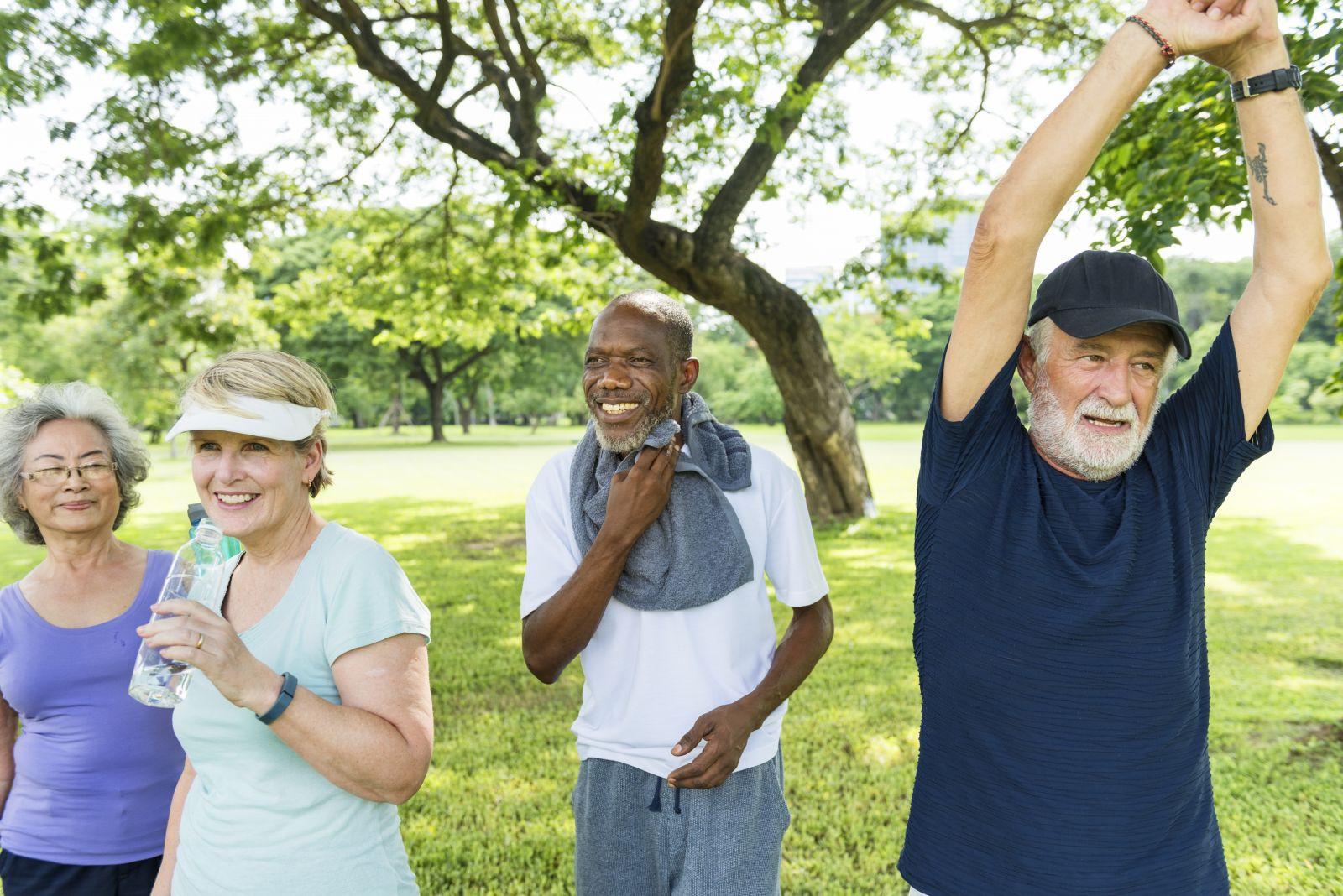
Exercise reduces stress hormones and stimulates production of endorphins, which together help foster relaxation. Other techniques, such as breathing exercises and muscle relaxation, can enhance the stress-beating effects of exercise.

Boning up on osteoporosis
Men need to manage their bone health as much as women do.
Most people think of osteoporosis as a women-only health problem, but older men also need protection from this bone-weakening disease.
About one in four men older than 50 will break a bone because of osteoporosis during his lifetime, according to the National Osteoporosis Foundation. And research has found that compared with women, older men are more likely to die following a fracture related to osteoporosis.
Hip bursitis vs. arthritis: How to tell the difference
Fitness for longevity: Which type matters most?
Ministrokes linked to elevated risk of dementia
Continuous glucose monitors benefit people who don't need insulin
CoQ10: Should you take this popular supplement if you're on a statin?
Microplastics: A hidden health threat?
Oat vs. dairy milk: Nutrition, benefits, and downsides
What is tempeh? Benefits, nutrition, and how to use it
Healing after food poisoning
Whole grains may improve several heart risk factors at once
Free Healthbeat Signup
Get the latest in health news delivered to your inbox!
Sign Up
