

Hip bursitis vs. arthritis: How to tell the difference

Fitness for longevity: Which type matters most?

Ministrokes linked to elevated risk of dementia

Continuous glucose monitors benefit people who don't need insulin

CoQ10: Should you take this popular supplement if you're on a statin?

Microplastics: A hidden health threat?

Oat vs. dairy milk: Nutrition, benefits, and downsides

What is tempeh? Benefits, nutrition, and how to use it

Healing after food poisoning

Whole grains may improve several heart risk factors at once
Blood Pressure Archive
Articles
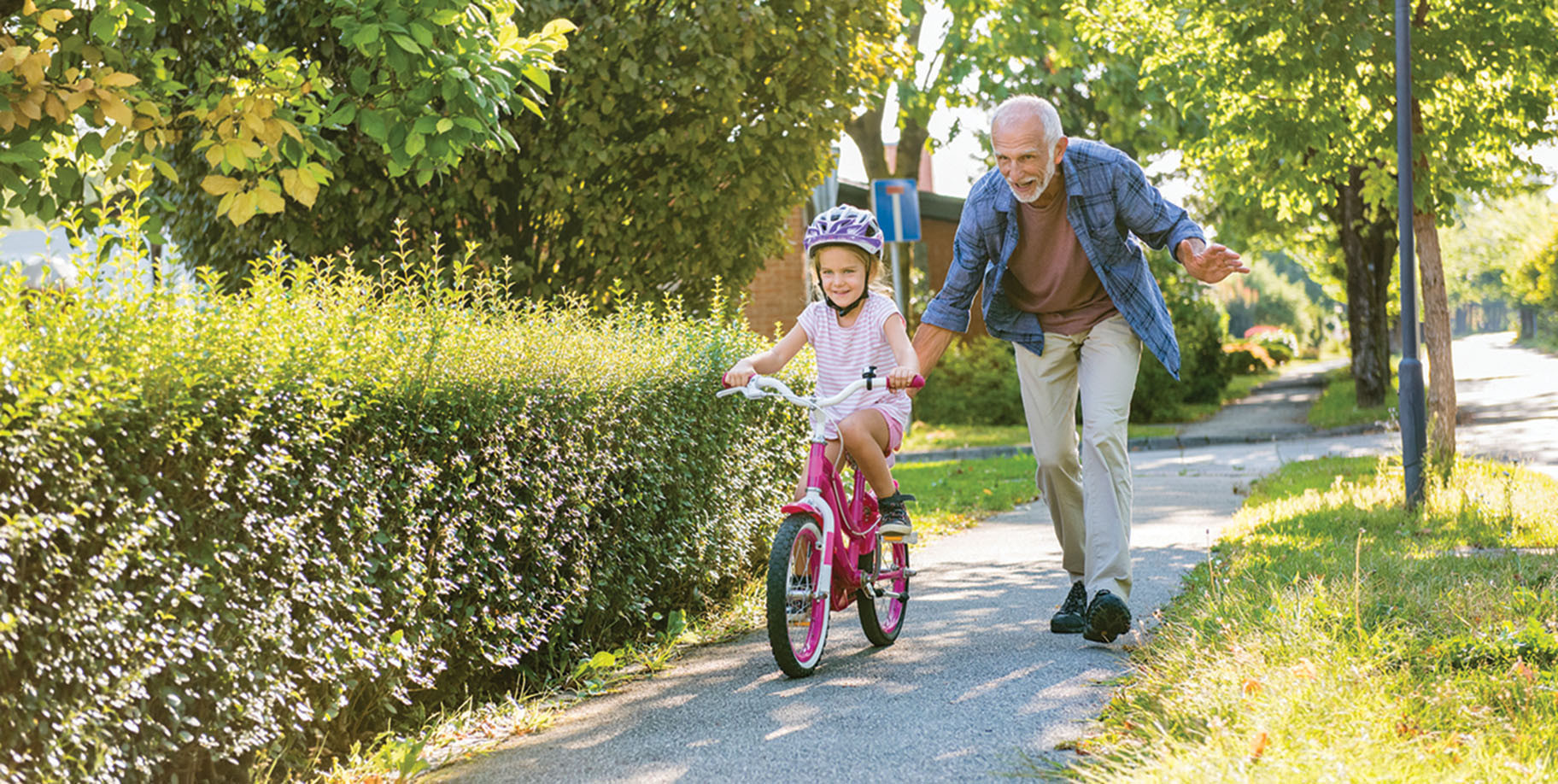
Stay active as you age to extend your health span
According to the "active grandparent" hypothesis, humans evolved to be physically active throughout life. That frequent movement helps ward off chronic disease (including heart disease) and promotes longevity. While hunter-gatherers had to be active to survive, they also had a natural instinct to avoid unnecessary activity to preserve energy when food was scarce. Modern humans don't need to expend physical effort to meet their basic needs for food and survival. Instead, they must exercise (defined as discretionary activity for the sake of health) to stay healthy and live a long life.

Meal of the month: Southern side dishes
Traditional Southern cuisine features side dishes based on vegetables, beans, and whole grains that, when served together, can make a complete, meat-free meal that’s both filling and tasty.

Staving off heart problems in your 80s and beyond
For people in their 80s and beyond, the advice for preventing and treating heart disease is similar to that for young people, especially with respect to staying physically active. But octogenarians may need to adjust their medication regimens. Low-dose aspirin is not recommended after age 70, and doses of anti-clotting medications may need to be reduced. Some people may also need to dial back their blood pressure medications if they experience side effects such as dizziness.

Close relationships with neighbors influence cardiovascular health in Black adults
A study of Black adults living in the Atlanta area suggests that feeling rooted in community and socializing with neighbors may strongly contribute to better cardiovascular health, which might lower risk for heart attacks and strokes.

Saturated fat eaten in the short term might not threaten heart health
People who follow a low-carbohydrate/high-fat diet for weight loss often eat high amounts of saturated fat. Even though saturated fat can contribute to cardiovascular disease, a 2021 study suggests that eating higher amounts might not be bad for heart health in the short term.

High blood pressure? Certain drugs may compound the problem
Almost 20% of people with hypertension may be taking medications that raise blood pressure, most often pain relievers such as ibuprofen (Advil) and naproxen (Aleve). Other classes, such as certain antidepressants, may also increase blood pressure.

Your brain on high blood pressure
High blood pressure not only can raise risk for a heart attack, but also can affect the brain. Keeping blood pressure normal can make brain injury from stroke less likely to happen and perhaps slow the natural decline in cognitive function. Just like with the heart, the best way to protect the brain from high blood pressure is to lower blood pressure if it's high and keep it as close to a normal level as possible.

Fish linked to lower risk of vascular brain disease
Older adults who eat fish several times a week may be less likely to develop early signs of cerebrovascular disease, a category that includes strokes, aneurysms, and related problems.

Low-level exposure to toxic metals: A risk for clogged arteries?
Being exposed to even low levels of certain toxic metals, including arsenic, cadmium, and titanium, may raise a person's risk for clogged arteries.

Anger or emotional upset may trigger stroke
Anger or emotional upset may be linked to an increased risk of stroke within an hour of experiencing those negative emotions.
Hip bursitis vs. arthritis: How to tell the difference
Fitness for longevity: Which type matters most?
Ministrokes linked to elevated risk of dementia
Continuous glucose monitors benefit people who don't need insulin
CoQ10: Should you take this popular supplement if you're on a statin?
Microplastics: A hidden health threat?
Oat vs. dairy milk: Nutrition, benefits, and downsides
What is tempeh? Benefits, nutrition, and how to use it
Healing after food poisoning
Whole grains may improve several heart risk factors at once
Free Healthbeat Signup
Get the latest in health news delivered to your inbox!
Sign Up
