

Hip bursitis vs. arthritis: How to tell the difference

Fitness for longevity: Which type matters most?

Ministrokes linked to elevated risk of dementia

Continuous glucose monitors benefit people who don't need insulin

CoQ10: Should you take this popular supplement if you're on a statin?

Microplastics: A hidden health threat?

Oat vs. dairy milk: Nutrition, benefits, and downsides

What is tempeh? Benefits, nutrition, and how to use it

Healing after food poisoning

Whole grains may improve several heart risk factors at once
Blood Pressure Archive
Articles

The facts on fat and heart health
Dietary fat can both help and hurt heart health, depending on the source. Eating adequate amounts of the "good" fats—monounsaturated and polyunsaturated—can help reduce cholesterol levels and lower blood pressure. "Bad" saturated fat found in many processed foods can have the opposite effect. Following heart-healthy diets like the Mediterranean and DASH diets and making small substitutions in daily eating habits can ensure people get the proper amounts of good fats.

Getting through grief
The American Psychiatric Association has recently added prolonged grief disorder to its official list of classified mental disorders. Someone may develop this disorder when someone close has died within the past 12 months. The person may experience intense longing for the deceased or preoccupation with thoughts about him or her. These feelings occur most of the day and nearly every day for at least a month. Recognizing the signs and seeking out help with talk therapy are the best approaches to help prevent it from evolving to depression.

A look at health screenings
Men are less likely than women to get regular exams and tests, especially when they are younger. But as they age, routine screenings are essential. There are certain tests most men should have at some point, including ones for colon cancer, high blood pressure, hepatitis C, diabetes, and HIV. Other tests men should consider if they are at high risk for specific ailments, such as abdominal aortic aneurysm, hepatitis B, and lung cancer.

Meal of the month: Baked salmon, farro, and colorful vegetables

When the doctor becomes the patient: A transformative experience
A doctor's serious health threat prompts reflection on the power of spirituality, the value of mindfulness practice, and acknowledgment of mortality as a motivator to reassess one's priorities.
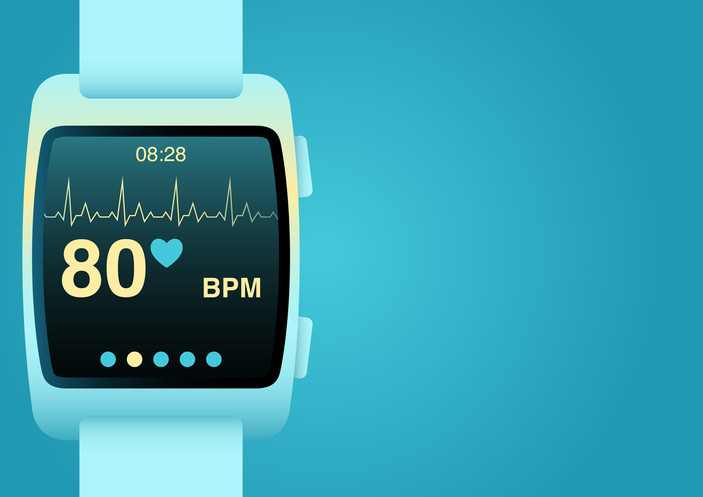
Harvard Health Ad Watch: How helpful are pulse monitors and home ECGs?
Ads for consumer health monitoring devices make it seem like having ready and regular access to heart rate, heart rhythm, and electrocardiogram data is something everyone needs. While it may help some people with existing heart conditions, how about for an average person without such a concern?

Coffee and your blood pressure
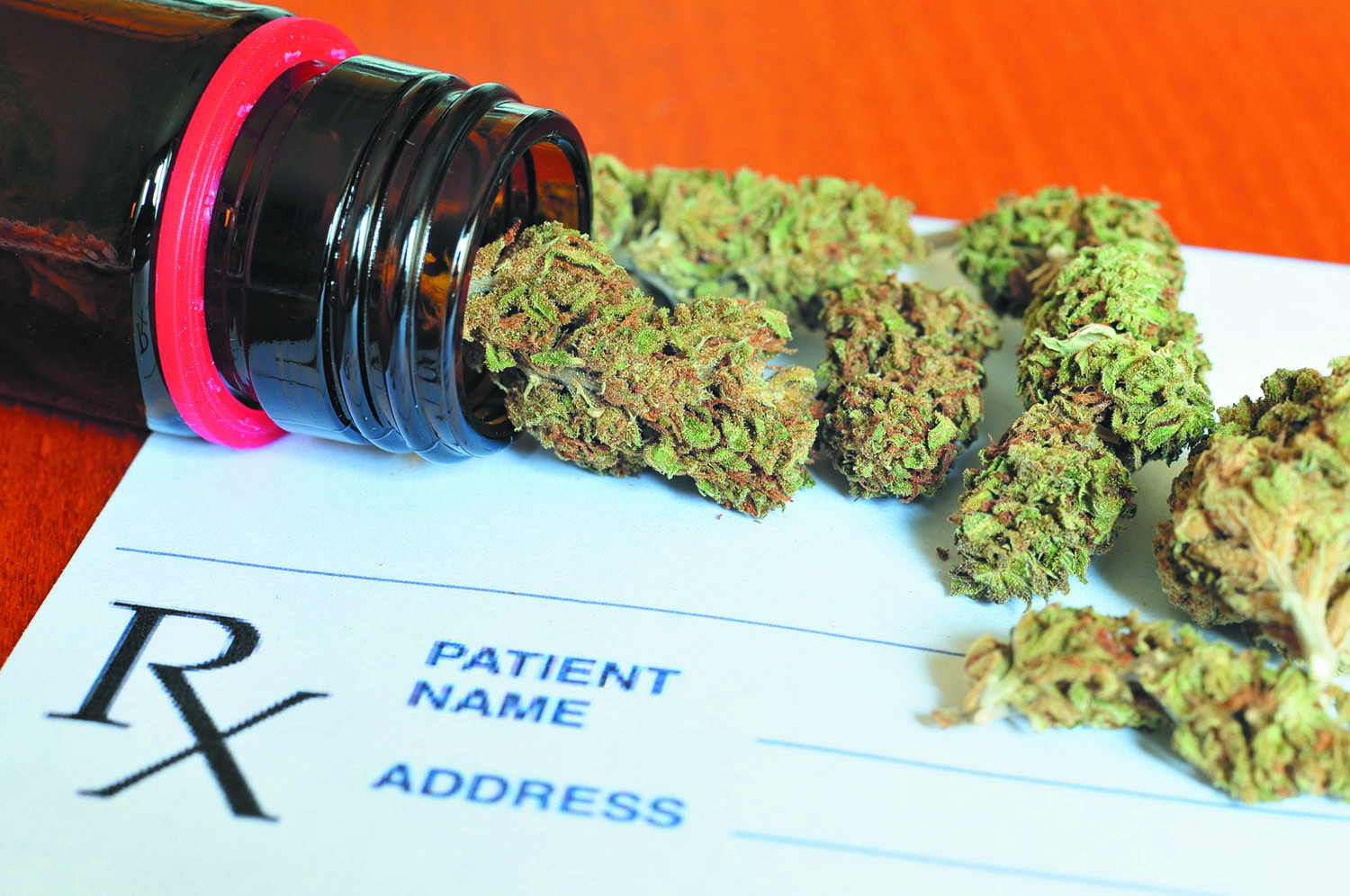

Exercise may heal the heart as well as prevent future problems
Exercise may help to reverse some types of heart damage. Not only can workouts prevent heart problems, but it may help to improve conditions that may raise risk for cardiovascular events. A 2021 study, for example, showed that a yearlong exercise program helped improve heart health in people who were at increased risk for heart failure.
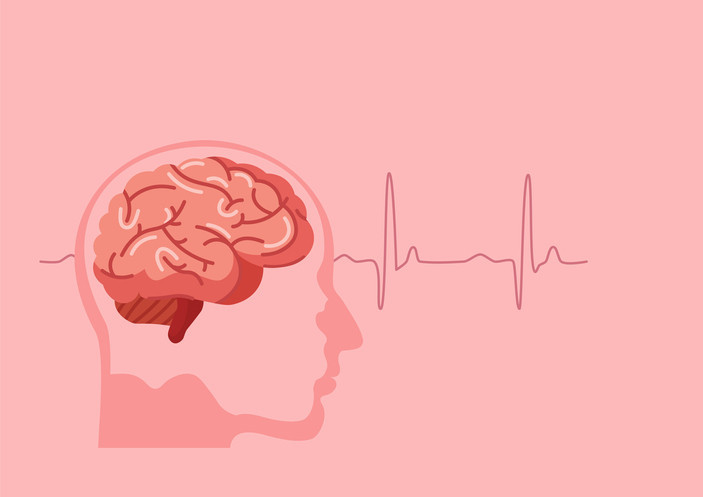
Is there such a thing as a silent stroke?
It is possible to experience a stroke without symptoms. Addressing cardiovascular risk factors can help lower the risk.
Hip bursitis vs. arthritis: How to tell the difference
Fitness for longevity: Which type matters most?
Ministrokes linked to elevated risk of dementia
Continuous glucose monitors benefit people who don't need insulin
CoQ10: Should you take this popular supplement if you're on a statin?
Microplastics: A hidden health threat?
Oat vs. dairy milk: Nutrition, benefits, and downsides
What is tempeh? Benefits, nutrition, and how to use it
Healing after food poisoning
Whole grains may improve several heart risk factors at once
Free Healthbeat Signup
Get the latest in health news delivered to your inbox!
Sign Up
