

Hip bursitis vs. arthritis: How to tell the difference

Fitness for longevity: Which type matters most?

Ministrokes linked to elevated risk of dementia

Continuous glucose monitors benefit people who don't need insulin

CoQ10: Should you take this popular supplement if you're on a statin?

Microplastics: A hidden health threat?

Oat vs. dairy milk: Nutrition, benefits, and downsides

What is tempeh? Benefits, nutrition, and how to use it

Healing after food poisoning

Whole grains may improve several heart risk factors at once
Brain health Archive
Articles

Hearing aids: Can they help thinking skills, too?
A 2022 review of dozens of randomized controlled trials and observational studies found that people who used hearing aids or cochlear implants had a 19% lower risk of cognitive decline, compared with people who didn't use the devices.

Harvard study: Shingles linked to a spike in risks for heart attack and stroke
A 2022 observational study that included more than 200,000 people found that those who'd had shingles at some point had a 30% higher long-term risk for a major cardiovascular event, compared with people who didn't have shingles.
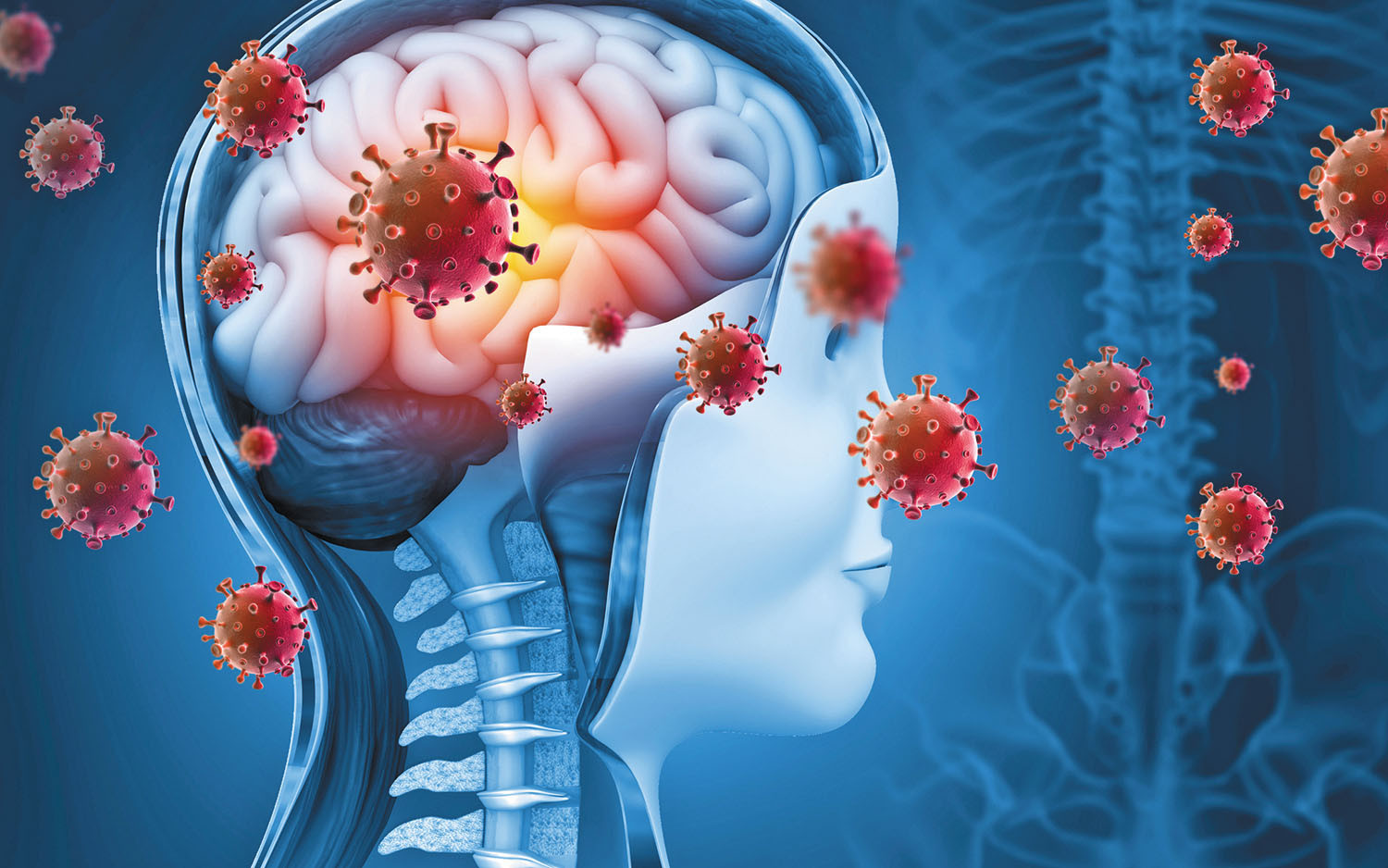
Does COVID-19 damage the brain?
COVID-19 can damage the brain in many ways. Initially, it can cause brain inflammation that causes confusion, difficulty concentrating, and memory problems. COVID also can cause new psychological disorders such as depression or anxiety. It can even cause people to see and hear things that aren't there and to believe things that aren't true. COVID often damages the brain's autonomic nervous system, leading to abnormalities in heart rate and blood pressure. Additionally, the virus that causes COVID can infect and injure the lining of blood vessels and make blood clot more easily, which can lead to strokes and heart attacks.

Spot the warning signs of 4 dangerous conditions
Sometimes people miss the symptoms of life-threatening conditions such as a heart attack, a stroke, atrial fibrillation, or a pulmonary embolism. To detect the warning signs, people should pay attention to sudden, new symptoms, especially if they include shortness of breath, chest pain, heart palpitations, lightheadedness, confusion, weakness, fatigue, fainting, or a terrible headache. Someone experiencing any of these symptoms should call 911. If symptoms aren't sudden or intense, and people aren't sure if they warrant emergency help, they should call their doctor.

Addressing language challenges after a stroke
Stroke is the most common cause of aphasia, a language-based brain disorder that can affect speaking, understanding, reading, and writing. But the brain has the ability to rewire brain cells and recover lost function through a process known as neuroplasticity. Therapy with a speech-language pathologist facilitates this recovery, which is greatest in the first several months after a stroke. Stroke survivors who keep working on their language processing problems can continue to improve for years.

Why play? Early games build bonds and brain
More than a million nerve connections are made in the brain in the first few years of life. Babies and young children thrive with responsive caregiving, such as engaging a child in playful games that change as they grow.

Managing the unthinkable
One in 10 Americans ages 65 and older has dementia. The condition is likely to progress slowly, offering couples the opportunity to adopt coping strategies that can smooth their path. Early on, you can consider treatment that may temporarily improve memory and thinking problems. People whose partners have been diagnosed should get informed about dementia, attend doctor's visits, take over certain tasks, keep routines, update legal documents, and join a support group.

It may not be too late to protect against dementia
Older adults can still lower their risk for dementia by taking medication to decrease their high blood pressure, according to a recent study.

Bring a fuzzy memory back into focus
Keeping the brain as healthy as possible might help slow the fuzzy thinking that develops with age-related brain changes. The best way to stay sharp is by living a healthy lifestyle: exercising regularly (at least 150 minutes per week of moderate-intensity exercise, like brisk walking), sleeping for seven to nine hours per night, eating a Mediterranean-style diet, managing stress, socializing, and learning new things. Doing crossword puzzles may also help sharpen cognition. So might treatment for underlying health conditions, such as depression or thyroid disease.

Better blood pressure control after a stroke may reduce risk of falls
Stroke survivors who take their blood pressure drugs as prescribed may be less likely to experience a serious fall compared with those who don't take their medications on schedule.
Hip bursitis vs. arthritis: How to tell the difference
Fitness for longevity: Which type matters most?
Ministrokes linked to elevated risk of dementia
Continuous glucose monitors benefit people who don't need insulin
CoQ10: Should you take this popular supplement if you're on a statin?
Microplastics: A hidden health threat?
Oat vs. dairy milk: Nutrition, benefits, and downsides
What is tempeh? Benefits, nutrition, and how to use it
Healing after food poisoning
Whole grains may improve several heart risk factors at once
Free Healthbeat Signup
Get the latest in health news delivered to your inbox!
Sign Up
