

Hip bursitis vs. arthritis: How to tell the difference

Fitness for longevity: Which type matters most?

Ministrokes linked to elevated risk of dementia

Continuous glucose monitors benefit people who don't need insulin

CoQ10: Should you take this popular supplement if you're on a statin?

Microplastics: A hidden health threat?

Oat vs. dairy milk: Nutrition, benefits, and downsides

What is tempeh? Benefits, nutrition, and how to use it

Healing after food poisoning

Whole grains may improve several heart risk factors at once
Brain health Archive
Articles

Atrial fibrillation after surgery: Common and undertreated?
After surgery unrelated to the heart, a diagnosis of atrial fibrillation (afib) may be more common than previously thought. These cases, which may constitute 13% of new afib diagnoses, appear to be undertreated.
Hearts and minds
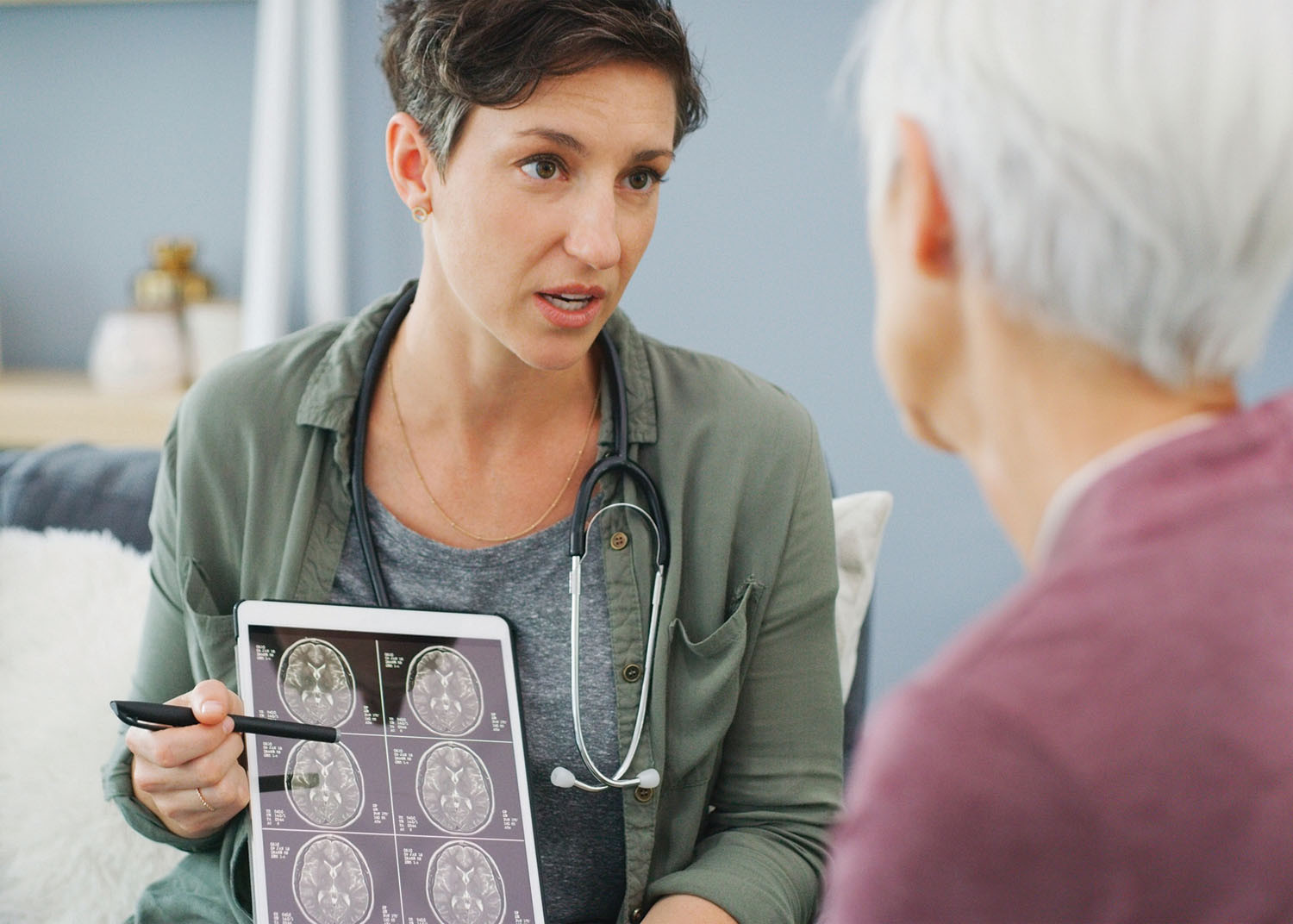
Vascular dementia, which arises from longstanding, cumulative damage to small blood vessels in the brain, may cause or contribute to up to half of cases of dementia. The vessels may thicken or become blocked by blood clots, causing tiny strokes that damage specific parts of the brain important for various thinking abilities. Keeping blood pressure in the recommended range of 120/80 or lower is the best way to prevent vascular dementia.
The dirt on soil and water pollution
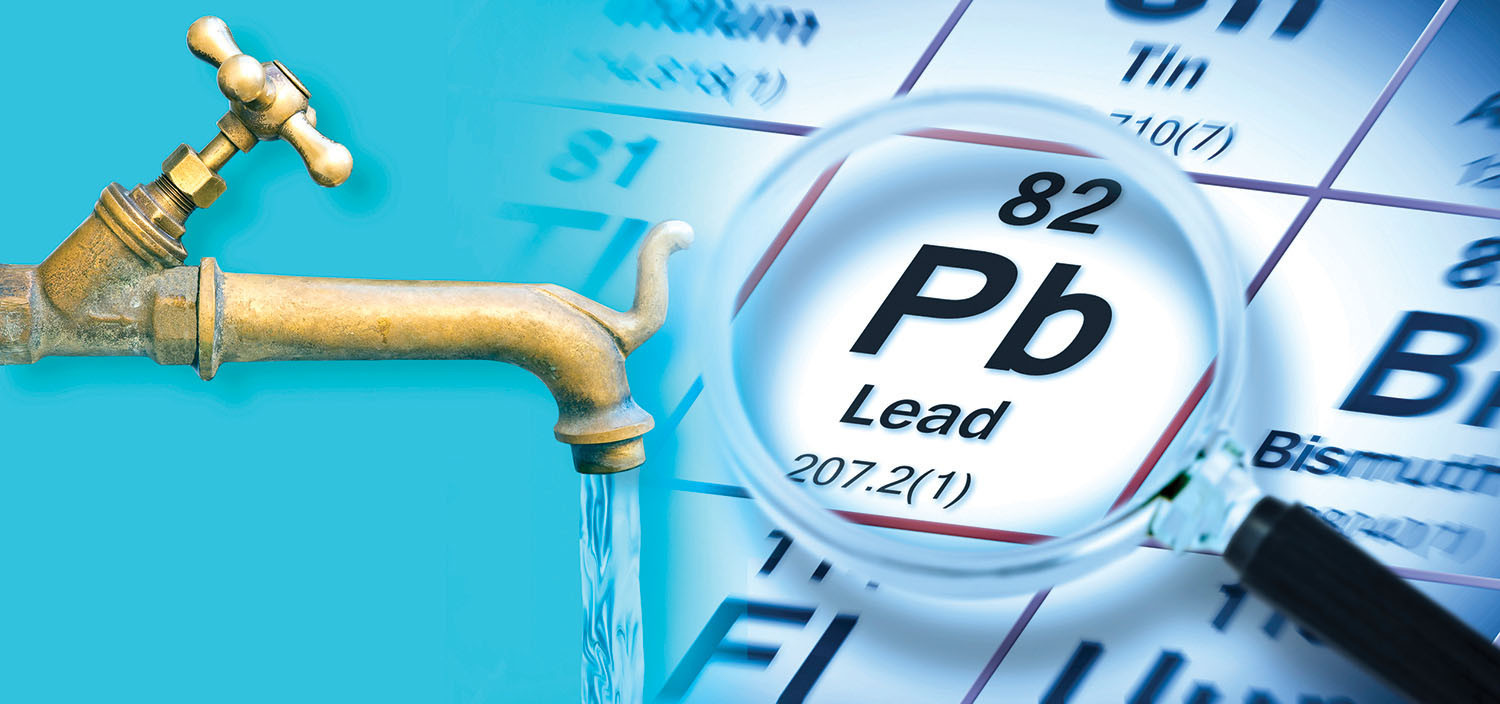
Soil and water pollution from heavy metals, pesticides, and microplastics may affect a person's risk of cardiovascular disease. These pollutants can enter the body when people eat crops grown in dirty soil, drink water contaminated by dirty soil, or inhale soil dust. Lead, cadmium, and arsenic are among the most pressing concerns. Potentially helpful actions include testing one's drinking water, buying organic foods, and minimizing plastic use.

What is a bubble study?
A bubble study is a test done in conjunction with an echocardiogram to check for the presence of a tiny opening between the heart's upper chambers called a patent foramen ovale. Such an opening could explain how an unexpected stroke happened.

More protection for your heart? It's just a shot away
A yearly influenza vaccine may help lower the risk of serious cardiovascular complications, especially among people who've had a recent heart attack. Pneumonia and shingles vaccines also help reduce heart attack and stroke risks. Early fall is a good time to get back on track with these vaccines. Several different types of flu shots are available; experts advise getting whichever one is most readily available. For those ages 65 and older who have a choice, three vaccines (Fluzone High-Dose Quadrivalent, Flublock Quadrivalent recombinant, and Fluad Quadrivalent adjuvanted) may offer slightly better protection than the regular-dose shot and are the preferred choice.

The popularity of microdosing of psychedelics: What does the science say?
Renewed research into the potential benefits of psychedelic drugs has led to interest in microdosing — taking a fraction of a regular dose. Many people believe that microdosing can help them, but the evidence from some recent studies is mixed.

The case of the bad placebo
A trial from 2019 showed a medication dramatically reduced triglyceride levels in participants, but subsequent analysis found that the placebo used in the trial may have negatively affected those assigned to take it.

AFM: A scary polio-like illness
Acute flaccid myelitis (AFM) is an uncommon illness with symptoms that are somewhat similar to polio — weakness and loss of muscle tone in the arms and legs. AFM occurs most often in children and treatment is largely supportive.

Severe COVID infection may lead to noticeable cognitive loss
A 2022 study found that survivors of severe COVID-19 infections can develop cognitive problems, such as brain fog or trouble finding words, equivalent to the loss of 10 IQ points or 20 years of aging.

High-inflammatory diets linked with increased dementia risk
Healthy older adults may have a higher risk for dementia if they follow high-inflammatory diets that include greater amounts of simple sugars, cholesterol, saturated fat, and fried foods.
Hip bursitis vs. arthritis: How to tell the difference
Fitness for longevity: Which type matters most?
Ministrokes linked to elevated risk of dementia
Continuous glucose monitors benefit people who don't need insulin
CoQ10: Should you take this popular supplement if you're on a statin?
Microplastics: A hidden health threat?
Oat vs. dairy milk: Nutrition, benefits, and downsides
What is tempeh? Benefits, nutrition, and how to use it
Healing after food poisoning
Whole grains may improve several heart risk factors at once
Free Healthbeat Signup
Get the latest in health news delivered to your inbox!
Sign Up
