

Hip bursitis vs. arthritis: How to tell the difference

Fitness for longevity: Which type matters most?

Ministrokes linked to elevated risk of dementia

Continuous glucose monitors benefit people who don't need insulin

CoQ10: Should you take this popular supplement if you're on a statin?

Microplastics: A hidden health threat?

Oat vs. dairy milk: Nutrition, benefits, and downsides

What is tempeh? Benefits, nutrition, and how to use it

Healing after food poisoning

Whole grains may improve several heart risk factors at once
Brain health Archive
Articles

Get FITT to better fight heart disease
If you've been diagnosed with heart disease, the FITT approach can reduce your risk for heart attack and stroke.
About half of all Americans have at least one of the key risk factors for heart disease, such as high cholesterol, high blood pressure, and excess weight.
You can address those risks with a heart-healthy diet and medications to lower blood pressure and cholesterol levels. But perhaps the biggest boost you can give your heart is regular aerobic exercise.

Artificially sweetened drinks: No heart health advantage?
Research we're watching
Think you're doing your heart a favor by drinking diet instead of regular soda? That may be wishful thinking, according to a research letter published Nov. 3, 2020, in the Journal of the American College of Cardiology.
Researchers studied nearly 105,000 people who filled out three 24-hour dietary recall surveys every six months. During a 10-year follow-up, researchers tracked the participants' cardiovascular health.

General anesthesia does not appear to increase dementia risk
In the journals
Because older adults often experience temporary changes in memory and thinking after having general anesthesia, they may worry that it increases their risk of dementia. A recent study should help put their minds at ease. Researchers found no association between the type of anesthesia and dementia risk, according to findings published online Oct. 6, 2020, by the Journal of the American Geriatrics Society.
The study looked at almost 7,500 people ages 66 or older without diagnosed dementia who underwent surgery requiring either general anesthesia (where you are unconscious) or regional anesthesia (where you are awake and the surgical area is numbed). The researchers included only people who had not had any previous surgery and stopped assessing those who had a second surgery later.
What are the long-lasting effects of COVID-19?
Ask the doctor
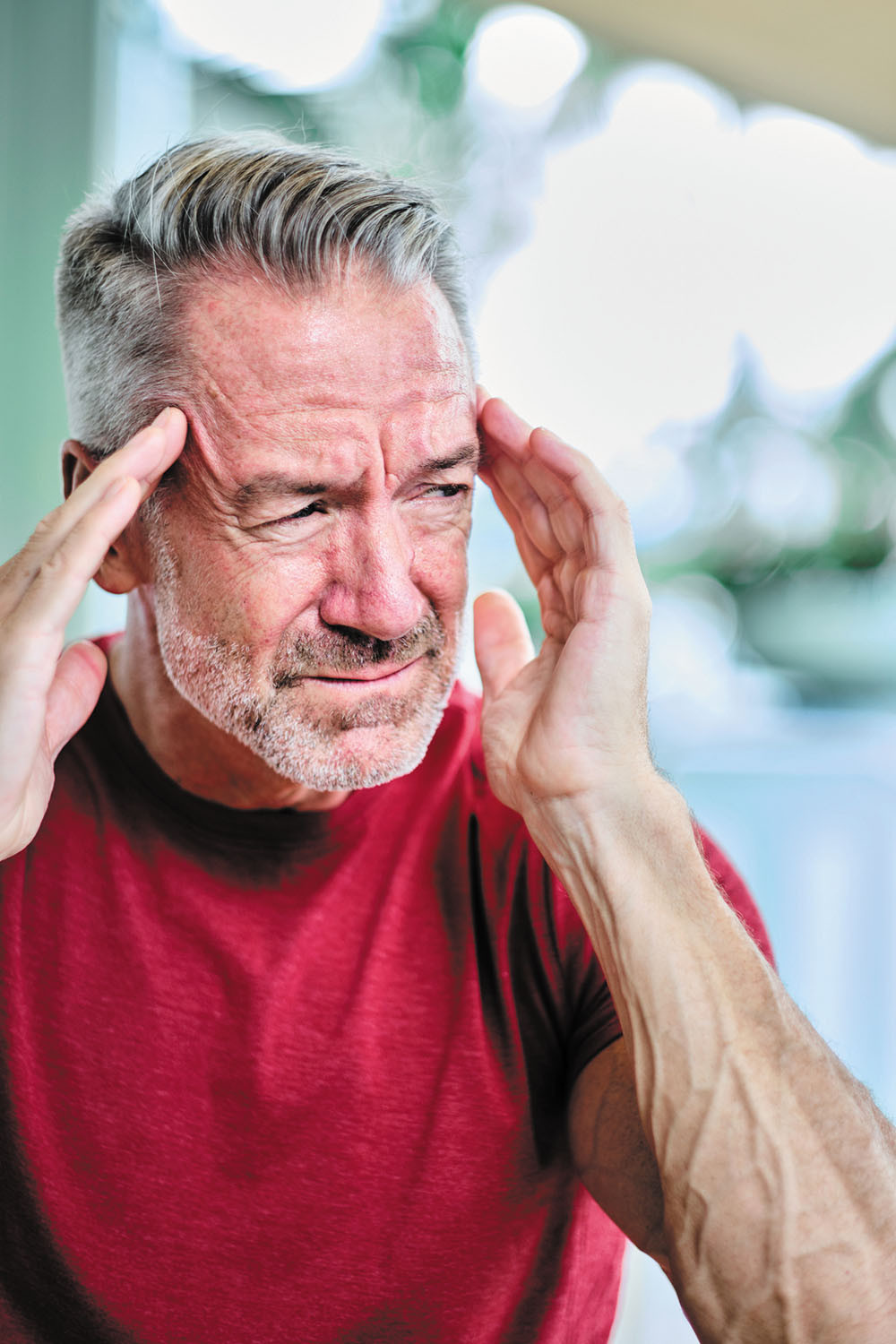
Q. I read that the death rate from COVID-19 is going down, but that people who recover from the infection still can remain sick for a long time. Is that true?
A. It is true, but we don't yet know how big the problem is: COVID-19 has been with us for only a year, and there hasn't been enough time to know the long-term effects.

Treating neuropathy: Which medication is best?
Millions of people suffer from the burning, tingling, and numbness of a form of neuropathy called idiopathic sensory polyneuropathy. A recent study directly comparing four medications produced disappointing results, but is a step in the right direction.

Anticholinergic drugs linked with greater cognitive risk
In the journals
Many commonly used drugs have anticholinergic effects, meaning the drugs block the action of acetylcholine. Nerve cells release acetylcholine to transmit impulses to other nerves in the brain and throughout the body. Previous research has shown a link between these drugs and dementia. Now a study has found a similar link with mild cognitive impairment (MCI), especially if you take larger doses. The findings were published online Sept. 2, 2020, by Neurology.
Some medications are designed purposefully to block acetylcholine, such as those used for urinary incontinence. But more often the anticholinergic action is a side effect of drugs taken to treat conditions like allergies, colds, and depression.

Dementia declining in the United States
Research we're watching
According to a study published in the Aug. 4, 2020, issue of Neurology, the number of new cases of dementia in Europe and North America has dropped 13% every 10 years over the past 30 years. Researchers looked at data collected by the Alzheimer's Research Consortium, which included people over age 65 in Europe and the United States.
The actual number of adults with dementia has increased dramatically in recent years as life expectancy increases. The condition currently affects some 47 million people worldwide, and that number is expected to increase in coming decades.

Telemonitoring tied to fewer heart attacks, lower medical costs
News briefs
If your doctor or pharmacist offers a service to monitor blood pressure measurements you send from home (called telemonitoring), consider taking advantage of it. Past research has shown that telemonitoring — often paid for by Medicare — may help you reduce your blood pressure. And a study published online Aug. 31, 2020, by Hypertension suggests telemonitoring is also associated with a long-term reduction in heart attacks, strokes, and medical costs. The recent study is a follow-up to a randomized controlled trial from 2013 that divided 450 people into two groups: those who received routine primary care, and those who received a year of telemonitoring services with a pharmacist who helped manage their treatment. People in the telemonitoring group had lower blood pressure for up to two years afterward, compared with people who received routine care. In the recently published follow-up, which followed the same participants for five years, researchers found there were about half as many heart attacks, strokes, and hospitalizations in the telemonitoring group as there were in the group that received routine care. Because there were fewer cardiovascular problems, people in the telemonitoring group also saved an estimated $1,900 each in medical costs.

Fish oil drug helps shrink plaque in heart arteries
Research we're watching
A drug made from a highly purified form of EPA (an omega-3 fatty acid found in fish) appears to help reduce plaque in the heart's arteries, according to a study published online Aug. 29, 2020, by the European Heart Journal. The findings may explain why the drug, icosapent ethyl (Vascepa), lowers the risk of heart attack and stroke by 26% in people at high risk for those serious problems.
The study included 80 people with fatty plaque in the arteries of the heart (coronary artery disease). Most of them had diabetes and were taking a statin. Their triglycerides were elevated, ranging from 135 to 499 milligrams per deciliter. Half were randomly assigned to take 4 grams of icosapent ethyl daily; the other half received a placebo.

Low-carb and high-fat diet helps obese older adults
In the journals
Scientists continue to explore the right balance of carbohydrates and fat in people's diets. But for overweight or obese older adults, a recent study found that a low-carbohydrate, high-fat diet might offer special health benefits. The results were published online Aug. 12, 2020, by Nutrition and Metabolism.
Researchers asked 40 obese adults, ages 60 to 75, to follow an eight-week diet in which 10% of calories came from carbs, 25% from protein, and 65% from fat. Carb sources included leafy greens, non-starchy vegetables, some fruit, and high-fiber grains. Protein intake consisted of eggs, fish, pork, and poultry. Fat-containing foods included olive oil, coconut oil, nut oils, nut butter, cheese, coconut milk, and avocados.
Hip bursitis vs. arthritis: How to tell the difference
Fitness for longevity: Which type matters most?
Ministrokes linked to elevated risk of dementia
Continuous glucose monitors benefit people who don't need insulin
CoQ10: Should you take this popular supplement if you're on a statin?
Microplastics: A hidden health threat?
Oat vs. dairy milk: Nutrition, benefits, and downsides
What is tempeh? Benefits, nutrition, and how to use it
Healing after food poisoning
Whole grains may improve several heart risk factors at once
Free Healthbeat Signup
Get the latest in health news delivered to your inbox!
Sign Up
