

Hip bursitis vs. arthritis: How to tell the difference

Fitness for longevity: Which type matters most?

Ministrokes linked to elevated risk of dementia

Continuous glucose monitors benefit people who don't need insulin

CoQ10: Should you take this popular supplement if you're on a statin?

Microplastics: A hidden health threat?

Oat vs. dairy milk: Nutrition, benefits, and downsides

What is tempeh? Benefits, nutrition, and how to use it

Healing after food poisoning

Whole grains may improve several heart risk factors at once
Breast Cancer Archive
Articles
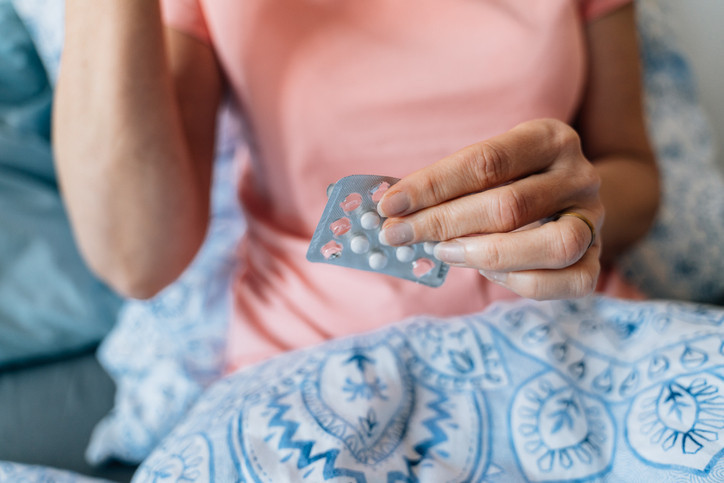
FDA approves first drug designed to treat hot flashes
In May 2023, the FDA approved fezolinetant (Veozah), a nonhormonal drug specifically designed to reduce the frequency and severity of hot flashes in women. Potential side effects include liver damage, abdominal pain, diarrhea, insomnia, or back pain.

Opioid use disorder in older adults: More common than you might think
Adults over 60 are the largest users of prescription opioids in the United States. Opioid use disorder and death rates among older adults have skyrocketed in recent years. Various factors make people more likely to abuse opioids, including smoking or earlier substance use problems. People can avoid sliding into opioid misuse by taking opioids for the shortest possible time, using non-opioid medications, and trying alternative pain relief approaches.

Menopause marketing: Hype vs. truth
An array of "menopause skin care" products joined the beauty market in recent years. Some contain virtually the same active ingredients as "anti-aging" skin products. Falling estrogen levels during the menopause transition can lead to dryness and sagging. Broad-spectrum sunscreen, moisturizers, and other products can help offset these skin changes, but not prevent or cure them. Women should examine a product's ingredients to determine if a "menopause" version is truly different from a standard "anti-aging" version.

Older women disproportionately diagnosed with advanced cervical cancer
A 2023 study indicates that women 65 and older are diagnosed with advanced cervical cancer more often than younger women, and they have a worse prognosis.

Silent suffering
Survivor's guilt includes strong, persistent feelings of sadness and remorse. Advances in cancer treatment have led to an unprecedented 18 million Americans who are cancer survivors, making survivor's guilt a possible psychological outcome for greater numbers. Survivor's guilt may be more common among people who have survived cancers with high death rates. Strategies to cope include taking time to grieve, seeking support from fellow survivors, and getting counseling to explore underlying contributors to feelings of guilt.

The pain gap
Chronic pain is more common in women, who cope with conditions such as arthritis, migraine headaches, lupus, and fibromyalgia at higher rates than men do. Some research suggests the hormone estrogen could contribute to the disparity. Women should feel free to seek a second opinion or referral to a pain specialist if the current plan is not working. They should also be receptive to different treatment approaches, seek support, and make lifestyle changes that can help them manage pain, such as getting adequate sleep and exercising.

Women with migraines more likely to have pregnancy complications
A 2023 study suggests that women who have migraine headaches before pregnancy may have higher risks of pregnancy complications that could threaten their health or that of their babies.

Preventing ovarian cancer: Should women consider removing fallopian tubes?
Ovarian cancer, which claims about 13,000 lives each year, is hard to detect in early stages. Recent guidance from professional groups recommends removing fallopian tubes to help prevent ovarian cancer if women are undergoing gynecologic surgery and are finished with childbearing.

Is snuff really safer than smoking?
The FDA authorized a brand of smokeless tobacco to use language in its advertising claiming that using snuff reduces risk of lung cancer compared to smoking cigarettes. Technically this is true, but it's not the health advantage the product's maker would like consumers to think it is.
Hip bursitis vs. arthritis: How to tell the difference
Fitness for longevity: Which type matters most?
Ministrokes linked to elevated risk of dementia
Continuous glucose monitors benefit people who don't need insulin
CoQ10: Should you take this popular supplement if you're on a statin?
Microplastics: A hidden health threat?
Oat vs. dairy milk: Nutrition, benefits, and downsides
What is tempeh? Benefits, nutrition, and how to use it
Healing after food poisoning
Whole grains may improve several heart risk factors at once
Free Healthbeat Signup
Get the latest in health news delivered to your inbox!
Sign Up
