

Hip bursitis vs. arthritis: How to tell the difference

Fitness for longevity: Which type matters most?

Ministrokes linked to elevated risk of dementia

Continuous glucose monitors benefit people who don't need insulin

CoQ10: Should you take this popular supplement if you're on a statin?

Microplastics: A hidden health threat?

Oat vs. dairy milk: Nutrition, benefits, and downsides

What is tempeh? Benefits, nutrition, and how to use it

Healing after food poisoning

Whole grains may improve several heart risk factors at once
Breast Cancer Archive
Articles

Your breasts may offer clues about your heart health
Could a closer look at your mammogram help guide efforts to prevent heart disease?
Your mammogram could offer a glimpse at more than just the health of your breasts. It may also provide important clues about your heart.
When a radiologist reads a mammogram, she or he sometimes sees little white streaks that look like lines of chalk inside the arteries of your breast. These lines are actually deposits of calcium called arterial calcifications. If you have them, it could mean that you have similar deposits in other arteries inside your body, including those that bring blood to your heart muscle — a known risk factor for heart disease.

Probiotic may help prevent recurrences of bacterial vaginosis
Research we're watching
If you've ever experienced a bout of bacterial vaginosis, a vaginal infection that affects anywhere from 15% to 50% of reproductive-age women, a study published May 14, 2020, in The New England Journal of Medicine may be of interest. It found that women who inserted a type of probiotic called Lactobacillus crispatus (Lactin-V) in their vagina twice per week were less likely to have a recurrence of bacterial vaginosis than women who did not. Experts don't fully understand what causes bacterial vaginosis, but it is associated with an overgrowth of some microorganisms (such as Gardnerella vaginalis or Prevotella), which outnumber healthier types of vaginal bacteria, including a common one called Lactobacillus. In many cases, the condition will recur after treatment. All of the 228 women in the study were initially treated for bacterial vaginosis with the standard topical antibiotic metronidazole (MetroGel Vaginal). But after that treatment, 152 of the women were assigned to use Lactin-V for an additional 11 weeks. The remainder of the group got a placebo treatment. Researchers found that only 30% of the Lactin-V group had a recurrence of bacterial vaginosis by week 12, compared with 45% of the placebo group.
Image: © spukkato/Getty Images

Women's group recommends more screenings for anxiety
Research we're watching
A national coalition of women's health organizations recommends screening all adolescent girls (ages 13 and older) and adult women for anxiety. The goal is to improve detection and treatment for this common condition. The Women's Preventive Services Initiative (WPSI) recommends screening to look for all types of anxiety disorders, such as panic disorder, social anxiety disorder, and generalized anxiety disorder, in addition to depression screenings, which are already recommended for adults, says the WPSI. It would be up to individual clinicians to determine how often to do the screenings and to refer women and girls for follow-up examinations and screening.
Image: fizkes/Getty Images

To prevent cancer, boost your exercise and don’t drink
Research we're watching
Move your body more and skip the alcohol to reduce your risk of cancer, says the American Cancer Society in its new cancer prevention guidelines. The updated recommendations, published online June 9, 2020, by CA: A Cancer Journal for Clinicians, also recommend cutting down on sugar and red meat, based on a review of the most recent scientific evidence.
Specifically, the new guidelines say that instead of exercising moderately for 150 minutes a week or doing 75 minutes of vigorous activity, adults should try to squeeze in 150 to 300 minutes of moderate activity or 75 to 150 minutes of vigorous activity — and that the higher number should be the target. As for diet, people interested in reducing their risk of cancer should aim to eat more plants, including whole (not refined) grains and at least two-and-a-half cups of colorful fruits and vegetables each day, and less sugar and meat (specifically limiting processed and red meat whenever possible). In the past, the ACS recommended moderate alcohol intake, but the new guideline says it's better to avoid alcohol altogether if possible. People who do drink should still stick to the previous recommended limits: no more than one drink a day for women and two drinks a day for men.

A new way to screen for cancer
Blood testing to detect early cancer may be closer to reality than ever before.
When it comes to most cancers, the sooner they're found, the better. "Identifying cancer in its earlier stages offers improved chances for treating it before it can grow and spread," says Dr. Brian Wolpin, director of the Gastrointestinal Cancer Center at Harvard-affiliated Dana-Farber Cancer Institute.
Unfortunately, there are not reliable tools to screen for most cancers. Examples of effective screening tests that do exist now include colonoscopies that look for polyps and early colorectal cancers, as well as imaging tests like mammograms for early signs of breast cancer and chest CT scans for localized lung cancer among former or current smokers.

Another drug recall due to cancer-causing ingredients
News briefs
First it was certain blood pressure and heartburn drugs; now some medications used to treat type 2 diabetes are being recalled because of cancer concerns. The FDA warned in late May and early June 2020 that some lots of extended-release metformin may contain unacceptable levels of N-nitrosodimethylamine (NDMA), a possible cancer-causing chemical. At least five manufacturers are now issuing voluntary recalls of the medications. But if you take extended-release metformin, don't just stop on your own. Not all extended-release metformin products are affected by the voluntary recalls, and stopping any medication that controls blood sugar can be very dangerous. The FDA advises that you check in with your doctor or pharmacist. Ask if your medication is affected by the recall; if so, ask if you should switch to another version of the drug.
Image: fizkes/Getty Images


An emerging link between the urinary microbiome and urinary incontinence
The discovery that the urinary tract has a microbiome analogous to the one in the digestive tract has led to research showing that in women with urinary incontinence, their urinary microbiome differs from those in women who do not have urinary incontinence.

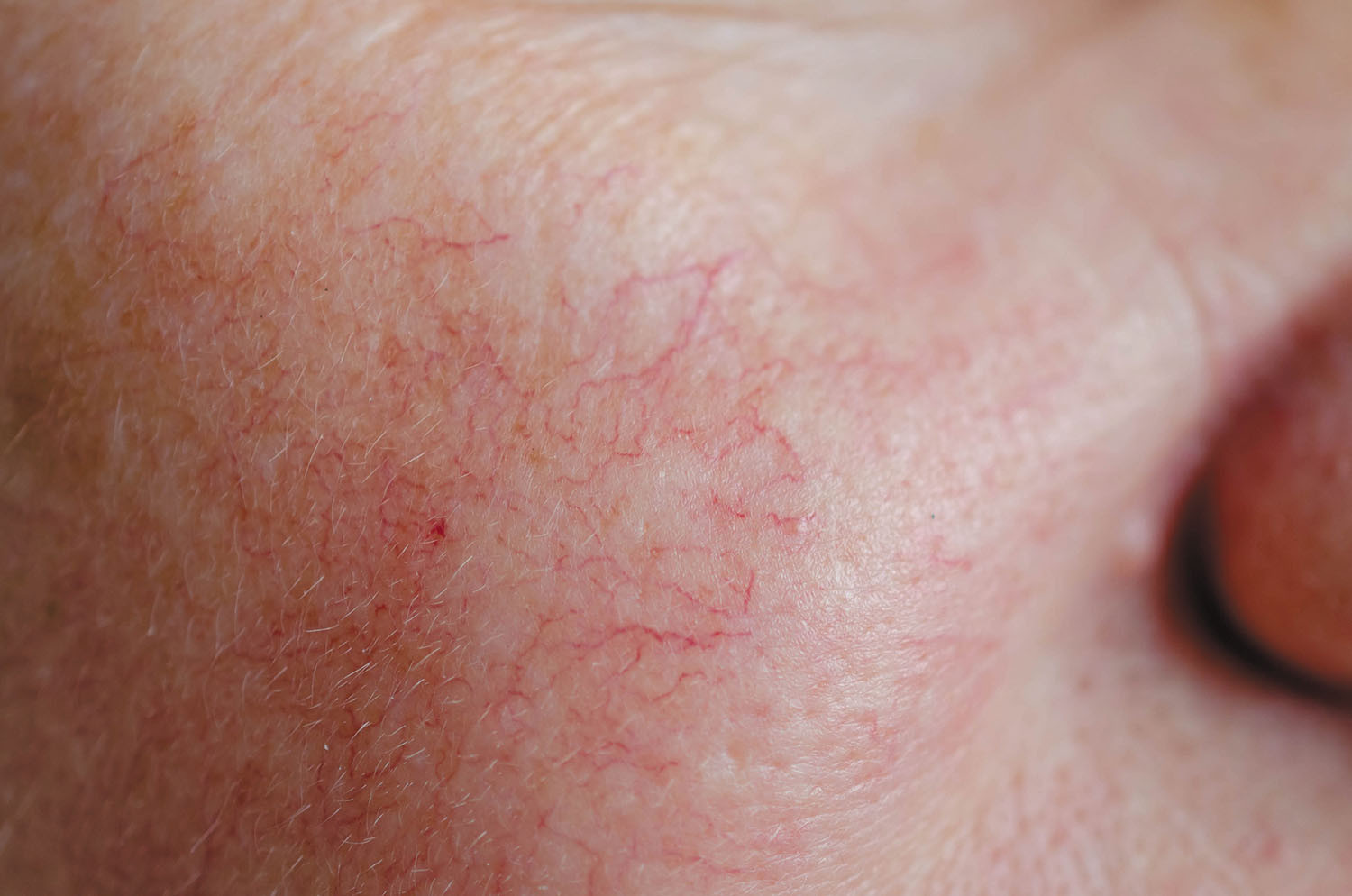
Rosacea can flare at menopause
Tips to help you treat this common skin condition.
You thought you left acne behind you in your teen years, but here you are at midlife with a breakout. But it might not be what you think. Rosacea is often mistaken for acne, and the condition, which most often begins after age 30, sometimes flares at menopause, says Dr. Suzanne Olbricht, an associate professor of dermatology at Harvard Medical School.
A common skin condition affecting some 16 million Americans, rosacea most often develops in people with fair skin who blush easily. Rosacea is sometimes mistaken for sunburn, a naturally ruddy complexion, or even an allergic reaction. It produces a number of skin problems, including
Hip bursitis vs. arthritis: How to tell the difference
Fitness for longevity: Which type matters most?
Ministrokes linked to elevated risk of dementia
Continuous glucose monitors benefit people who don't need insulin
CoQ10: Should you take this popular supplement if you're on a statin?
Microplastics: A hidden health threat?
Oat vs. dairy milk: Nutrition, benefits, and downsides
What is tempeh? Benefits, nutrition, and how to use it
Healing after food poisoning
Whole grains may improve several heart risk factors at once
Free Healthbeat Signup
Get the latest in health news delivered to your inbox!
Sign Up
