

Hip bursitis vs. arthritis: How to tell the difference

Fitness for longevity: Which type matters most?

Ministrokes linked to elevated risk of dementia

Continuous glucose monitors benefit people who don't need insulin

CoQ10: Should you take this popular supplement if you're on a statin?

Microplastics: A hidden health threat?

Oat vs. dairy milk: Nutrition, benefits, and downsides

What is tempeh? Benefits, nutrition, and how to use it

Healing after food poisoning

Whole grains may improve several heart risk factors at once
Breast Cancer Archive
Articles


And now for some good news on health
Good news on health –– which seems hard to come by right now –– includes declines in the rates of six out of 10 major causes of death in the United States.

All rise now — just how fit are you?
Attempting to stand up from a seated position on the floor is a good way to assess your overall fitness. No problem? Do it regularly to track your physical health. Having difficulty? Try these exercises to help you improve your fitness.
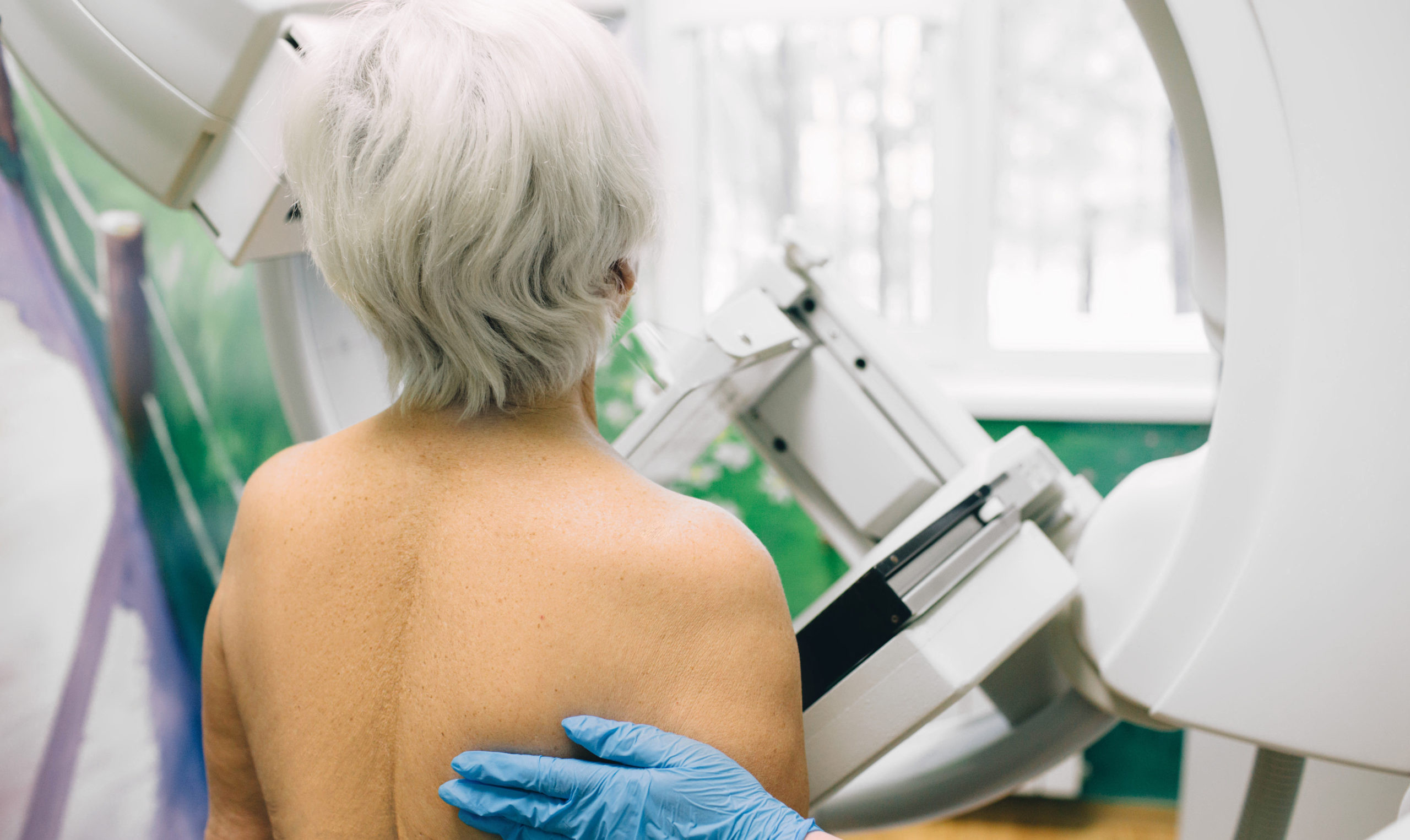
Is it time to give up your annual mammogram?
The question of what age a woman can stop having mammograms does not have a definite answer, but is one each woman must answer based on her circumstances and her feelings about the risks of the procedure versus its benefits.

Take control of rising cholesterol at menopause
Here's what the numbers mean — and strategies to lower your cholesterol if it's too high.
For some women who've had normal cholesterol readings all their lives, that changes at menopause. "Going through menopause often results in lipid and cholesterol changes for the worse," says Dr. Samia Mora, an associate professor of medicine at Harvard Medical School and a specialist in cardiovascular medicine the Brigham and Women's Hospital. Drops in the female hormone, estrogen, are associated with a rise in total cholesterol levels due to higher amounts of low-density lipoprotein (LDL), the "bad" cholesterol, and another blood lipid (fat) known as triglyceride. Over time this can raise heart risks, which is a reason for concern, as cardiovascular disease is the No. 1 cause of death in postmenopausal women, says Dr. Mora.
"So, it's especially important to track the numbers in perimenopause and the early years after menopause, as LDL cholesterol and total cholesterol tend to increase," she says.

Breastfeeding may protect high-risk women from diabetes later in life
Research we're watching
If a woman has gestational diabetes during her pregnancy, she has a higher risk of developing diabetes later. But a study published February 10 in Diabetes Care found that breastfeeding may help reduce that risk.
The study, which used data from the Nurses' Health Study II, found that the longer a woman nursed her infant, the lower her risk of developing diabetes later in life. The study included more than 4,000 women who had gestational diabetes. Of those women, more than 800 developed diabetes within the next 25 years. Those who breastfed for six to 12 months were 9% less likely to develop diabetes, compared with women who didn't breastfeed at all. Women who breastfed for one to two years had a 15% lower risk of developing diabetes, compared with women who didn't breastfeed. And diabetes risk was 27% lower in women who breastfed for more than two years. This provides another reason that doctors may want to encourage women with gestational diabetes to breastfeed whenever possible.

Why am I getting acne after menopause?
Ask the doctors
Q. My skin has been breaking out since I entered menopause. Why is this happening, and what can I do about it?
A. Many women notice changes to their skin at menopause. For some women this means dryness, age spots, or a tendency toward bruising. For others, estrogen levels drop while male hormone levels, such as testosterone, remain the same, which can prompt acne breakouts.

More sexual partners, more cancer?
A study of older adults found that those who had had more sexual partners were more likely to have developed cancer, but that does not mean there is a causal connection, and there are many ways that sexual behavior can affect cancer risk.

U=U: Ending stigma and empowering people living with HIV
People living with HIV can suppress the virus by taking medication daily. If the level of virus in a person’s blood is suppressed successfully, research shows that the virus isn’t passed on to others. U=U means “undetectable equals untransmittable.”

Chemotherapy and hearing loss: Monitoring is essential
One of the possible side effects of chemotherapy that is not as well-known is hearing loss. If you are going to undergo chemotherapy, you should have your hearing tested before and after the course of treatment.
Hip bursitis vs. arthritis: How to tell the difference
Fitness for longevity: Which type matters most?
Ministrokes linked to elevated risk of dementia
Continuous glucose monitors benefit people who don't need insulin
CoQ10: Should you take this popular supplement if you're on a statin?
Microplastics: A hidden health threat?
Oat vs. dairy milk: Nutrition, benefits, and downsides
What is tempeh? Benefits, nutrition, and how to use it
Healing after food poisoning
Whole grains may improve several heart risk factors at once
Free Healthbeat Signup
Get the latest in health news delivered to your inbox!
Sign Up
