

Hip bursitis vs. arthritis: How to tell the difference

Fitness for longevity: Which type matters most?

Ministrokes linked to elevated risk of dementia

Continuous glucose monitors benefit people who don't need insulin

CoQ10: Should you take this popular supplement if you're on a statin?

Microplastics: A hidden health threat?

Oat vs. dairy milk: Nutrition, benefits, and downsides

What is tempeh? Benefits, nutrition, and how to use it

Healing after food poisoning

Whole grains may improve several heart risk factors at once
Breast Cancer Archive
Articles

Menopause and mental health
Shifts in the levels of female hormones can cause temporary mood changes, including symptoms of depression.
The years leading up to menopause and the transition itself can bring changes to your body. But they can also have an effect on your mind, specifically your mental health.
The incidence of depression doubles during this time. Women who have struggled in the past with depression or anxiety might also see a resurgence in symptoms.
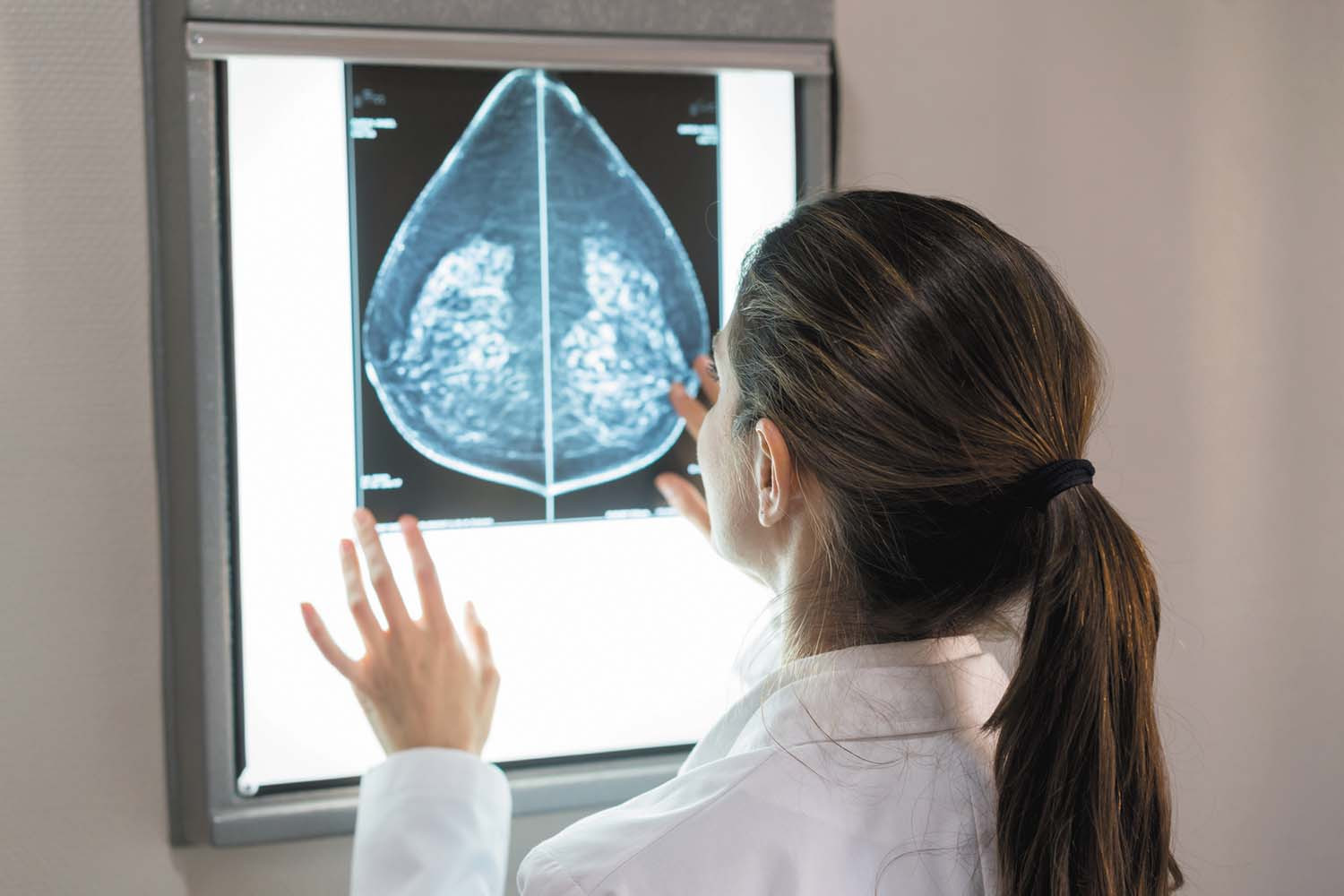
Researchers test new technology for screening dense breasts
Research we're watching
Can a new breast screening technology find more cancers in women with dense breast tissue? A study managed by the American College of Radiology (ACR) Center for Research and Innovation will compare contrast-enhanced spectral mammography (CESM) to other screening technologies used for dense breasts (those that contain a higher proportion of active tissue than fat). It's difficult to find cancers in dense breast tissue using traditional mammography because the active tissue shows up as white areas on a mammogram, just like cancers do, making abnormalities harder to see.
CESM is similar in some ways to traditional mammography, but before having the usual x-ray, the woman is injected with a special iodine-based contrast agent that highlights abnormal areas on the image more clearly. Cancerous tumors typically create new blood vessels when they form, and the contrast agent can reveal that increased blood flow, alerting the radiologist to a potential cancer.

As coronavirus spreads, many questions and some answers
Readers have many questions about the new coronavirus (COVID-19). We have enlisted one of our experts on infectious disease to answer some of them.

Five healthy habits net more healthy years
Following five healthy lifestyle habits has been shown to extend life expectancy. Better still, a recent study suggests the added years are more likely to be free of illness or disease.

Infertility the second time around
If you have a child and wish for more but are struggling with fertility issues, you may have many feelings and concerns. Here are some steps and strategies you may find helpful.

Newer skin cancer treatments improve prognosis for those with cutaneous melanoma
Though only about 1% of skin cancers are melanomas, they are responsible for 90% of skin cancer deaths. Recent advances in treatment options have improved survival rates for melanoma, but it’s still best to take preventive steps to protect your skin.

What’s the beef with red meat?
A recent study suggested that eating red or processed meats won't necessarily harm your health. What is the truth?
The news headlines were everywhere: "It's Okay to Eat Red Meat." The source for this statement was a study published online Oct. 1, 2019, in Annals of Internal Medicine.
An international team of researchers conducted five systematic reviews that looked at the effects of red meat and processed meat on multiple health issues, such as heart disease, cancer, diabetes, and premature death.
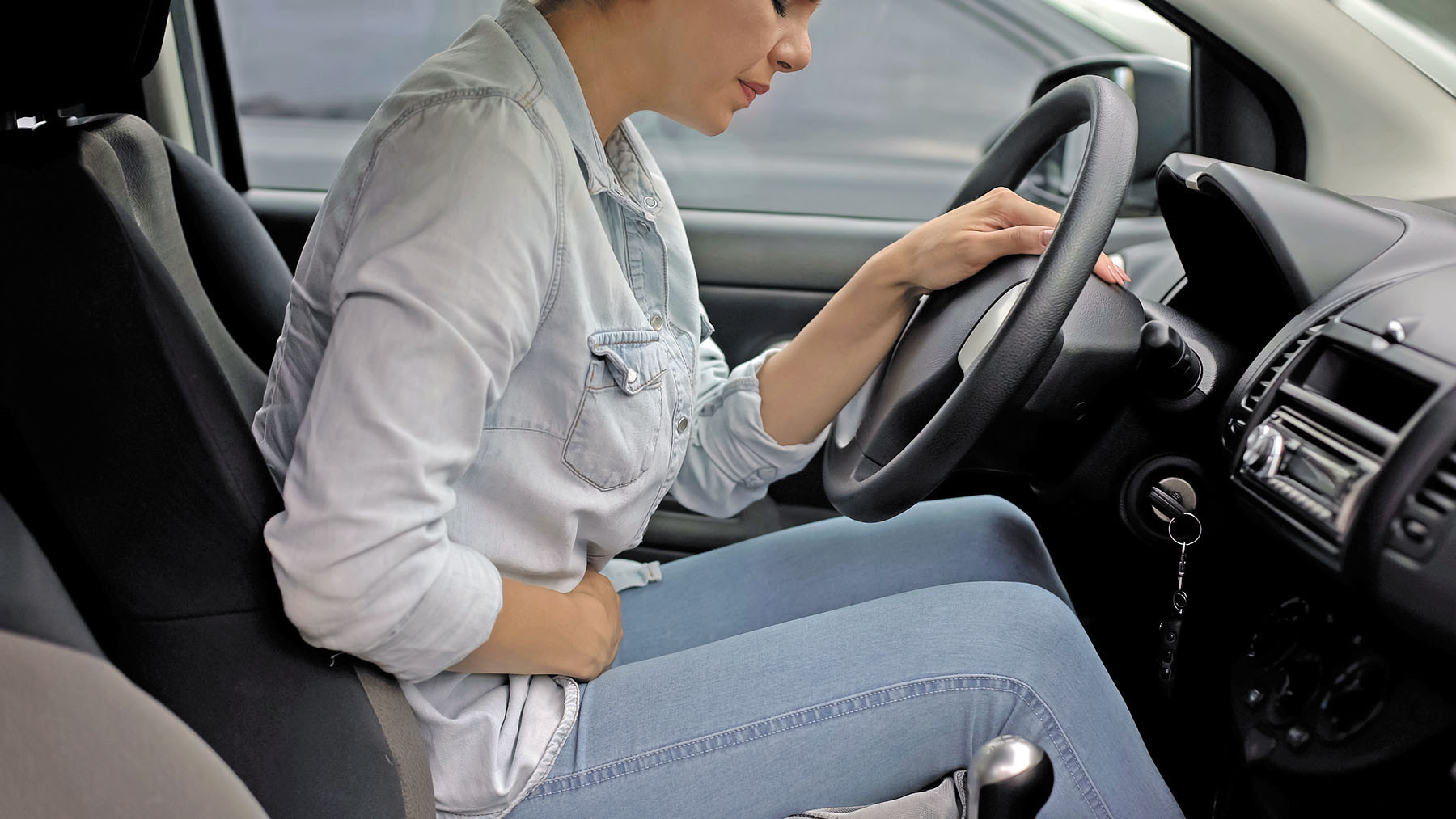
The growing problem of drug-resistant UTIs
Urinary tract infections can be dangerous. Here's how to recognize, treat, and prevent them.
More than 2.8 million antibiotic-resistant infections now occur in the United States each year, according to a CDC report published in November 2019. Among them are a growing number of urinary tract infections (UTIs) that can no longer be treated with the most common antibiotics.
"Antimicrobial-resistant UTIs are on the rise and have been since the early 2000s," says Dr. Lisa Bebell, an instructor in medicine at Harvard Medical School and an infectious diseases specialist at Massachusetts General Hospital. This trend is especially concerning for women because UTIs are so common: one of every two women will have a UTI in her lifetime.

Could your breast implants be making you sick?
Many women are reporting symptoms they believe are associated with their breast implants. Sometimes called breast implant illness, this combination of vague symptoms—such as hair loss, fatigue, anxiety, and depression—is also associated with a number of other conditions, including menopause, thyroid problems, and autoimmune conditions. Researchers are now working with patient advocacy groups to better understand the problem. Experts recommend that women understand the potential risks and benefits of breast implants before having the surgical procedure.

Can you outrun an early death?
Research we're watching
People who run — even in small amounts — are less likely to die during a given period compared with those who don't run, according to an analysis published online Nov. 4, 2019, by the British Journal of Sports Medicine. The benefit appears even among people who run for less than 50 minutes once a week, at speeds below 6 mph.
Researchers began their review of 14 studies, involving more than 200,000 people, in hopes of determining whether running can stave off deaths from heart disease, cancer, and other causes. They also sought to find out how much running people need to do to benefit. The studies tracked participants for periods ranging from five-and-a-half to 35 years. Over the course of these studies, 25,951 of the participants died. When comparing those people to those who lived until the end of the study, the researchers found that people who ran, no matter the amount, were 27% less likely than nonrunners to die from any cause during the study period. Runners also had a 30% lower death rate from cardiovascular disease and a 23% lower death rate from cancer. While running was linked with longer life and less disease in these studies, this doesn't necessarily prove that it was the running that actually caused better health. But the results suggest that lacing up those sneakers and going for a quick jog might improve your health.
Hip bursitis vs. arthritis: How to tell the difference
Fitness for longevity: Which type matters most?
Ministrokes linked to elevated risk of dementia
Continuous glucose monitors benefit people who don't need insulin
CoQ10: Should you take this popular supplement if you're on a statin?
Microplastics: A hidden health threat?
Oat vs. dairy milk: Nutrition, benefits, and downsides
What is tempeh? Benefits, nutrition, and how to use it
Healing after food poisoning
Whole grains may improve several heart risk factors at once
Free Healthbeat Signup
Get the latest in health news delivered to your inbox!
Sign Up
