

Hip bursitis vs. arthritis: How to tell the difference

Fitness for longevity: Which type matters most?

Ministrokes linked to elevated risk of dementia

Continuous glucose monitors benefit people who don't need insulin

CoQ10: Should you take this popular supplement if you're on a statin?

Microplastics: A hidden health threat?

Oat vs. dairy milk: Nutrition, benefits, and downsides

What is tempeh? Benefits, nutrition, and how to use it

Healing after food poisoning

Whole grains may improve several heart risk factors at once
Cancer Archive
Articles

How a healthy gut helps your heart
Following a plant-based eating pattern and cutting back on highly processed foods can help promote a more diverse, healthier microbiome. A healthy gut microbiome may decrease inflammation that promotes heart disease. Most fruits, vegetables, beans, and whole grains are good sources of prebiotic fiber, which is broken down by gut bacteria to create short-chain fatty acids. These fatty acids are linked to lower inflammation and reductions in other heart disease risk factors.

Kidneys, eyes, ears, and more: Why do we have a spare?
The human body has excess capacity — that is, our organs have more reserve than most of us will ever need. Why are we built with this natural redundancy? And which body parts can safely fail or be removed without impairing health?

Rare and often aggressive, Merkel cell cancer is best caught early
Merkel cell cancer is a rare form of skin cancer that often spreads aggressively to other areas of the body. Here's what to know about it, including who is more likely to get it and how you can take steps to help prevent it.

Try this natural remedy to stay regular
Eating two peeled kiwifruits per day may help ease constipation, according to a small randomized trial published in 2023. The effectiveness of eating kiwifruits was slightly greater than that of using a daily fiber supplement such as Metamucil or Fiberall.

Cardiorespiratory fitness may protect men from some cancers
According to a 2023 observational study, greater cardiorespiratory fitness in men was linked to a lower risk of death from colon, lung, or prostate cancer.
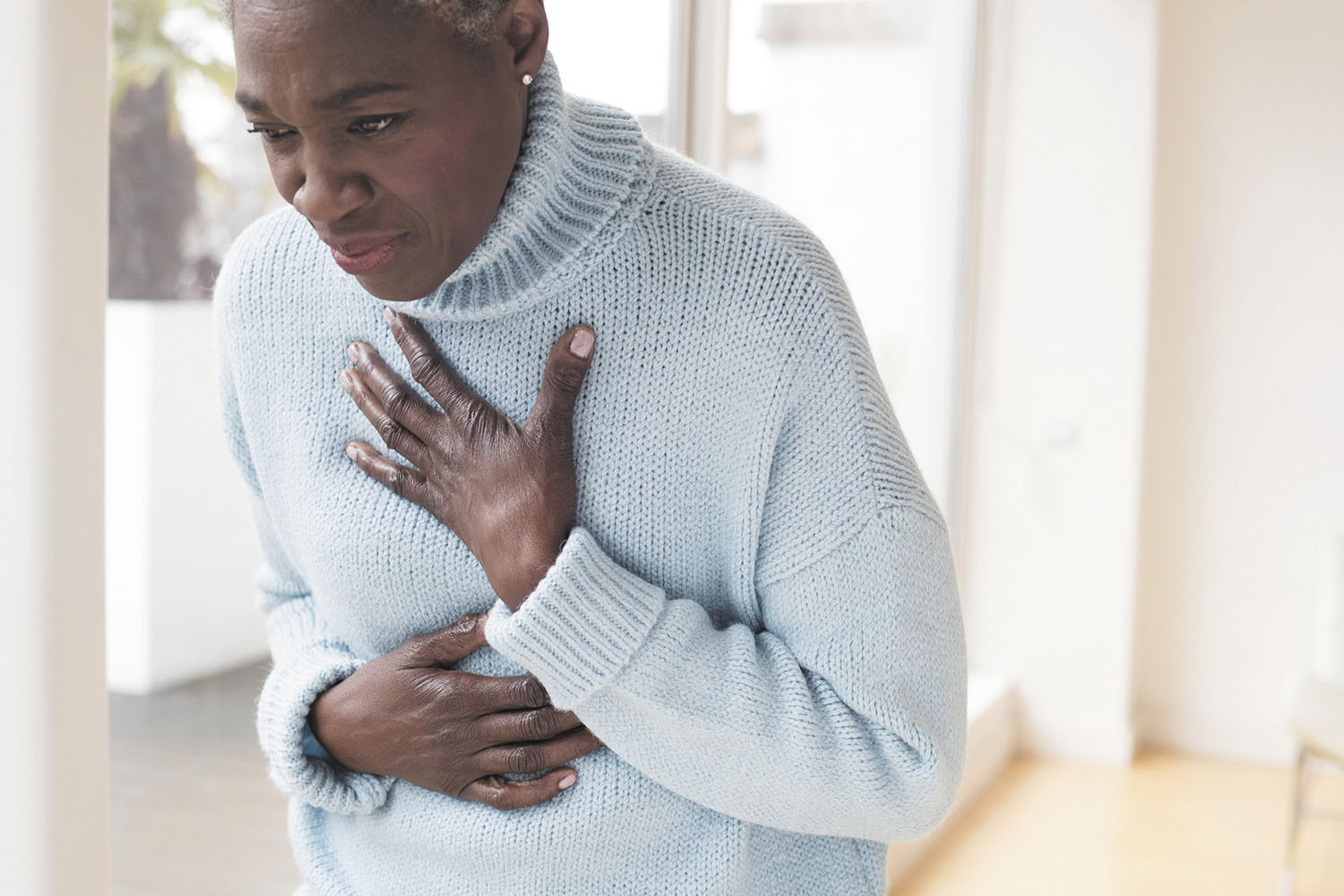
Hormone therapy linked to higher risks of GERD
A 2023 study suggests that women who have used menopausal hormone therapy are significantly more likely to develop gastroesophageal reflux disease (GERD).

The bumpy truth
Skin lumps or bumps occur on or just under the skin. Most are harmless. Aside from basal and squamous cell skin cancers, most other skin lumps are epidermal cysts or lipomas. Other growths include cherry angiomas, dermatofibromas, keloids, and very rarely cancerous tumors called sarcomas. People should seek medical attention for any lump appearing near lymph nodes, which sometimes signals cancer. A doctor should also evaluate growths that grow quickly, bleed, look infected, or feel painful. Most skin lumps or bumps don't need treatment.

When — and how — should you be screened for colon cancer?
In the US population as a whole, deaths from colon cancer have been declining, but in people under 50 that rate has increased. Most major medical organizations recommend screening beginning at age 45 for people at average risk.

7 organs or glands you may do just fine without
Removing tonsils in childhood was once routine care for healthy children, but is no longer recommended. Why are some organs and glands — appendix, tonsils, adenoids and more — considered expendable and why do we have them if they're not needed?

Hip bursitis vs. arthritis: How to tell the difference
Fitness for longevity: Which type matters most?
Ministrokes linked to elevated risk of dementia
Continuous glucose monitors benefit people who don't need insulin
CoQ10: Should you take this popular supplement if you're on a statin?
Microplastics: A hidden health threat?
Oat vs. dairy milk: Nutrition, benefits, and downsides
What is tempeh? Benefits, nutrition, and how to use it
Healing after food poisoning
Whole grains may improve several heart risk factors at once
Free Healthbeat Signup
Get the latest in health news delivered to your inbox!
Sign Up
