

Hip bursitis vs. arthritis: How to tell the difference

Fitness for longevity: Which type matters most?

Ministrokes linked to elevated risk of dementia

Continuous glucose monitors benefit people who don't need insulin

CoQ10: Should you take this popular supplement if you're on a statin?

Microplastics: A hidden health threat?

Oat vs. dairy milk: Nutrition, benefits, and downsides

What is tempeh? Benefits, nutrition, and how to use it

Healing after food poisoning

Whole grains may improve several heart risk factors at once
Cancer Archive
Articles
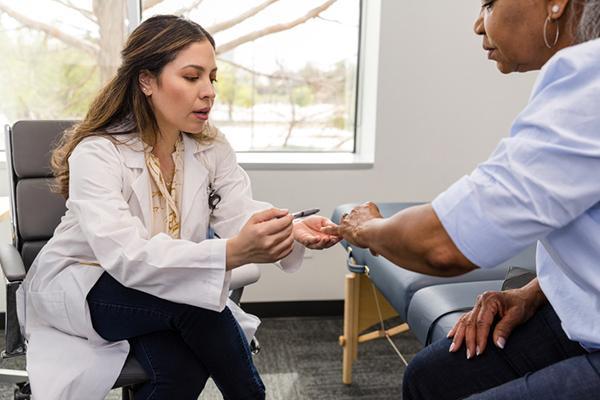
What do dark vertical streaks on fingernails indicate?
Discover what dark vertical streaks on fingernails might mean, from benign nail pigmentation to signs of a more serious skin cancer.

Taking breaks from sitting to move around may lower cancer risk
A 2026 study of more than 91,000 adults found that uninterrupted sitting raised risk for death from cancer. Replacing prolonged sitting with light, moderate, or vigorous activity significantly reduced risk, suggesting frequent movement breaks may help counter harms of sedentary behavior over time.

What's your take on the new sunscreen ingredient?
As of August 2026, sunscreens in the United States will be allowed to use an ingredient called bemotrizinol. It blocks both UVA and UVB rays and it doesn’t appear to be absorbed into the bloodstream, unlike many sunscreen chemicals.

American Cancer Society expands testing recommendations for colorectal cancer screening
Early detection of colorectal cancer saves lives. Now there are more ways than ever to get screened (and fewer excuses not to). American Cancer Society screening guidelines now include colonoscopy, sigmoidoscopy, CT scanning, at-home stool testing, and blood testing.
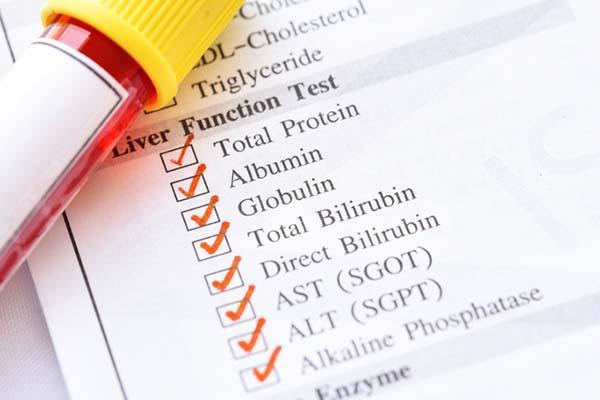
What does a high bilirubin level in my blood test actually mean?
Discover what bilirubin is, why levels rise on blood tests, and how liver, bile ducts, or red blood cells can each play a role in hyperbilirubinemia.
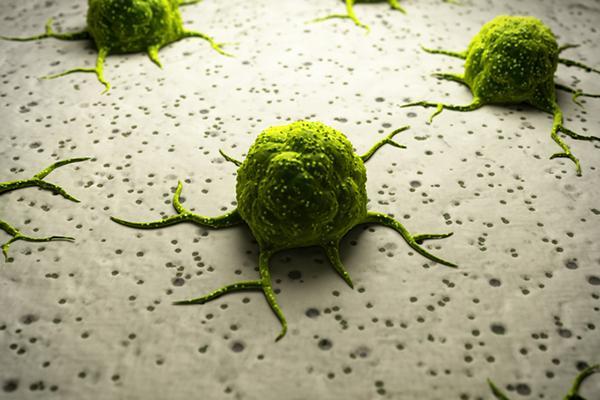
Why does cancer risk increase as we get older?
Aging is the single biggest risk factor for developing cancer. As people get older, DNA damage accumulates in cells, and chronic inflammation and imbalances in gut bacteria become more common. All of these factors may contribute to the age-related increase in cancer cases.

What should you eat after a diverticulitis flare?
Recovering from diverticulitis and unsure about fruits and veggies? See how your diet should change short term and what to focus on long term.
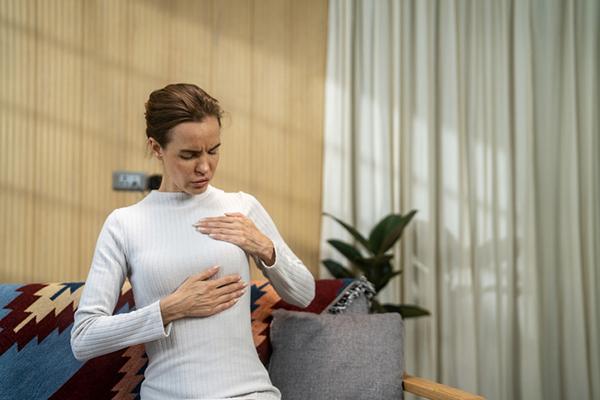
What should you do if you discover a lump in your breast?
A new breast lump can be alarming, but not all require immediate surgery. A doctor will determine the appropriate next steps, which may include medical tests.

Do I really need to avoid nuts, seeds, and popcorn if I have diverticulitis?
Longtime guidance about skipping nuts, seeds, and popcorn after diverticulitis is being challenged. Learn what newer research suggests about your diet.
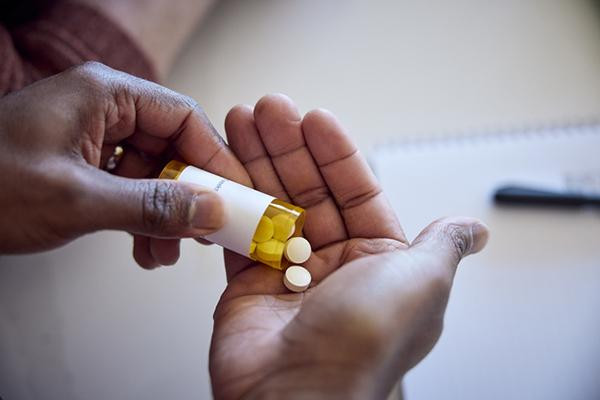
Oral side effects of common medications
Many common medications can affect oral health, causing issues like dry mouth, taste changes, gum swelling, mouth sores, or thrush. Patients should check side effects on medication labels, report persistent symptoms, review medications annually, and keep up with regular dental visits.
Hip bursitis vs. arthritis: How to tell the difference
Fitness for longevity: Which type matters most?
Ministrokes linked to elevated risk of dementia
Continuous glucose monitors benefit people who don't need insulin
CoQ10: Should you take this popular supplement if you're on a statin?
Microplastics: A hidden health threat?
Oat vs. dairy milk: Nutrition, benefits, and downsides
What is tempeh? Benefits, nutrition, and how to use it
Healing after food poisoning
Whole grains may improve several heart risk factors at once
Free Healthbeat Signup
Get the latest in health news delivered to your inbox!
Sign Up
