

Hip bursitis vs. arthritis: How to tell the difference

Fitness for longevity: Which type matters most?

Ministrokes linked to elevated risk of dementia

Continuous glucose monitors benefit people who don't need insulin

CoQ10: Should you take this popular supplement if you're on a statin?

Microplastics: A hidden health threat?

Oat vs. dairy milk: Nutrition, benefits, and downsides

What is tempeh? Benefits, nutrition, and how to use it

Healing after food poisoning

Whole grains may improve several heart risk factors at once
Cancer Archive
Articles

Do I still need a colonoscopy?
A 2022 study led to questions regarding whether colonoscopy is the best strategy to reduce the risk of death from colon cancer. But overwhelming evidence supports the procedure for lowering the risk of colon cancer and related death, and experts continue to recommend people at average risk get at least one colonoscopy beginning at age 45.

When cancer treatment affects the heart
Side effects from both older and newer cancer therapies can affect the heart and blood vessels, possibly causing serious, sometimes life-threatening complications. People diagnosed with any type of cancer should ask their doctor whether their planned treatment might lead to cardiovascular problems. Those ages 65 and older and anyone with risk factors for heart disease (such as high blood pressure or diabetes) may want to request a referral to a cardio-oncologist. These specialists focus on preventing and managing cardiovascular problems in people who are undergoing (or have completed) treatment for cancer.

You don't say? Facts about flatulence
It's normal to accumulate and release gas; in fact, the average person releases two liters of gas per day. Certain foods can increase gas production since they take longer to digest.
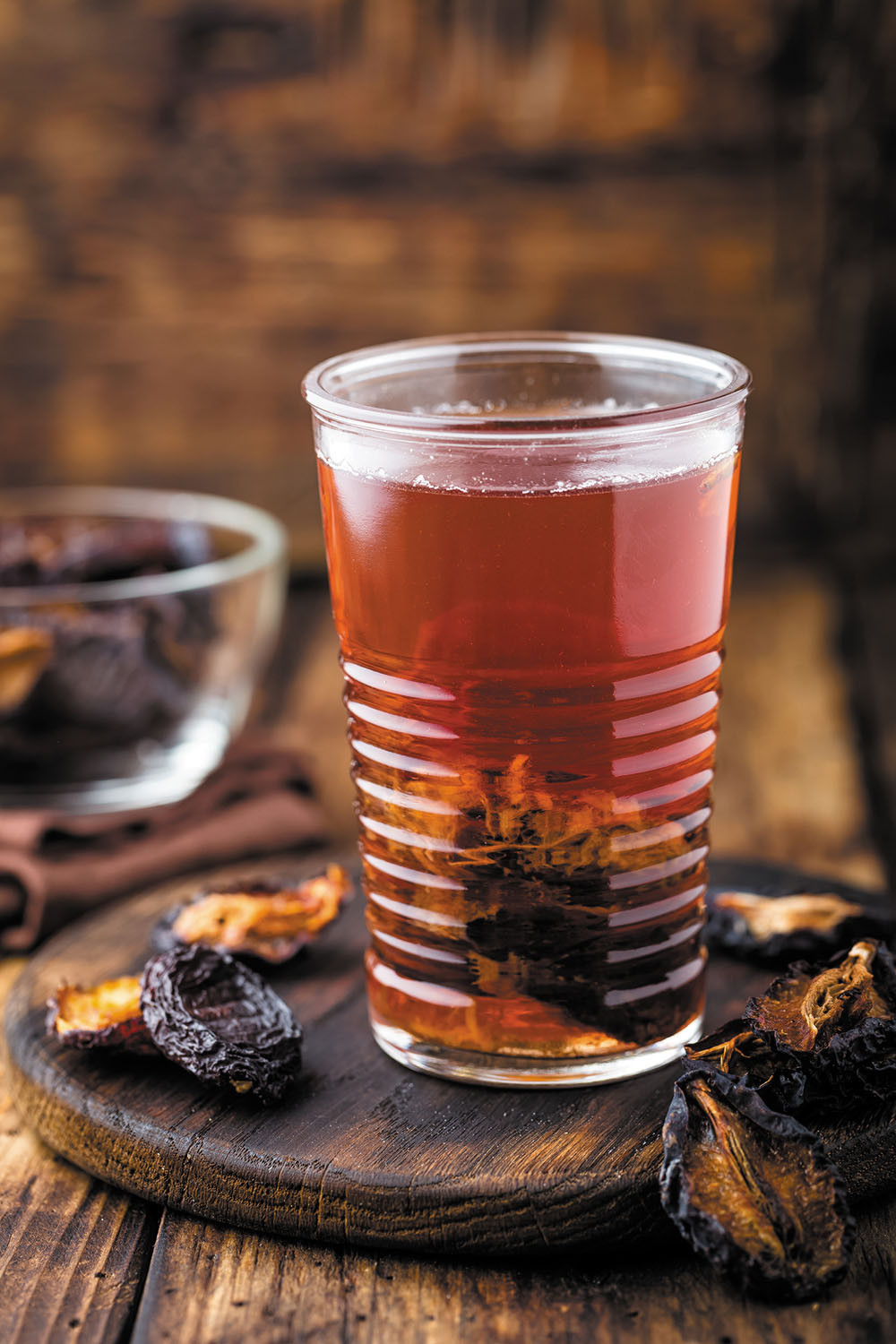
Prune juice for constipation? A new study says yes
Drinking about one cup of prune juice daily may help relieve chronic constipation, according to a 2022 study.
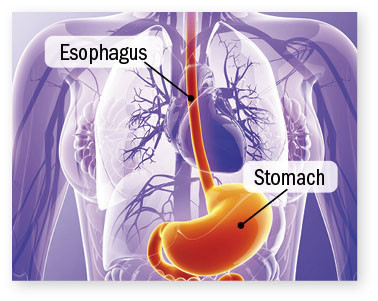
Heart disease and heartburn: What's the overlap?
Heartburn can cause chest pain that may be mistaken for a heart attack, and vice versa. Heartburn causes more a burning sensation and is more likely to occur after a large meal. Heart attacks are often described as a feeling of tightness or pressure and are more likely to occur after physical activity or stress. People who aren't sure about their symptoms should get to an emergency room for an evaluation as soon as possible.

A lethal cancer's long reach
While ovarian cancer is not always inherited, family history is the top risk factor for the disease, which is diagnosed in 20,000 American women and kills 13,000 annually. Symptoms, such as bloating, pelvic pain, bowel or bladder habit changes, and unusual vaginal discharge or bleeding, are often vague and subtle until the disease is advanced, making it hard to detect and cure. No standard screening test is available for ovarian cancer. Women with symptoms can ask for a pelvic ultrasound. Women with a family history should seek genetic counseling and testing.

Prolonged stress may increase the risk of death from cancer
People exposed to long-term stress have a higher risk of dying from cancer, according to a 2022 study. The connection may be related to high levels of the stress hormone cortisol.

A breath-robbing disease that's hard on the heart
About one in eight adults over age 45 has chronic obstructive pulmonary disease (COPD). COPD refers to several lung-damaging conditions, particularly emphysema and chronic bronchitis, that cause coughing and breathlessness. But many people don't know much about COPD, which is largely caused by cigarette smoking and may be mistaken for heart disease. Anyone with symptoms of COPD should be evaluated by a physician. People who have heart disease who have ever smoked or lived with a smoker should be tested for COPD.

Do fermented foods live up to the hype?
Fermented foods and drinks such as kimchi, kombucha, and tempeh are increasingly popular, adding to mainstays such as yogurt, sauerkraut, and beer. Heat and bright lights during manufacturing can destroy some beneficial probiotics. Fermented products can ease digestion, dampen inflammation, boost nutrient absorption, and battle harmful bacteria. People should look for product labels that say "live and active cultures" and avoid shelf-stable versions, which don't contain probiotics.

Eating disorders in midlife
By age 40, one in five women has dealt with an eating disorder, twice the proportion of women known to be affected by age 21. Risks for anorexia, bulimia, and binge eating can rise at midlife due to job stressors, an empty nest, and dating again after divorce or widowhood. Health effects can include bone loss, heart problems, lung conditions, gastrointestinal issues, diabetes, and skin breakdown. Signs of an eating disorder include dramatic weight fluctuations, excessive exercising, and preoccupation with weight, calories, and body size and shape.
Hip bursitis vs. arthritis: How to tell the difference
Fitness for longevity: Which type matters most?
Ministrokes linked to elevated risk of dementia
Continuous glucose monitors benefit people who don't need insulin
CoQ10: Should you take this popular supplement if you're on a statin?
Microplastics: A hidden health threat?
Oat vs. dairy milk: Nutrition, benefits, and downsides
What is tempeh? Benefits, nutrition, and how to use it
Healing after food poisoning
Whole grains may improve several heart risk factors at once
Free Healthbeat Signup
Get the latest in health news delivered to your inbox!
Sign Up
