

Hip bursitis vs. arthritis: How to tell the difference

Fitness for longevity: Which type matters most?

Ministrokes linked to elevated risk of dementia

Continuous glucose monitors benefit people who don't need insulin

CoQ10: Should you take this popular supplement if you're on a statin?

Microplastics: A hidden health threat?

Oat vs. dairy milk: Nutrition, benefits, and downsides

What is tempeh? Benefits, nutrition, and how to use it

Healing after food poisoning

Whole grains may improve several heart risk factors at once
Cancer Archive
Articles


By the way, doctor: Does long-term use of Prilosec cause stomach cancer?
Q. I've been taking Prilosec for many years for GERD. Recently, I once read that long-term use of proton pump inhibitors could increase the risk of stomach cancer. Your opinion?
A. Prilosec is a pump inhibitor (PPI). These drugs have revolutionized the treatment of gastroesophageal reflux disease (GERD), in which stomach acid flows back into the esophagus and causes heartburn.
Breast disorders in men
The male breast is much smaller than its female counterpart, and it cannot produce milk. Because of this smaller size and simpler structure, breast disease is much less common in men than women. Still, men can develop important breast problems, both benign and malignant. Early detection is the key to a successful outcome, so every man should understand the basic elements of male breast disease.
Jogger's nippleIrritation of the nipple is more common than enlargement of the breast itself. Pain, redness, and even bleeding of the male nipple are fairly common complications of intense, prolonged exercise — hence the common names "jogger's" and "marathoner's" nipple. The cause is not running itself but the mechanical irritation of the runner's shirt rubbing up and down against his chest, especially in hot, humid weather. You don't have to give up running to cure jogger's nipple. Instead, apply some petroleum jelly to your nipples before you run. Plastic Band-Aids are even better; round "spots" are particularly handy. Or simply run without a shirt when it's hot or humid. |

By the way, doctor: What can I do about excessive belching and feeling full?
Q. I belch a lot and get a feeling of fullness in the upper abdomen. Is excessive belching a common condition? What are the causes and cures? I would prefer natural remedies.
A. Belching and feeling full are normal, everyday experiences. So, what makes them "excessive"? There's no precise definition. But if you start belching or feeling full more often than you have in the past, or if belching and fullness are causing you distress and discomfort, then I'd consider that excessive belching and a problem that you should try to solve.

Newer breast screening technology may spot more cancers
Digital breast tomosynthesis may also reduce the number of unnecessary and nerve-racking callbacks for additional testing.
If you're in your 40s, you may want to consider switching from digital mammography to digital breast tomosynthesis (DBT) for your next breast cancer screening, say the authors of a study published online February 28 by JAMA Oncology.
A review of more than 170,000 screening mammograms using the two technologies determined that DBT — sometimes referred to as 3D mammography — did a better job at accurately detecting cancers in women of all ages. The advantages were most pronounced for women in their 40s. DBT was also better at finding cancers in women with high breast density, which can make cancers more difficult to spot on screening exams. High density indicates a larger proportion of active tissue in the breast and is a risk factor for breast cancer.

What does heartburn feel like?
Ask the doctor
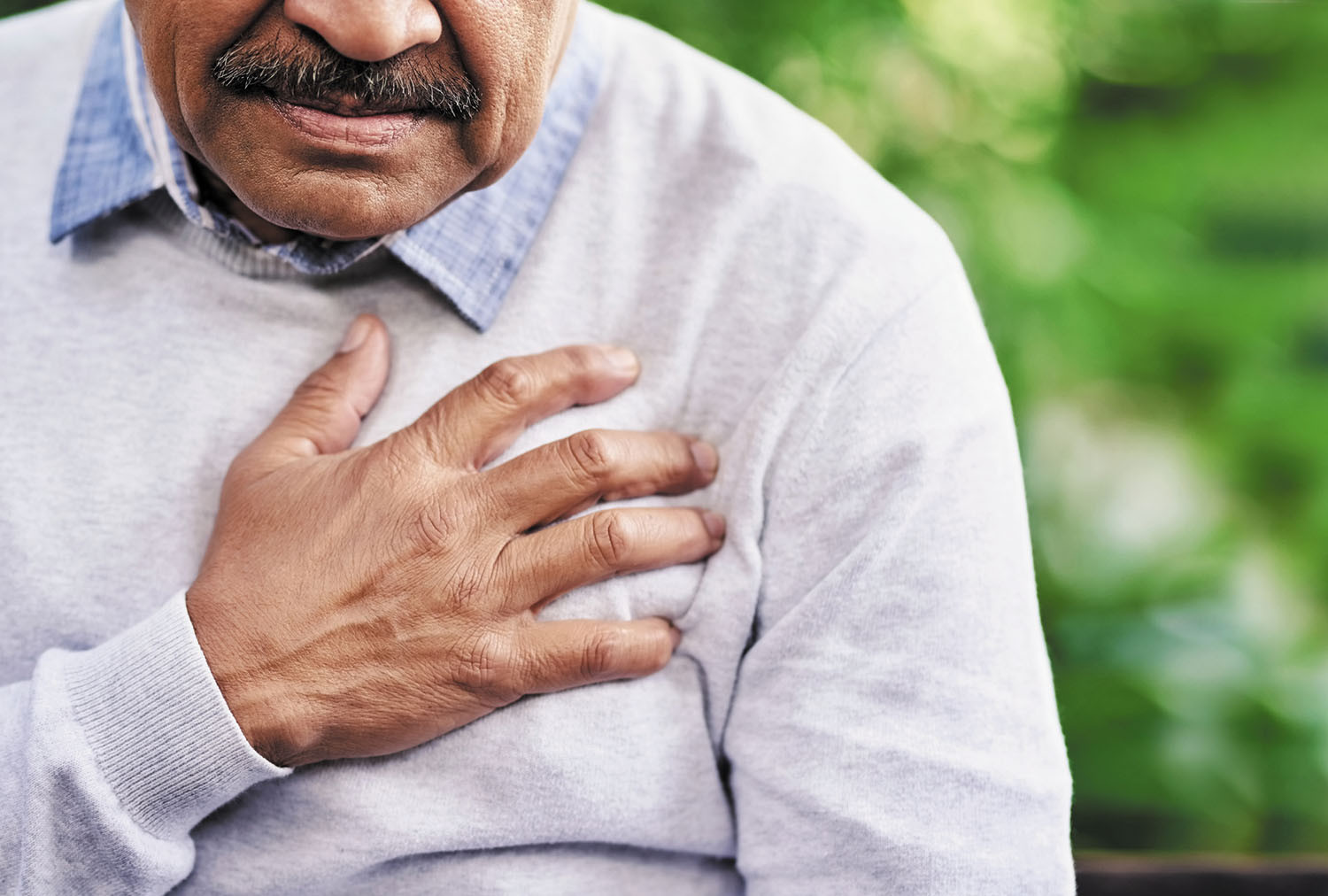
Q. I think I have heartburn, but I hear that what feels like heartburn is sometimes a more serious condition. How do I know if I have heartburn?
A. You've asked an important question. "Heartburn" describes symptoms caused by the reflux of stomach acid up into the esophagus (the tube that carries food from the mouth down to the stomach). It is a burning sensation. You can feel it high in the abdomen, just below the bottom of the breastbone, or underneath the middle of the breastbone in the chest. In other words, despite the word "heart" in the word "heartburn," real heartburn comes not from the heart, but from the stomach and esophagus.

Eating more ultra-processed foods may shorten life span
In the journals
Need another reason to monitor your intake of ultra-processed foods? Cutting down on your amounts could help you live longer.
In an observational study published online Feb. 11, 2019, by JAMA Internal Medicine, almost 45,000 adults ages 45 and older completed several dietary assessments over a two-year period. On average, ultra-processed foods made up about 15% of their daily diet as measured in grams.
Does endometriosis increase cancer risk?
Ask the doctors
Q. I have endometriosis, and I recently heard that it might increase my risk of certain cancers. Is this true?
A. Researchers have linked endometriosis, an often painful condition that causes endometrial-like tissue to grow outside the uterus, to a higher risk of two types of ovarian cancer — endometrioid and clear-cell subtypes. That said, even though your risk of these cancers may be higher than that of the average woman who doesn't have endometriosis, your chances of developing one of these cancers is still very small — less than 1%.
Hip bursitis vs. arthritis: How to tell the difference
Fitness for longevity: Which type matters most?
Ministrokes linked to elevated risk of dementia
Continuous glucose monitors benefit people who don't need insulin
CoQ10: Should you take this popular supplement if you're on a statin?
Microplastics: A hidden health threat?
Oat vs. dairy milk: Nutrition, benefits, and downsides
What is tempeh? Benefits, nutrition, and how to use it
Healing after food poisoning
Whole grains may improve several heart risk factors at once
Free Healthbeat Signup
Get the latest in health news delivered to your inbox!
Sign Up
