

Hip bursitis vs. arthritis: How to tell the difference

Fitness for longevity: Which type matters most?

Ministrokes linked to elevated risk of dementia

Continuous glucose monitors benefit people who don't need insulin

CoQ10: Should you take this popular supplement if you're on a statin?

Microplastics: A hidden health threat?

Oat vs. dairy milk: Nutrition, benefits, and downsides

What is tempeh? Benefits, nutrition, and how to use it

Healing after food poisoning

Whole grains may improve several heart risk factors at once
Caregiving Archive
Articles

A tale of two epidemics: When COVID-19 and opioid addiction collide
In our inner cities, the COVID-19 pandemic comes on top of another crisis that has plagued our country for years: the opioid epidemic. The combined effects of these two events are immense, and highlight already-existing problems with our society and our health care system.
6 self-care steps for a pandemic — always important, now essential
You’ve probably heard more about self-care lately than usual. Because our current situation is so abnormal and stressful, looking after yourself is even more important, and no one is more aware of this than doctors and other medical personnel.

Always worried about your health? You may be dealing with health anxiety disorder
Health anxiety can interfere with your life, but it's highly treatable.
Image: © XiXinXing/Getty Images
You spend hours on the Internet researching health information. When you get a scratchy throat you automatically think cancer — not a cold. And even when medical tests come back showing that you're healthy, it doesn't make you feel better. In the back of your mind you still feel like something is wrong.
If this sounds like you or a loved one, it may be health anxiety.

Keeping teens home and away from friends during COVID-19
It may be difficult to impress on your teenage children the importance of staying home and not socializing with their friends during this pandemic, but as parents, you are going to have to convince them. Here are some helpful tools and ideas.

Not a staycation: Isolating at home affects our mental health (and what to do)
As the COVID-19 crisis keeps us at home for longer and longer, it’s important to acknowledge that this situation is having negative effects on everyone’s mental health. Here’s how parents and families can take care of themselves in ways that go beyond normal self-care strategies.

What to do about the heartburn medication recall
Some drugs that contain ranitidine (best known as Zantac) have been found by the FDA to have unacceptable amounts of N-nitrosodimethylamine (NDMA), a possible cancer-causing chemical (which also triggered recalls of certain lots of the blood pressure drugs called angiotensin-receptor blockers).
On April 1, 2020, the FDA requested that all forms of ranitidine (Zantac, generic versions), including prescription and over-the-counter products, be removed from the market. They may contain unacceptable levels of a potential cancer-causing substance known as NDMA, or N-Nitrosodimethylamine. In some samples tested by the FDA, the impurity appears to increase over time, especially when stored at higher temperatures. So far, tests of other acid blockers do not show this potential increased cancer risk.

Older adults and medical marijuana: Reduced stigma and increased use
Cannabis use among older adults has been steadily increasing, due to lessening stigma and increased interest in using medical marijuana. But there are specific concerns for older people, so anyone considering this option should have a conversation with their doctor weighing the benefits and risks.
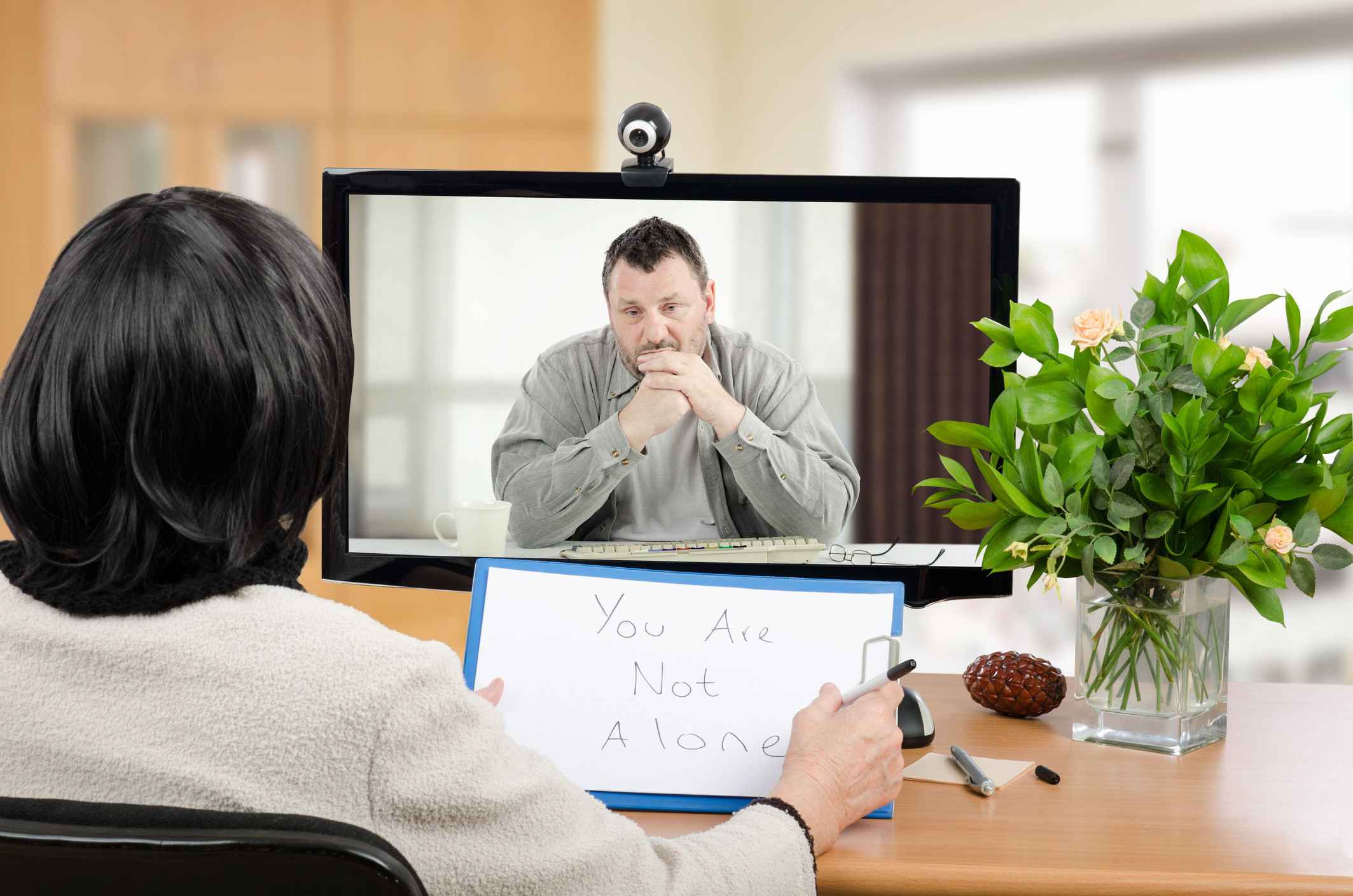
Recovering from addiction during a time of uncertainty and social distancing
Because the very nature of recovery support involves face-to-face interaction, whether in support group meetings or dispensing medication, it is at odds with the need for social distancing during the COVID-19 crisis, creating barriers to receiving support and maintaining recovery.

Healthy habits mean more disease-free years
News briefs
You've heard (in these pages, and others) that a healthy lifestyle can stave off chronic disease. But just how many extra disease-free years might you get from that healthy lifestyle? A lot, suggests an observational Harvard-led study published online Jan. 8, 2020, by The BMJ. Researchers evaluated more than 30 years' worth of health data from 111,000 people who were free of cancer, diabetes, and cardiovascular disease at age 50. Compared with those who didn't follow any healthy lifestyle habits, those who followed four or five healthy habits had an additional decade of disease-free living. The elements of a healthy lifestyle will come as no surprise: don't smoke, limit alcohol intake, eat a healthy diet, maintain a healthy weight, and exercise at least 30 minutes per day. The surprise is just how many additional disease-free years a healthy lifestyle can give you.
Image: © Ridofranz/Getty Images
Hip bursitis vs. arthritis: How to tell the difference
Fitness for longevity: Which type matters most?
Ministrokes linked to elevated risk of dementia
Continuous glucose monitors benefit people who don't need insulin
CoQ10: Should you take this popular supplement if you're on a statin?
Microplastics: A hidden health threat?
Oat vs. dairy milk: Nutrition, benefits, and downsides
What is tempeh? Benefits, nutrition, and how to use it
Healing after food poisoning
Whole grains may improve several heart risk factors at once
Free Healthbeat Signup
Get the latest in health news delivered to your inbox!
Sign Up
