

Hip bursitis vs. arthritis: How to tell the difference

Fitness for longevity: Which type matters most?

Ministrokes linked to elevated risk of dementia

Continuous glucose monitors benefit people who don't need insulin

CoQ10: Should you take this popular supplement if you're on a statin?

Microplastics: A hidden health threat?

Oat vs. dairy milk: Nutrition, benefits, and downsides

What is tempeh? Benefits, nutrition, and how to use it

Healing after food poisoning

Whole grains may improve several heart risk factors at once
Caregiving Archive
Articles

Is intermittent fasting safe for older adults?
Learn the risks before diving into this experimental eating style.
Intermittent fasting is a popular eating strategy being studied in labs and practiced in kitchens across America. And it's more than a fad. Restricting your calories or mealtimes may have the potential for many benefits, such as weight loss and reduced risk of various diseases. We don't have much evidence, however, about intermittent fasting's effect on the health of older adults.
What is intermittent fasting?
Intermittent fasting restricts when or how much you eat — and sometimes both. There are several approaches.

Try these stretches before you get out of bed
Stretching before one gets out of bed has many benefits. It can release the body’s "feel good" chemicals, lubricate the joints, and help people maintain their range of motion. Before stretching, one should move the muscles a little by flexing the joints. This will help get blood flowing to the muscles and make them more amenable to stretching. Any stretch done in bed should be hold for 30 to 60 seconds if possible, without bouncing.

Too early to get up, too late to get back to sleep
Sleep-maintenance insomnia common complaint among women at midlife
You wake up and look at the clock: it's 3 a.m. You tell yourself you've got to get back to sleep, but thoughts about yesterday's troubles, the coming day's challenges, and all those "must-do's" race through your mind. You toss and turn and worry about not getting enough sleep. Maybe you doze off for an hour or so, but when the alarm clock gets you up for the day, you're far from rested.
Insomnia — inability to get the sleep you need to wake up refreshed — is the most common sleep complaint in the United States. It often takes the form of sleep-maintenance insomnia — that is, difficulty staying asleep, and in particular, waking too early and struggling to get back to sleep. Like difficulty falling asleep at the beginning of the night, called sleep-onset insomnia, sleep-maintenance insomnia is more common in women than in men.

When patients suddenly become confused
Hospital delirium is common and often goes unrecognized
When Mary, age 84, was hospitalized for a hip replacement, everything went well until a complication landed her in the intensive care unit (ICU) and she began behaving oddly. She thought she was in a hotel, reported that a cartoon character had died in the bed next to hers, struggled at night to escape nonexistent intruders, and complained that the staff was ignoring the rats infesting her room. After a psychiatric consult, Mary was given medication to calm her and help her sleep, and eventually she started acting more like her old self.
"We stayed with her day and night, and the delirium cleared once she was back in a regular room. Now we can laugh about it, but she remembers little about those weeks," says her daughter-in-law.

Coping with the coronavirus pandemic for people with anxiety disorders
The coronavirus pandemic causing COVID-19 understandably makes most people feel anxious. Coping with the challenges is even more difficult for the many people who have a pre-existing anxiety disorder.

Apps to keep us connected in a time of social distancing
The challenge of being isolated from loved ones and friends can be eased by using any of several different apps that enable various types of communication, including video calls and messages.

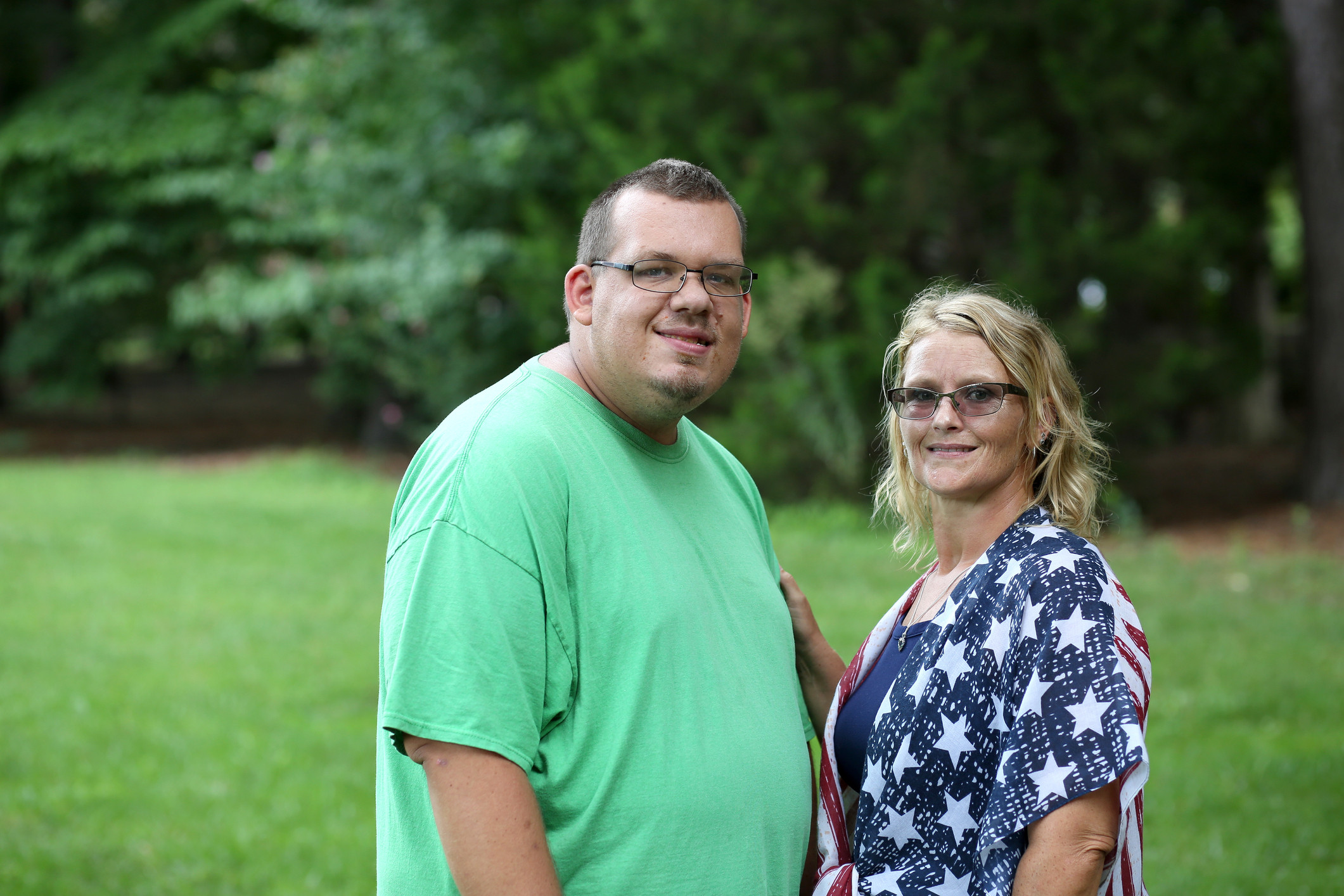
Opportunities for growth: Transitions for youth with autism spectrum disorder
For young people with autism spectrum disorder, the transition from adolescence to adulthood is marked by changes in many areas of their lives. Healthcare providers and caregivers can make this transition smoother and help their patients meet these challenges.


How to not practice emotional distancing during social distancing
While COVID-19 brings normal life to a temporary halt as we practice social distancing, it helps to double-down on deepening social bonds and practicing kindness and gratitude, not emotional distancing.
Hip bursitis vs. arthritis: How to tell the difference
Fitness for longevity: Which type matters most?
Ministrokes linked to elevated risk of dementia
Continuous glucose monitors benefit people who don't need insulin
CoQ10: Should you take this popular supplement if you're on a statin?
Microplastics: A hidden health threat?
Oat vs. dairy milk: Nutrition, benefits, and downsides
What is tempeh? Benefits, nutrition, and how to use it
Healing after food poisoning
Whole grains may improve several heart risk factors at once
Free Healthbeat Signup
Get the latest in health news delivered to your inbox!
Sign Up
