

Hip bursitis vs. arthritis: How to tell the difference

Fitness for longevity: Which type matters most?

Ministrokes linked to elevated risk of dementia

Continuous glucose monitors benefit people who don't need insulin

CoQ10: Should you take this popular supplement if you're on a statin?

Microplastics: A hidden health threat?

Oat vs. dairy milk: Nutrition, benefits, and downsides

What is tempeh? Benefits, nutrition, and how to use it

Healing after food poisoning

Whole grains may improve several heart risk factors at once
Caregiving Archive
Articles
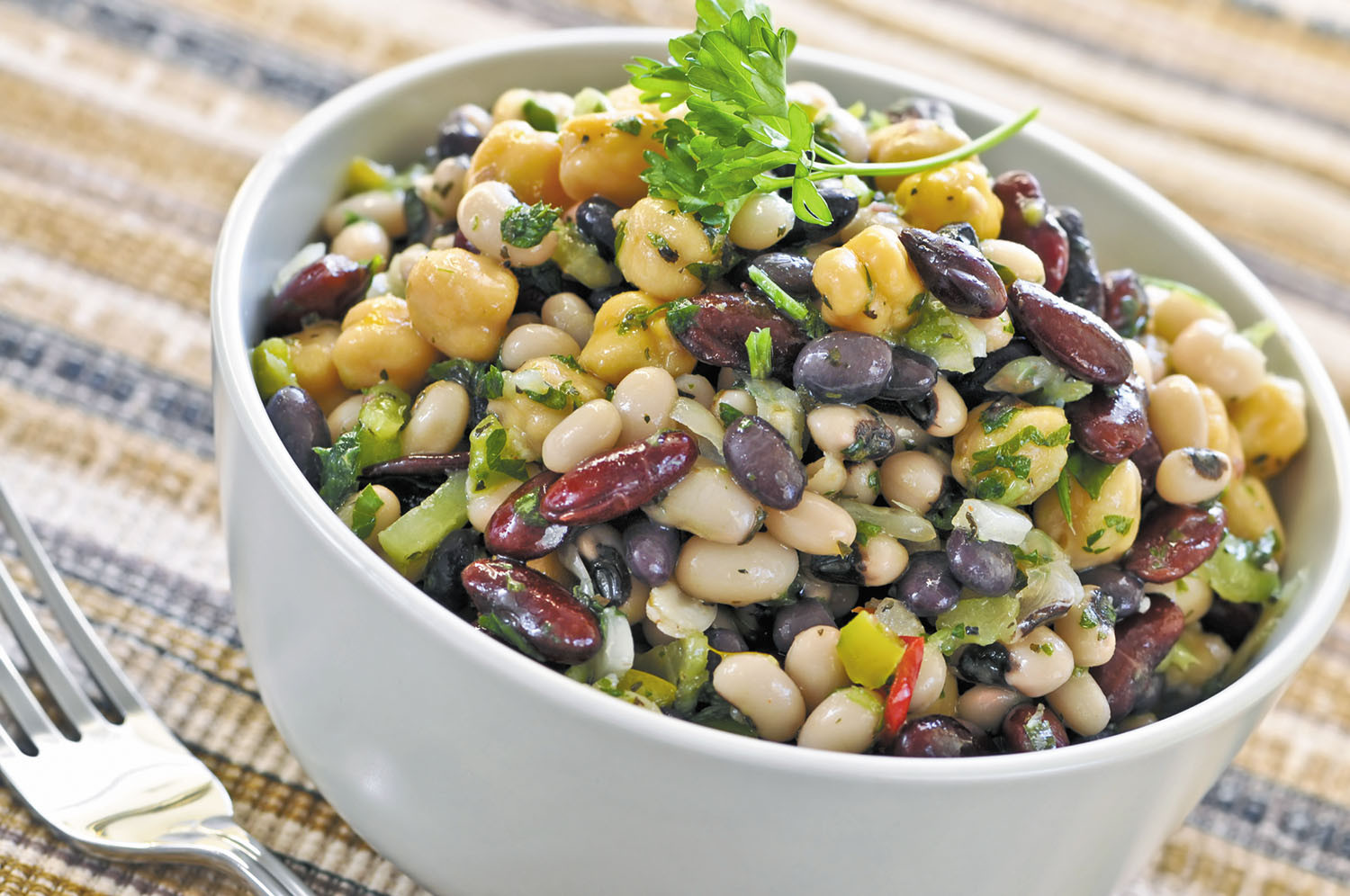
Fiber linked to lower risk for chronic disease and early death
News briefs
Are you eating enough fiber each day? The recommended dietary fiber intake in the United States is 25 grams per day for women (about three half-cup servings of legumes) and 38 grams per day for men. But most people eat only half of that. Now a study commissioned by the World Health Organization, published online Jan. 10, 2019, by The Lancet, offers more evidence about why fiber is an important player in good health. Researchers combed through more than 240 studies and clinical trials and found that people who ate the most fiber-rich foods had the lowest risks for dying or developing chronic disease during the studies, compared with people who ate the least amount of fiber-rich foods. How much did the risks fall? For every 8-gram increase in dietary fiber eaten each day, the total number of deaths and cases of heart disease, diabetes, and colorectal cancer decreased by 5% to 27%. The authors say that eating 25 to 29 grams of fiber per day is adequate, but eating more than 30 grams per day might offer even more protection.
Image: © Elenathewise/Getty Images

A risky combination: Healthy weight but unhealthy activity level
News briefs
Many people think the only reason for regular exercise is that it helps you maintain a healthy weight. Not true. A sedentary lifestyle can cancel the potential heart benefits of weight control, according to a study published online Dec. 4, 2018, by the American Journal of Cardiology. Researchers looked at five years' worth of health survey responses and weight calculations from thousands of overweight and normal-weight people ages 40 to 79 who'd never had heart disease. Scientists noted the participants' amount of abdominal fat, waist size, and self-reported amounts of physical activity, then calculated everyone's cardiovascular disease risk. The results: 30% of sedentary people with a normal weight had about the same risk for a heart attack or stroke as people who were overweight. Sedentary adults whose weight was normal also had higher levels of belly fat, shortness of breath upon exertion, and an unhealthy waist circumference compared with normal-weight adults who exercised regularly. However, people with a normal weight who exercised at least 150 minutes per week were 58% less likely to have a heart attack than those in the study who were overweight.
Image: Halfpoint/iStock
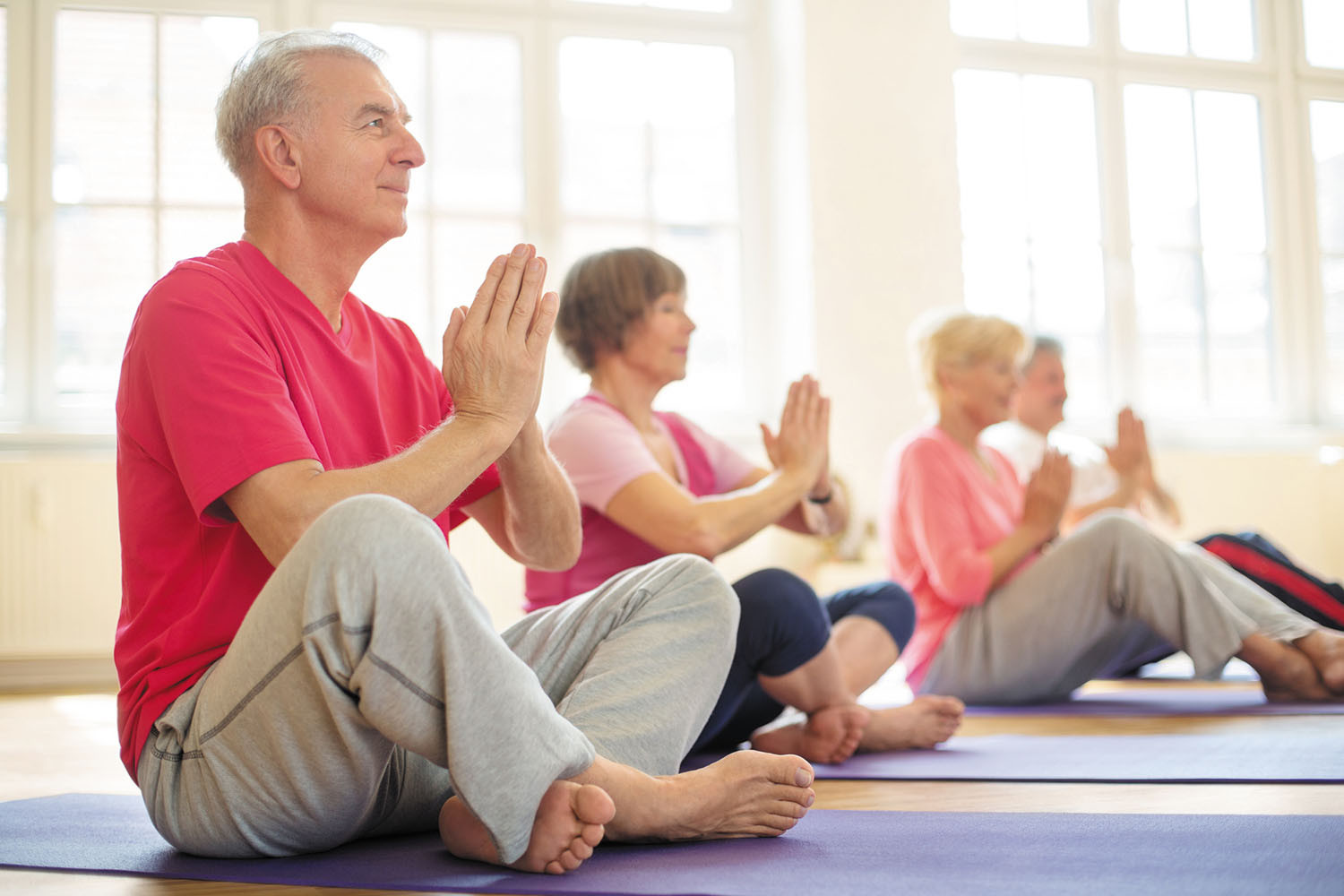
How yoga may enhance heart health
In addition to boosting fitness and easing stress, yoga may also help you embrace a healthier lifestyle.
Many people think of yoga mainly as an activity that promotes flexibility and balance. But this ancient tradition also includes breathing exercises, relaxation, and meditation. Together, these practices can lead to measurable improvements in factors connected with cardiovascular health, such as lower blood pressure, better sleep, and less artery-damaging inflammation.
"There are four distinct but interconnected areas in which yoga has specific benefits, not just for heart disease but any disease," says yoga researcher and neuroscientist Dr. Sat Bir Singh Khalsa, assistant professor of medicine at Harvard Medical School. Following are summaries of the four areas.

The buzz about caffeine and health
What the latest science says about caffeine's influence on your heart, memory, sex life, and exercise performance.
Americans are jolted with caffeine. On average, about 80% of adults take some form of caffeine every day, according to the FDA, usually from coffee, tea, soda, or energy drinks.
But does all that caffeine have any effect on your health — either good or bad? "While caffeine can give you a temporary mental and physical boost, its impact depends on how much you consume and the source," says Dr. Stephen Juraschek, an internal medicine specialist at Harvard-affiliated Beth Israel Deaconess Medical Center.

The mental side of recovery
Dealing with the emotional effects from a physical setback can be a challenge. These three strategies can help.
The physical repercussions of a major health issue, like surgery, an injury, or a heart attack, are tough enough without having to also confront the stress, anxiety, and depression that often accompanies it. Yet managing your mental health is just as important as your physical health when it comes to making a full recovery.
"There is no question that your state of mind can dictate how quickly you can return from a physical setback," says Dr. Jeff Huffman, director of the cardiac psychiatry research program at Harvard-affiliated Massachusetts General Hospital.
No time to exercise? Then take five
You can do an all-around workout in just five minutes if you focus on intensity and target the main muscle groups.
Growing evidence continues to show that high-intensity interval training (HIIT) offers similar — or in some cases even superior — results compared with longer, lower-intensity workouts. With HIIT, you exercise for a short burst at near-maximum effort followed by a brief rest period, and then you continue to repeat the cycle over the next 10 to 15 minutes.
Small workouts, big gains
The main advantage to HIIT is that it takes less time than the traditional workout of 20 to 30 minutes or longer.

Put your best foot forward
Here's what you can do about the three most common foot issues related to aging.
When our feet hurt, we hurt all over. That saying is often attributed to the Greek philosopher Socrates, and it's as relevant today as it was more than 2,500 years ago.
"Our feet are our vehicle to an active lifestyle," says Dr. Christopher DiGiovanni, chief of the Foot and Ankle Service at Harvard-affiliated Massachusetts General Hospital and Newton Wellesley Hospital. "If your feet are not sound and healthy, it's tough to keep the rest of you healthy, too."

Zinc oxide shows no link to skin damage
In the journals
Zinc oxide (ZO) is one of the most effective ingredients in sunscreen, but previous studies have suggested it could potentially damage skin cells. Now, a small study in the February 2019 Journal of Investigative Dermatology has found that ZO nanoparticles don't penetrate the skin or damage skin on a cellular level even with repeated applications.
ZO is one of 17 active sunscreen ingredients approved by the FDA. ZO offers broad-spectrum protection and shields against both UVB rays, which cause sunburn, and UVA rays, which penetrate more deeply and are more likely to damage cell DNA and increase the risk of skin cancer.

Chopped, uncooked spinach offers more antioxidants
In the journals
Spinach is one of the best sources for the antioxidant lutein, which may promote eye health and reduce the risk of macular degeneration. A new study in the March 30, 2019, issue of Food Chemistry suggests that eating uncooked chopped spinach can ensure you get the highest amounts compared with traditional cooking methods.
The researchers measured the lutein content of baby spinach after it was fried, boiled, and steamed. They found that lutein levels dropped by 40% after only four minutes of boiling, and by 90% after 90 minutes, while levels decreased by more than 60% after just two minutes of frying. Spinach lost about 50% of its lutein after four minutes of steaming.
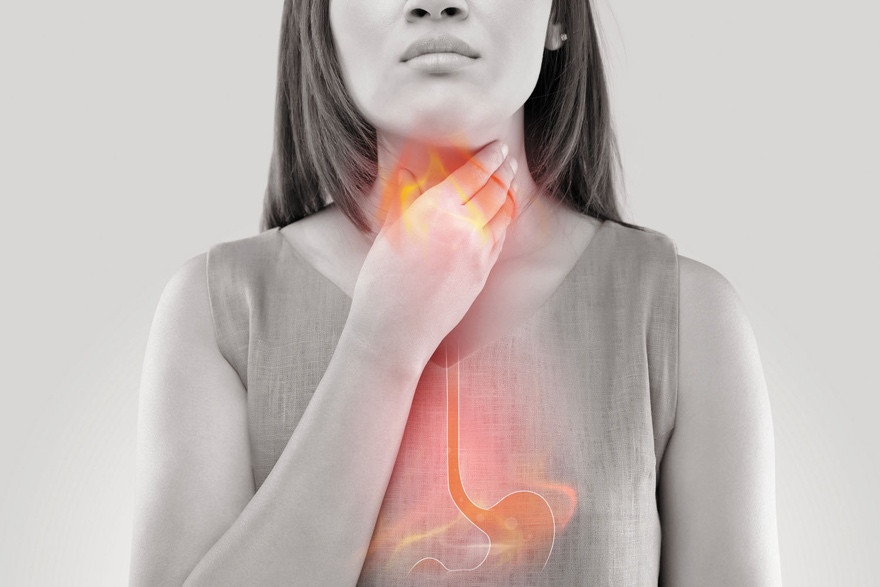
Feeling the burn? Antacids can provide some relief
But these remedies aren't the best choice if you have frequent heartburn.
You feel the familiar sensation in your chest: heartburn. Again, you find yourself reaching for the bottle of antacids in the medicine cabinet. It's something you've done a few times a week for the past six months. Is it okay to keep popping over-the-counter acid reducers, or is it time to see a doctor?
We asked two experts, Dr. Jennifer Nayor and Dr. Molly Linn Perencevich, both instructors in medicine at Harvard Medical School, for their thoughts on heartburn, including when it's okay to use over-the-counter antacids and when you should seek other treatments. Below are their responses.
Hip bursitis vs. arthritis: How to tell the difference
Fitness for longevity: Which type matters most?
Ministrokes linked to elevated risk of dementia
Continuous glucose monitors benefit people who don't need insulin
CoQ10: Should you take this popular supplement if you're on a statin?
Microplastics: A hidden health threat?
Oat vs. dairy milk: Nutrition, benefits, and downsides
What is tempeh? Benefits, nutrition, and how to use it
Healing after food poisoning
Whole grains may improve several heart risk factors at once
Free Healthbeat Signup
Get the latest in health news delivered to your inbox!
Sign Up
