

Hip bursitis vs. arthritis: How to tell the difference

Fitness for longevity: Which type matters most?

Ministrokes linked to elevated risk of dementia

Continuous glucose monitors benefit people who don't need insulin

CoQ10: Should you take this popular supplement if you're on a statin?

Microplastics: A hidden health threat?

Oat vs. dairy milk: Nutrition, benefits, and downsides

What is tempeh? Benefits, nutrition, and how to use it

Healing after food poisoning

Whole grains may improve several heart risk factors at once
Caregiving Archive
Articles
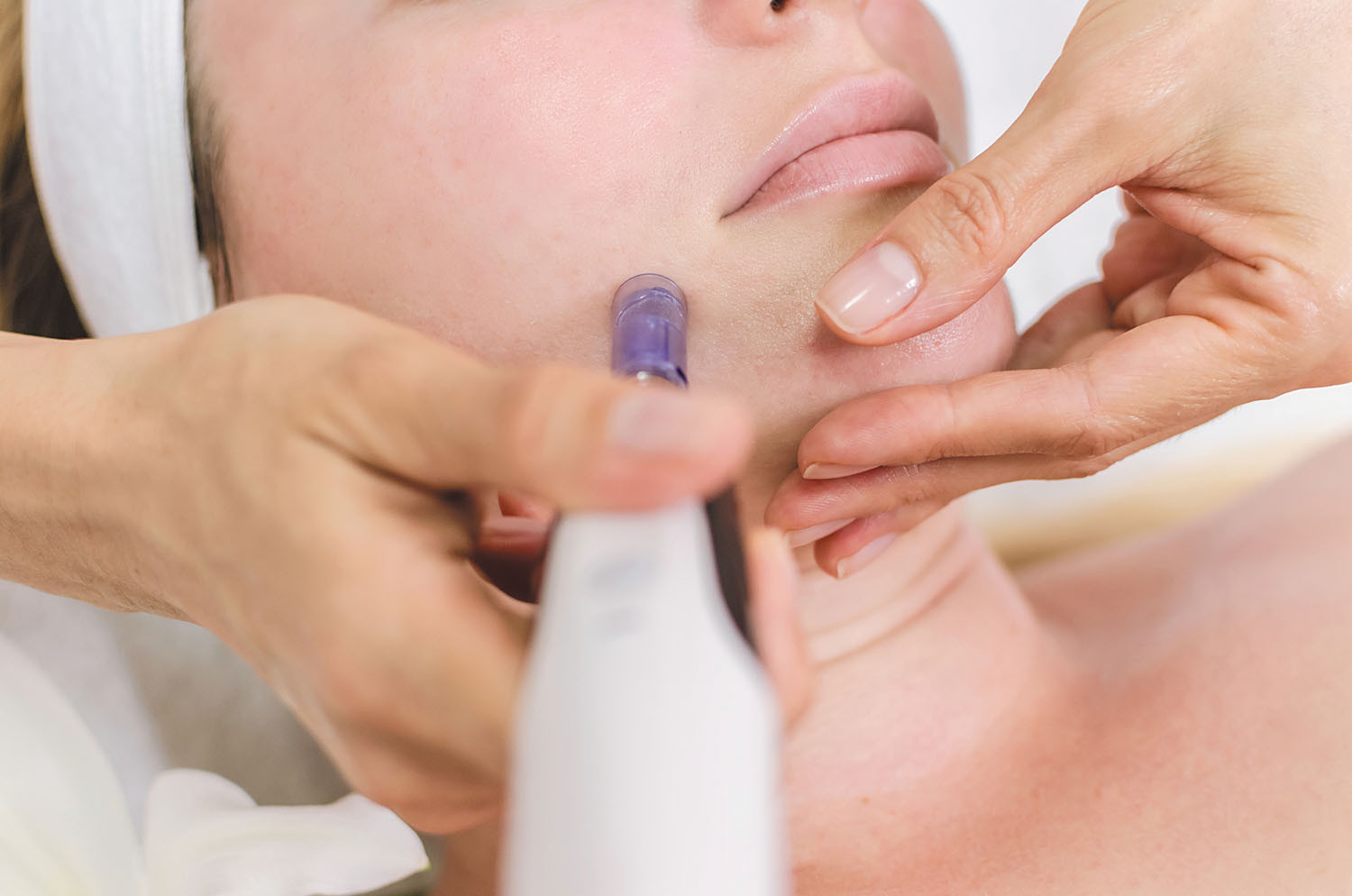
Needling your way to healthier skin
Microneedling was once viewed with skepticism, but it can be an effective procedure to improve the skin.
If the idea of poking yourself in the face with tiny needles in hopes of improving your skin sounds a little bizarre to you, you're not alone. For years, the medical establishment looked at the practice, known as microneedling, with a leery side-eye.
"I didn't take it seriously until relatively recently," says Dr. Kenneth Arndt, medical editor of the Harvard Special Health Report Skin Care and Repair and a founding editorial board member of the Harvard Health Letter.

Should you be taking an omega-3 supplement?
The answer to that question is becoming clearer, thanks to new research.
Some 10% of American adults regularly take an omega-3 supplement, despite uncertainty about whether these products truly live up to their health claims. But two new studies published in November 2018 shed some light on who might benefit from omega-3 supplements — and who probably won't.
VITAL
The first study was the Vitamin D and Omega-3 Trial (VITAL), a large multiyear study with 25,871 healthy adults with no history of cardiovascular (heart or blood vessel–related) disease and at "usual risk" for it. The group was racially diverse and chosen to be representative of the general population, says the study's lead author Dr. JoAnn E. Manson, professor of medicine and the Michael and Lee Bell Professor of Women's Health at Harvard Medical School.

Poor sleep linked to arterial buildup
Research we're watching
An ongoing lack of sleep may lead to more fatty buildup in the arteries, according to a study in the January issue of the Journal of the American College of Cardiology. Researchers measured the sleep quality of 3,974 people with no history of heart disease.
Participants wore a sleep monitor for seven days and were then categorized based how much they slept: short sleep (six to seven hours a night), reference sleep (seven to eight hours a night) and long sleep (more than eight hours a night). Study authors also looked at how fragmented participants' sleep was throughout the nights. They then compared those findings to measures of arterial buildup in the heart and other parts of the body.


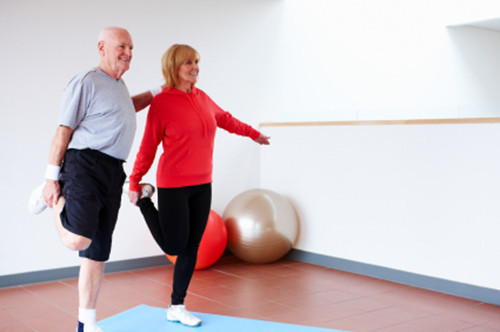
Balanced approach to fitness is key
A walking program is good for you; so is resistance or weight training; balance exercises help improve your athletic abilities and keep you independent.
The current U.S. physical activity guidelines emphasize all three aspects of fitness. Here are the recommendations:

How medications can affect your balance
Medications can be lifesaving by performing critical tasks such as keeping blood sugar at safe levels, hearts thumping rhythmically, and moods afloat. Yet side effects and interactions between drugs (both prescription and nonprescription drugs) may increase your fall risk in numerous ways. Prime examples include blurred vision, dizziness or lightheadedness stemming from low blood pressure, drowsiness, delirium, and impaired alertness or judgment. Some medications may affect the inner ear, spurring temporary or permanent balance disorders.
Often, problems stem from the sheer number of medicines you take, rather than a single drug. According to a national health survey, a third of 45- to 64-year-olds and two-thirds of people 65 and older take three or more prescription drugs over the course of a month. And 16% of 45- to 64-year-olds, as well as 39% of people 65 and over, take five or more drugs. Some gerontologists say they rarely see patients who take fewer than six or seven. Taking many medications at the same time can boost the severity and frequency of side effects among people of any age. Older adults are especially vulnerable, because people's bodies absorb and respond to drugs differently with age.


Spring cleaning: Why more people are uncluttering the mind for better health
The benefits of meditation go beyond stress reduction.
Image: © FatCamera/Getty Images
Most of us sense instinctively that clutter is unhealthy. Sure, we may joke about a disorganized desk or a teenager's messy room, but we feel that a clean, organized space is a healthier, more soothing environment. What about a cluttered mind — a mind constantly presented with different simultaneous challenges and distractions? Is that unhealthy, and is there a fix?
Uncluttering — or, as is usually said, "emptying" — your mind through meditation has a host of health-related benefits, and maybe that's why more people are taking up the practice. Data from a national survey conducted by the CDC's National Center for Health Statistics, published online by the CDC in November 2018, found that 14% of American adults reported meditating in 2017, compared with just 4% in 2012.
Hip bursitis vs. arthritis: How to tell the difference
Fitness for longevity: Which type matters most?
Ministrokes linked to elevated risk of dementia
Continuous glucose monitors benefit people who don't need insulin
CoQ10: Should you take this popular supplement if you're on a statin?
Microplastics: A hidden health threat?
Oat vs. dairy milk: Nutrition, benefits, and downsides
What is tempeh? Benefits, nutrition, and how to use it
Healing after food poisoning
Whole grains may improve several heart risk factors at once
Free Healthbeat Signup
Get the latest in health news delivered to your inbox!
Sign Up
