

Hip bursitis vs. arthritis: How to tell the difference

Fitness for longevity: Which type matters most?

Ministrokes linked to elevated risk of dementia

Continuous glucose monitors benefit people who don't need insulin

CoQ10: Should you take this popular supplement if you're on a statin?

Microplastics: A hidden health threat?

Oat vs. dairy milk: Nutrition, benefits, and downsides

What is tempeh? Benefits, nutrition, and how to use it

Healing after food poisoning

Whole grains may improve several heart risk factors at once
Caregiving Archive
Articles




Six tips for safe strength training
Strength training isn't just for bodybuilders. Like aerobic exercise, it's important for everybody, and it should be a part of any comprehensive exercise program. Of course, if you've never trained with weights before, it can seem a little daunting. But as long as you ease into it gradually and take the proper precautions, strength training is safe for most people.
Use the six tips below to help you get the most from your strength workouts.
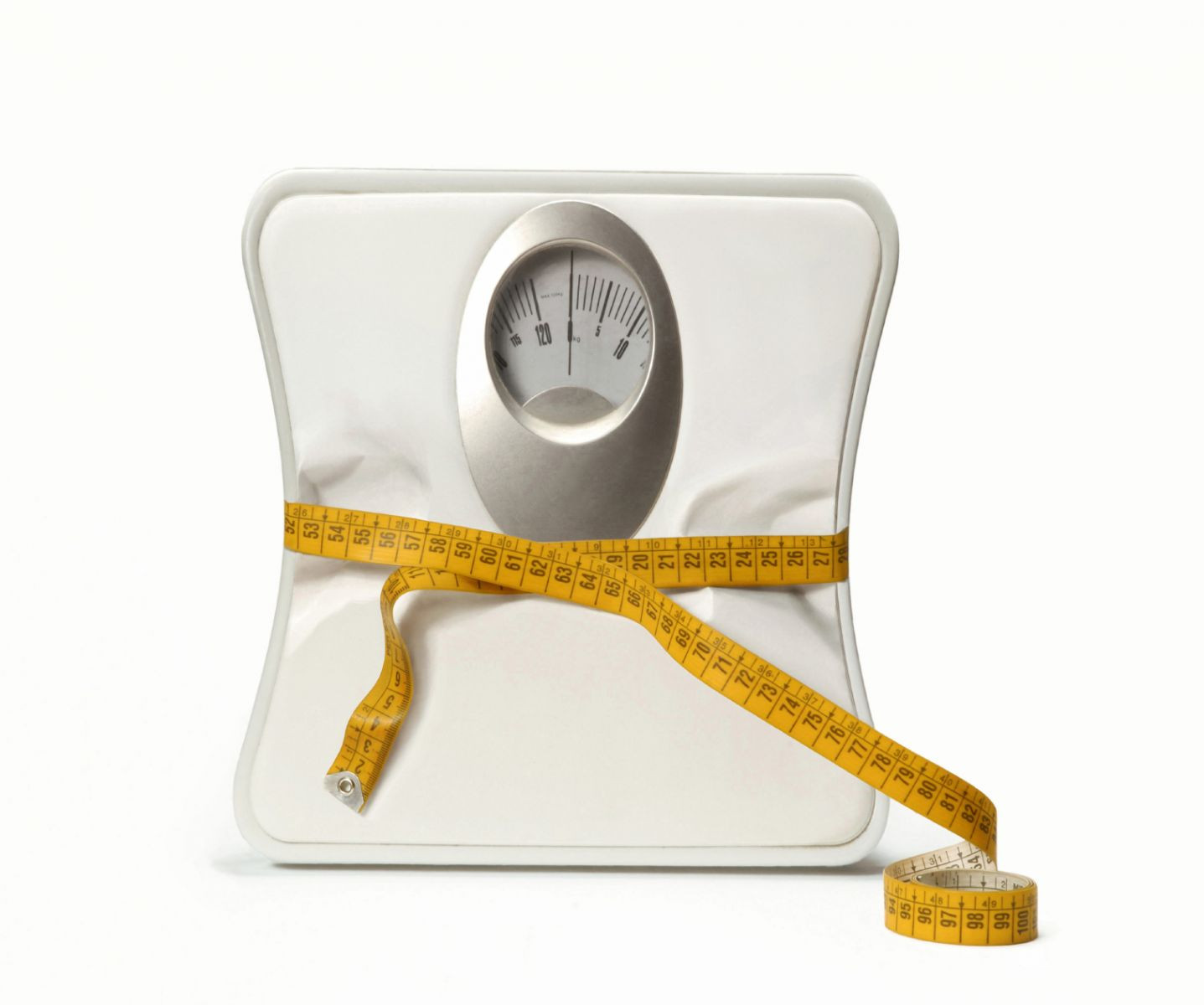
Find the weight-loss plan that works for you
You've tried different diets — and have even been exercising regularly — but those extra pounds won't budge. Don't give up. It may be that you haven't yet found the weight-loss strategies that work for you.
"Everything works for some people, but no treatment is equally effective for everyone," says Dr. Lee Kaplan, director of the Obesity, Metabolism and Nutrition Institute at Massachusetts General Hospital. "No method is fundamentally better than any other. The key is finding out which therapy is best for you, and that takes trial and error."


Navigating the Medicare maze
Medicare is the federal health insurance program for people who are age 65 or older and those younger than 65 with a disability,
The definition of disabilities used to determine Medicare eligibility is the same as that used for Social Security benefits.
Medicare can be a maze all by itself. It has various components, designated by the letters A through D. Each one provides different benefits. In general, out-of-pocket costs are lower in Medicare than in commercial health plans. Here is a summary of what each part covers:


Free services to help your health
Take advantage of free medications, blood pressure screenings, and exercise classes to stay healthy and save money.
Image: © Wavebreakmedia/Thinkstock
Medical costs are soaring, but not every step you take to improve your health has to cost an arm and a leg. Some services are even free, regardless of your financial need. "These are incredibly helpful, although few of my patients know about many of them," says geriatrician Dr. Suzanne Salamon, an assistant professor at Harvard Medical School. The trick is knowing where to find the services, and this month we have suggestions on where to look.
Free exercise classes
Exercise is essential for overall health and mobility, especially as we get older. Many organizations support that by offering free exercise classes for older adults. Good places to find free classes: hospitals and senior centers. Give them a call, or look on the Internet to see an organization's event calendar.
Hip bursitis vs. arthritis: How to tell the difference
Fitness for longevity: Which type matters most?
Ministrokes linked to elevated risk of dementia
Continuous glucose monitors benefit people who don't need insulin
CoQ10: Should you take this popular supplement if you're on a statin?
Microplastics: A hidden health threat?
Oat vs. dairy milk: Nutrition, benefits, and downsides
What is tempeh? Benefits, nutrition, and how to use it
Healing after food poisoning
Whole grains may improve several heart risk factors at once
Free Healthbeat Signup
Get the latest in health news delivered to your inbox!
Sign Up
