

Hip bursitis vs. arthritis: How to tell the difference

Fitness for longevity: Which type matters most?

Ministrokes linked to elevated risk of dementia

Continuous glucose monitors benefit people who don't need insulin

CoQ10: Should you take this popular supplement if you're on a statin?

Microplastics: A hidden health threat?

Oat vs. dairy milk: Nutrition, benefits, and downsides

What is tempeh? Benefits, nutrition, and how to use it

Healing after food poisoning

Whole grains may improve several heart risk factors at once
Caregiving Archive
Articles


A new concern about blood pressure and your brain health
Research we're watching
Last month, Harvard Women's Health Watch talked about how high blood pressure can cause a series of tiny strokes that damage your brain, increasing your risk of dementia and cognitive changes. A study in the August 8 issue of Circulation shows that this might not be the only concern when it comes to blood pressure and your mind. Researchers in Japan found that large and frequent fluctuations in blood pressure — not just high blood pressure — was associated with an increased risk of both Alzheimer's disease and vascular dementia.
The study authors asked 1,674 dementia-free participants ages 60 and older to measure their blood pressure at home, three times every morning, for about four weeks. They followed up about five years later to see who went on to develop dementia.

Protein at every meal may help preserve muscle strength as you age
Research we're watching
Image: © a_namenko/Thinkstock
Want to maintain your muscle strength as you age? A study in the July issue of The American Journal of Clinical Nutrition suggests that eating protein at breakfast, lunch, and dinner may help.
While it has been long thought that when you got your protein during the day didn't make a difference as long as your intake was sufficient, emerging research shows that this may not be the case. Researchers in this study looked at a group of 1,741 healthy older men and women in Canada and followed them for three years. They assessed the participants' strength and mobility at the outset of the study, and then tracked their diets and reassessed their strength at the end of the study period. People who ate protein at all three meals throughout the day were stronger at the beginning and the end of the study than those who mostly ate their protein only at dinner — even if they ate roughly the same amount of protein over all.
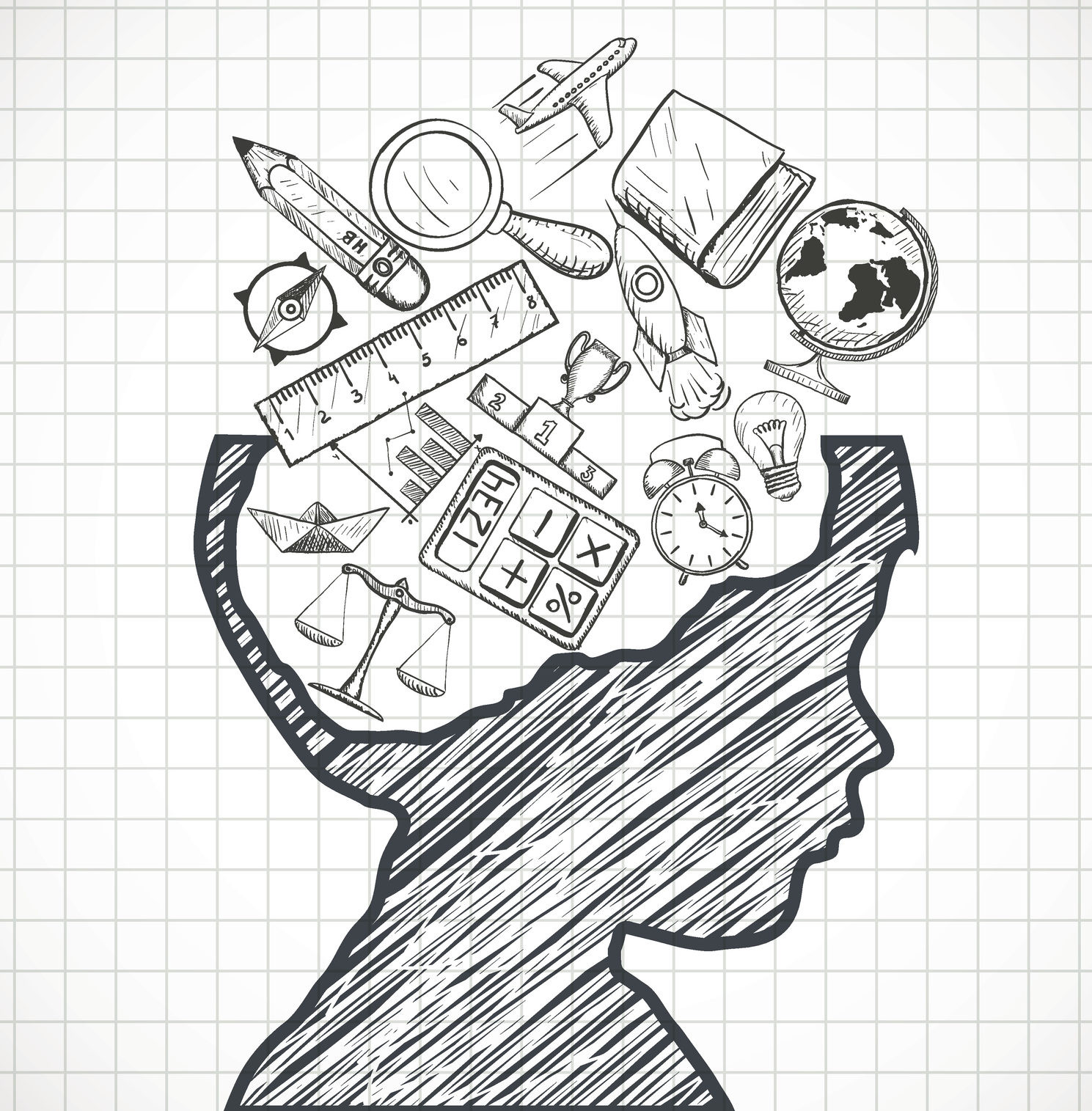
5 things parents and teachers need to know about ADHD
As many as 10% of children in the US have attention deficit hyperactivity disorder, creating challenges for them as well as teachers, classmates, and family members. Understanding the condition is crucial to treating it successfully.



The secret to happiness? Here’s some advice from the longest-running study on happiness
While it’s true that one’s inclination to happiness is partially inherited, an individual’s choices and behaviors also contribute significantly, and research has found that the happiest people all have certain traits in common.
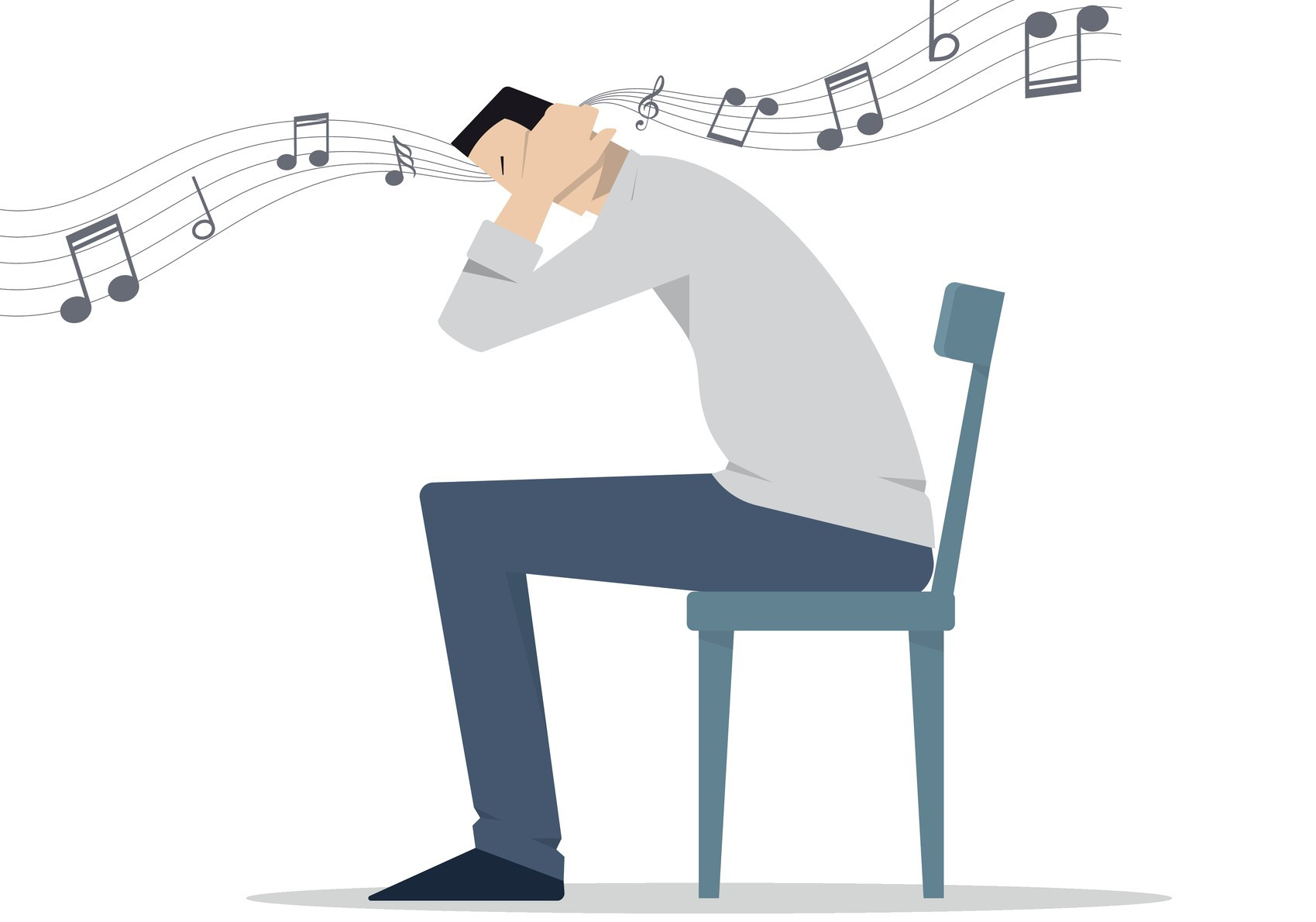
Why you can’t get a song out of your head and what to do about it
The experience of having an “earworm”—a song that’s stuck in your head—is extremely common. But why do they happen? And how do you get rid of one?
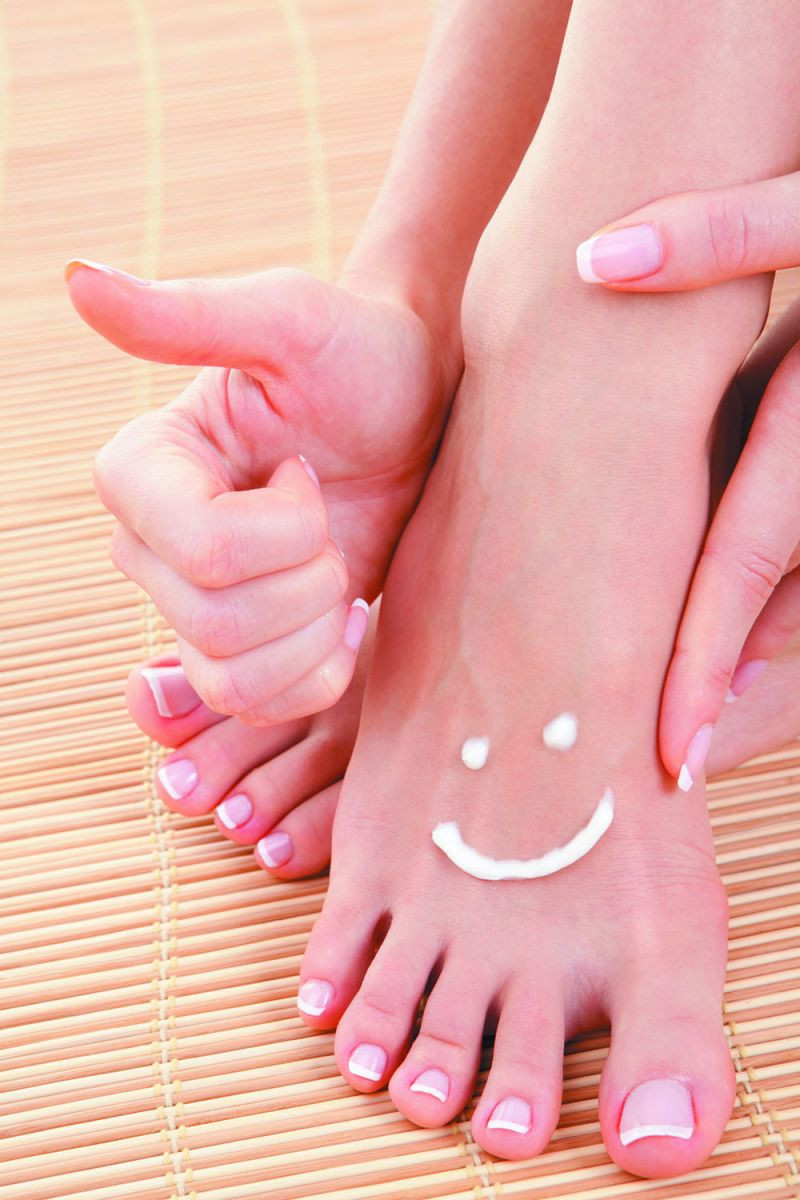
7 ways to safeguard your feet
Stay ahead of foot problems by inspecting your feet regularly, keeping them flexible, and wearing the right shoes.
Feet are the unsung heroes of mobility, and it's crucial to keep them healthy. Even minor problems with your feet — such as an ingrown toenail or a small cut — can leave you sidelined. "Breaches of the skin can quickly become problems, whether it's a scrape, ulcer, or blister that gets contaminated or becomes infected," says Dr. Christopher DiGiovanni, chief of foot and ankle surgery at Harvard-affiliated Massachusetts General Hospital.
Be proactive, and care for your feet the way you'd maintain any valuable equipment you rely on for mobility. Here are seven ideas to help.

Better balance: Activities to keep you on an even keel
Sports, walking, and stair climbing may boost balance and keep a stumble from turning into a bad fall.
When you want to improve your balance and reduce the risk of falls, you might turn to a physical therapist for an evaluation and special exercises. But sometimes other types of physical activity can do the job. "People are surprised at how adding just a little extra activity can make a big difference with their balance," says Joy Orpin, a physical therapist at Harvard-affiliated Massachusetts General Hospital.
Balance problems
Balance impairment may be linked to changes in vision or muscle strength, joint stiffness or pain, inner ear problems, or decreased sensation due to joint surgery, ankle sprains, or neuropathy (nerve damage that causes numbness or burning, especially in the feet). Other contributors to poor balance include a sedentary lifestyle or medication side effects.
Hip bursitis vs. arthritis: How to tell the difference
Fitness for longevity: Which type matters most?
Ministrokes linked to elevated risk of dementia
Continuous glucose monitors benefit people who don't need insulin
CoQ10: Should you take this popular supplement if you're on a statin?
Microplastics: A hidden health threat?
Oat vs. dairy milk: Nutrition, benefits, and downsides
What is tempeh? Benefits, nutrition, and how to use it
Healing after food poisoning
Whole grains may improve several heart risk factors at once
Free Healthbeat Signup
Get the latest in health news delivered to your inbox!
Sign Up
