

Hip bursitis vs. arthritis: How to tell the difference

Fitness for longevity: Which type matters most?

Ministrokes linked to elevated risk of dementia

Continuous glucose monitors benefit people who don't need insulin

CoQ10: Should you take this popular supplement if you're on a statin?

Microplastics: A hidden health threat?

Oat vs. dairy milk: Nutrition, benefits, and downsides

What is tempeh? Benefits, nutrition, and how to use it

Healing after food poisoning

Whole grains may improve several heart risk factors at once
Contraception and birth control Archive
Articles
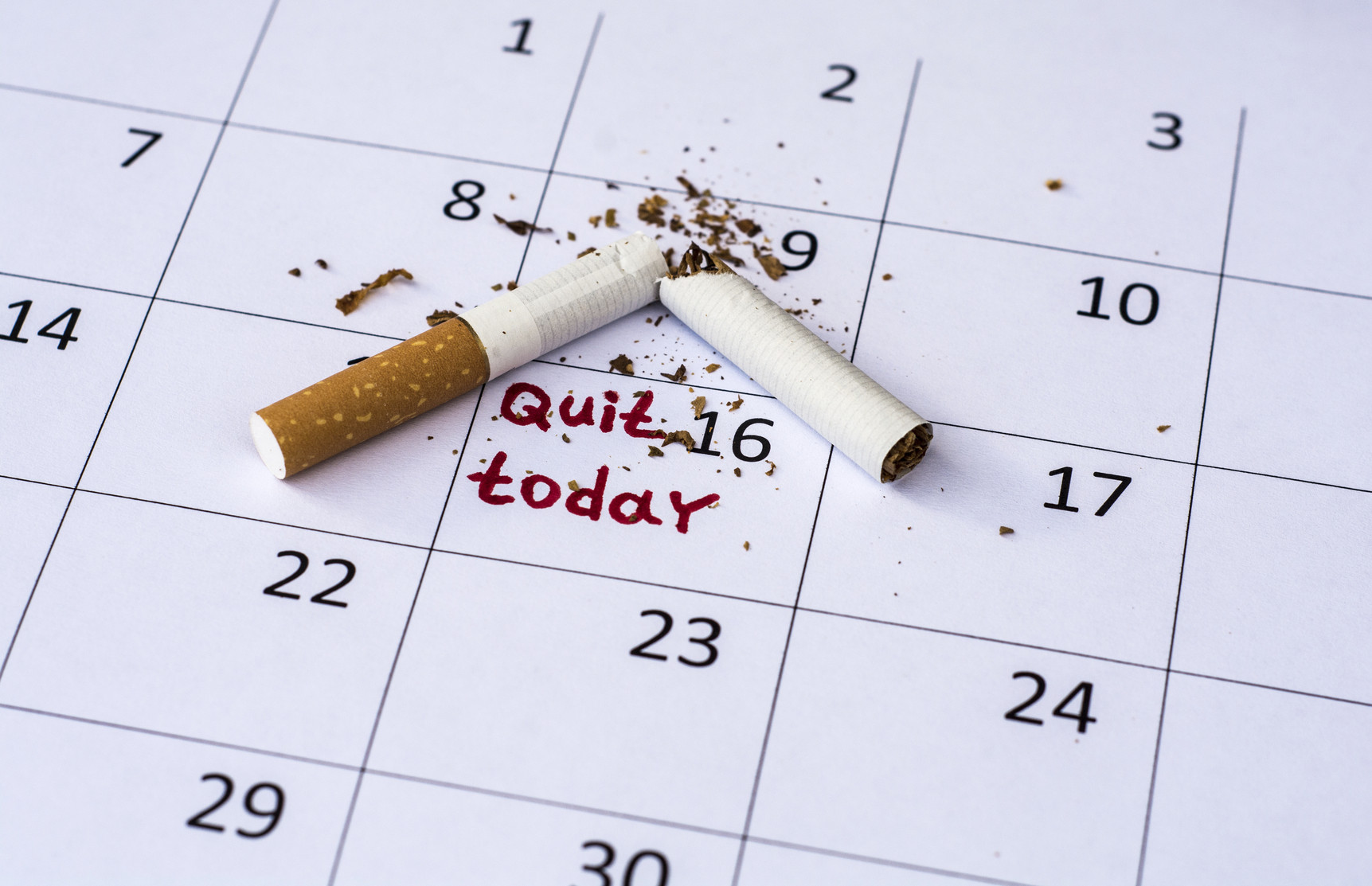
Quitting smoking during the second half of the menstrual cycle may help women kick the habit
Studies have shown that not only do women have a harder time quitting than men, but they also experience more severe health consequences from smoking. However, new research suggests that it may be easier for women to quit smoking during the second half of their menstrual cycle. During this time, the hormone progesterone is higher, and this appears to aid in quitting and avoiding relapse.

Women and sleep: 5 simple steps to a better night's rest
Sleep shortfalls can lead to a range of health problems, from being more likely to catch a cold or gain weight to increased risk of developing heart disease or diabetes.
For optimum health and function, the average adult should get seven to nine hours of sleep every night. But more than 60% of women regularly fall short of that goal.

Unveiling post-traumatic stress disorder
Often considered an ailment of only military veterans, this condition also can affect many older men.
Image: Devoryou/Thinkstock
Mention post-traumatic stress disorder (PTSD), and most people immediately think of military veterans. While this group is highly susceptible to PTSD, research has shown that older adults, specifically men, are also vulnerable.
PTSD is a potentially debilitating condition that can occur in people who have experienced a natural disaster, war, terrorism, serious accident, violent personal assault, or similar traumatic event.

Radiation: Another treatment choice for prostate cancer
Used alone or with hormone therapy, radiation can be a viable option for men at any stage of prostate cancer.
Image: BigStock
Nowadays, men diagnosed with prostate cancer are often given two treatment choices, on opposite ends of the spectrum. First is active surveillance, where you forgo immediate treatment and monitor the cancer's growth. The other is surgery to remove the cancerous prostate.
But an in-between option might be a better choice for men who do not want the anxiety of wait-and-see or the physical hardship of surgery: radiation therapy.

Does taking progesterone reduce miscarriage risk?
A major controlled clinical trial indicates that taking progesterone doesn’t prevent miscarriage in women at elevated risk.

Hormones and your heart
Age-related drops in sex hormone levels sometimes cause undesirable symptoms. But is hormone therapy safe for the heart?
Image: monkeybusinessimages/Thinkstock
A decline in sex hormones is a natural part of growing older. Still, it's only natural to want to feel robust, mentally sharp, and healthy as we age. So it's no surprise that hormone therapy—which has been touted by drug companies as a way to restore youthful vigor, first for women and more recently for men—has generated so much interest.
But hormone therapy has a long, controversial history, particularly with regard to how it may affect the risk for common, chronic health problems. The following is a summary of what we know—and don't know—about the cardiovascular effects of hormone therapy for women and men.
Depression in men: Getting the right treatment
Dr. Terry Schraeder talks with Dr. Michael Miller about the symptoms of depression in men and getting over the gender hurdles to find the right treatment.

Progesterone supplements don’t help prevent miscarriage
Miscarriages can be devastating — especially for women who experience recurrent miscarriage, defined as three or more in a row. Doctors used to give these women supplements of progesterone, a hormone that helps maintain a healthy pregnancy. However, a recent study has confirmed that these supplements don’t improve pregnancy outcomes. For those who experience recurrent miscarriage, the best solution may be to simply keep trying.
How much weight loss is cause for concern?
It is normal to lose some weight as a person ages. In fact, an estimated 10% to 20% of men older than age 65 lose 5% or more of their body weight over the rest of their lifetime. However, losing 5% of total weight in one year or 10% over two years warrants some medical testing.
Are there any advantages to human growth hormone?
The hype around human growth hormone (HGH) comes from a few studies that showed HGH injections can increase lean body mass and shrink body fat, which led to claims of HGH as an “anti-aging” hormone. Yet, the benefits of HGH supplementation for older adults are unproven, and there are concerns about potential side effects.
Hip bursitis vs. arthritis: How to tell the difference
Fitness for longevity: Which type matters most?
Ministrokes linked to elevated risk of dementia
Continuous glucose monitors benefit people who don't need insulin
CoQ10: Should you take this popular supplement if you're on a statin?
Microplastics: A hidden health threat?
Oat vs. dairy milk: Nutrition, benefits, and downsides
What is tempeh? Benefits, nutrition, and how to use it
Healing after food poisoning
Whole grains may improve several heart risk factors at once
Free Healthbeat Signup
Get the latest in health news delivered to your inbox!
Sign Up
