

Hip bursitis vs. arthritis: How to tell the difference

Fitness for longevity: Which type matters most?

Ministrokes linked to elevated risk of dementia

Continuous glucose monitors benefit people who don't need insulin

CoQ10: Should you take this popular supplement if you're on a statin?

Microplastics: A hidden health threat?

Oat vs. dairy milk: Nutrition, benefits, and downsides

What is tempeh? Benefits, nutrition, and how to use it

Healing after food poisoning

Whole grains may improve several heart risk factors at once
Contraception and birth control Archive
Articles

What a therapist can do for you
Many men resist talking about their problems, but there are times when it's necessary.
Image: ArtemSam/Thinkstock
Men often like to think of themselves as the strong, problem-solver type who never needs help, especially when it comes to their emotional and mental issues. But men should never bottle up their feelings and tough it out, according to Dr. Darshan Mehta, medical director of the Benson-Henry Institute for Mind Body Medicine at Harvard-affiliated Massachusetts General Hospital.
"Your mental health is equally as important as your physical health and proper nutrition. Not addressing negative feelings can carry over to all aspects of your life and have a profound impact," he says.

Can vitamin D levels signal aggressive prostate cancer?
Low levels of vitamin D may help predict aggressive prostate cancer, according to new research. While it only showed an association, the researchers believe low D levels could be used as a valuable biomarker, and help men and their doctors decide whether to consider active surveillance, in which the cancer is monitored for changes.
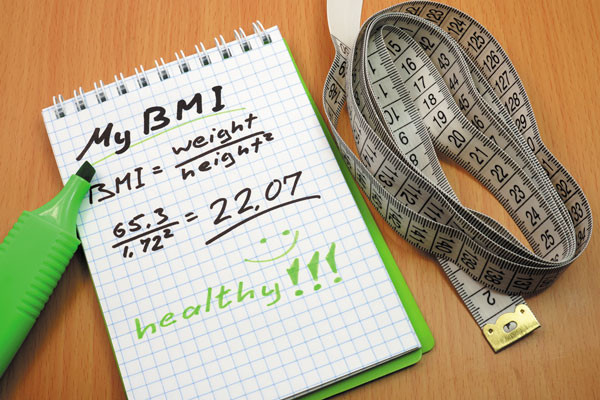
Is body mass index (BMI) still the best measure of body fat?
Body mass index (BMI) is still the best way to assess body fat for most people.
Why am I gaining weight?
Lifestyle measures can help to minimize postmenopausal weight gain and maximize health.

Don’t accept a diminished sex life as a “side effect” of illness
Living with a chronic condition or as a survivor of cancer or a heart attack needn't take a toll on intimate relationships.
Image: Jack Hollingsworth/Thinkstock
Strategically timing when you take pain medication can make sex more comfortable.
Sexual satisfaction is an important part of well-being, yet women who have been successfully treated for cancer or are living with chronic conditions often accept a diminished sex life as a trade-off for being alive. "Women with cancer go through surgery, chemotherapy, and radiation in order to be alive, but once they're through treatment they may not feel as though they are really living to the fullest," says Dr. Sharon Bober, a psychologist at Harvard-affiliated Dana-Farber Cancer Institute. Women with cardiovascular disease, diabetes, and arthritis may also feel that their health issues have eroded their intimate relationships.
Endometriosis linked to increased risk of heart disease
Women who have a history of endometriosis—a risk factor for cardiovascular disease—should take measures to reduce their other cardiovascular risk factors.
Prompt attention to “ministrokes” may reduce risk of subsequent stroke
Getting immediate attention for symptoms of a transient ischemic attack can minimize the risk of a subsequent stroke.
Dense-breast notification letters are confusing, study shows
Letters notifying women that they have dense breasts are difficult to understand. Women receiving them should contact their doctors.

Let’s dance! How rhythmic motion can improve your health
Both music and exercise help prevent and alleviate disease. Fusing the two may have even greater benefits than either alone.
Image: iStock
Dancing is a universal human experience. We dance to express joy, celebrate life events, and enact religious and cultural rituals. Dance also has physical and cognitive benefits that may exceed those of other forms of exercise.
What dance does for your health
How to get started
If you've ever danced you know how much fun it can be. Even if your rumba is a little rusty or your back step has slowed, it may be easier than you think to get back in the swing. If you're not ready to jump on the dance floor at the next wedding or class reunion—maybe you're a little shy or feel you have two left feet—there still are ways you can enjoy dancing.
Take a class. Many Y's and senior centers offer some type of group instruction for people at all levels of expertise. You're most likely to find lessons in tai chi (a meditative exercise that is often performed to relaxing music) and Zumba (an aerobic workout that combines steps and moves from a variety of traditional dances, often to Latin music). Learning new types of ballroom dance can also be fun and challenging. If you don't have a partner, there is a world of folk and line dances that don't require a pairing with another person. Many dance studios and square-dance and contra-dance groups create a friendly environment for people by promoting partner rotation, where you switch partners and dance with someone new each time. You might also consider taking up (or resuming) tap, which can build bones, or ballet to strengthen core muscles and improve balance.
Dance at home. If you want to practice in private, the Internet has a wide variety of dance instruction videos, such as the popular "Dance for Dummies," that demonstrate the steps in slow motion and allow you to proceed at your own pace. Your public library may also stock instructional dance videos that are available to check out. All you need is comfortable clothing, a pair of supportive shoes, and enough space to move freely.
"In any instance you're getting the benefit of connecting to the music, so you're involving a part of the brain that isn't necessarily being tapped when you're doing something like walking that is more rote," Dr. Elson says.

Shopping for sunglasses
Wearing lenses that screen out harmful ultraviolet radiation is essential for keeping your eyes healthy.
Large wraparound lenses offer the best protection.
Image: Wavebreakmedia/Thinkstock
When you buy sunglasses, your primary aim might be to find a style that looks good on you and is comfortable. If so, like almost half of people selecting sunglasses from the racks, you've failed to consider the most important detail—the amount of harmful ultraviolet (UV) radiation the lenses screen out.
Hip bursitis vs. arthritis: How to tell the difference
Fitness for longevity: Which type matters most?
Ministrokes linked to elevated risk of dementia
Continuous glucose monitors benefit people who don't need insulin
CoQ10: Should you take this popular supplement if you're on a statin?
Microplastics: A hidden health threat?
Oat vs. dairy milk: Nutrition, benefits, and downsides
What is tempeh? Benefits, nutrition, and how to use it
Healing after food poisoning
Whole grains may improve several heart risk factors at once
Free Healthbeat Signup
Get the latest in health news delivered to your inbox!
Sign Up
