

Hip bursitis vs. arthritis: How to tell the difference

Fitness for longevity: Which type matters most?

Ministrokes linked to elevated risk of dementia

Continuous glucose monitors benefit people who don't need insulin

CoQ10: Should you take this popular supplement if you're on a statin?

Microplastics: A hidden health threat?

Oat vs. dairy milk: Nutrition, benefits, and downsides

What is tempeh? Benefits, nutrition, and how to use it

Healing after food poisoning

Whole grains may improve several heart risk factors at once
Diabetes and metabolic health Archive
Articles

People with diabetes face higher risk of hearing loss
A 2025 analysis found hearing loss in 41% to 72% of people with diabetes, which was, on average, more than four times as often as in people without diabetes. People whose diabetes was less well controlled had greater hearing loss. Diabetes lasting 10 years or more doubled the risk.
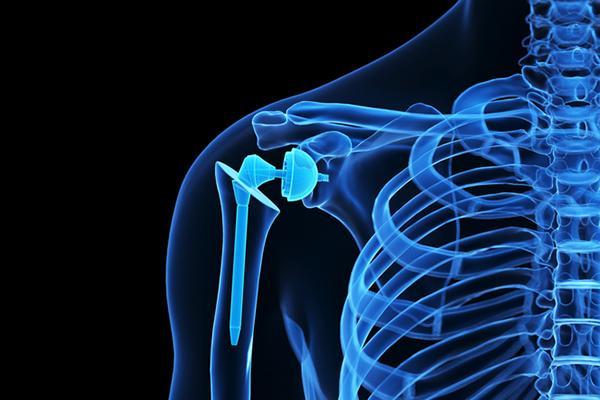
Obesity appears not to raise risks from shoulder replacement surgery
Obesity is thought to increase the risk of complications for people undergoing certain joint replacement surgeries. A 2025 study found that compared with people of a healthy weight, people with severe obesity (BMI of at least 40) were at no greater risk for serious complications following shoulder replacement surgery.

Exercise may lower risk of premature death among people with diabetes
A 2025 study suggested that people with diabetes who exercise regularly or in a "weekend warrior" pattern are significantly less likely to die earlier than peers who are inactive.

Combining Mediterranean diet with other lifestyle changes offers extra protection against diabetes
In a 2025 study, people who followed a Mediterranean diet, reduced their calorie intake, exercised at least 150 minutes a week, and received weight-loss support lowered their diabetes risk and lost more weight than those who only followed a Mediterranean diet.

Lifestyle counseling may help men eat healthier and reduce their risk for diabetes
Overweight or obese men diagnosed with prediabetes who received counseling on healthy eating habits and online support significantly improved their diets and reduced their risk for developing diabetes, according to a 2025 study.

Skipping breakfast may increase risk for metabolic syndrome
In a 2025 study, skipping breakfast was associated with a 10% increased risk for metabolic syndrome, a disorder defined by having three or more of the following: abdominal obesity, high blood pressure, high blood sugar, high triglycerides, and low HDL cholesterol.

Women with diabetes may face more hidden heart damage
A 2025 study suggested that women with diabetes are nearly twice as likely as men to have hidden heart disease. These women might especially benefit from early screening for problems in the small blood vessels of the heart.

The case for watching your blood sugar
Being mindful of how various factors affect blood sugar levels can help people avoid fatigue, curb cravings, boost mood, and manage weight. Blood sugar spikes after people eat carbohydrate-heavy foods, soon dropping again. Eating balanced meals and snacks that include protein, fat, and carbohydrates can maintain more stable blood sugar levels. People can keep blood sugar levels consistent by timing meals, practicing portion control, prioritizing healthy foods, staying active, avoiding smoking, and keeping a food log.

Several risk factors in midlife may lead to dementia
Researchers have found that high blood pressure, diabetes, and smoking had the greatest association with the likelihood of a dementia diagnosis as people age. Managing these issues could offer protection.
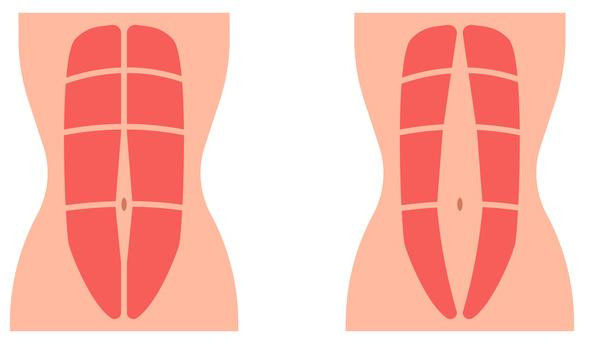
Battle of the bulge
Diastasis recti occurs when the rectus abdominis muscle - the "six-pack" - separates and leads to a midline abdominal bulge. This might happen because of pregnancy, aging, genetics, excessive abdominal pressure, or abdominal surgery. The bulge becomes more noticeable when lifting heavy objects, getting out of bed, or even performing everyday tasks. The condition usually doesn't resolve on its own. Working with a physical therapist can help decrease the muscle separation.
Hip bursitis vs. arthritis: How to tell the difference
Fitness for longevity: Which type matters most?
Ministrokes linked to elevated risk of dementia
Continuous glucose monitors benefit people who don't need insulin
CoQ10: Should you take this popular supplement if you're on a statin?
Microplastics: A hidden health threat?
Oat vs. dairy milk: Nutrition, benefits, and downsides
What is tempeh? Benefits, nutrition, and how to use it
Healing after food poisoning
Whole grains may improve several heart risk factors at once
Free Healthbeat Signup
Get the latest in health news delivered to your inbox!
Sign Up
