

Hip bursitis vs. arthritis: How to tell the difference

Fitness for longevity: Which type matters most?

Ministrokes linked to elevated risk of dementia

Continuous glucose monitors benefit people who don't need insulin

CoQ10: Should you take this popular supplement if you're on a statin?

Microplastics: A hidden health threat?

Oat vs. dairy milk: Nutrition, benefits, and downsides

What is tempeh? Benefits, nutrition, and how to use it

Healing after food poisoning

Whole grains may improve several heart risk factors at once
Diabetes Archive
Articles
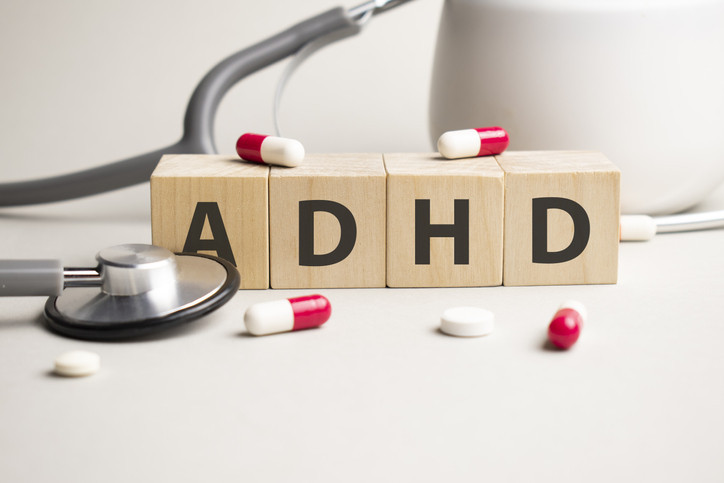
Attention deficit disorder linked to higher heart disease risk
People with attention-deficit hyperactivity disorder, a condition marked by trouble focusing and impulsive behavior, may be more likely to have cardiovascular disease that people without the disorder.

Genes protective during the Black Death may now be increasing autoimmune disorders
Genes that helped people survive during the time of the Black Death are more likely to be found in people with autoimmune diseases alive today. Does this tell scientists anything about what surviving the COVID-19 pandemic might mean for the world's population?

Kidney health quick-start guide
Unhealthy lifestyle habits, chronic diseases, and genetic conditions can damage the kidneys and reduce their ability to do their many jobs. But many precautions can help protect the kidneys. Examples include controlling diabetes; lowering high blood pressure; moderating intake of salt, alcohol, and protein; limiting intake of oxalate-rich foods such as spinach, almonds, or cashews; losing weight; stopping smoking; exercising regularly; staying hydrated; limiting the use of nonsteroidal anti-inflammatory drugs (NSAIDs); and getting annual kidney function tests.

What's the future of remote patient monitoring?
The miniaturization of electronics is leading to the development of next-generation devices to monitor health. People today are using various devices (typically smart watches) to measure their heart rate, the regularity of their heart rhythm, the quality of their sleep, their body temperature, and the levels of oxygen and sugar in their blood. And scientists are working on other devices—such as a thin strip of material that is pasted onto the skin—to constantly measure blood pressure, organ function, or certain body chemicals.

High blood pressure linked to severe COVID despite vaccination
A 2022 study found that high blood pressure more than doubled the risk of being hospitalized from an Omicron-variant COVID-19 infection regardless of full vaccination, including a booster dose of an mRNA vaccine.

Can you hear me now?
An estimated 30 million Americans experience some level of hearing loss, but only about 20% of them seek hearing aids. Many people can't accept they can't hear well, or won't act on symptoms. People should seek help if they have trouble hearing conversations, TV, and other sounds, and should see a doctor quickly if they have hearing loss in only one ear, pain, ear drainage, or vertigo. Visits with an audiologist and otolaryngologist (ear, nose, and throat doctor) are typically needed to get prescription hearing aids. Over-the-counter hearing aids are expected to be available online and in stores starting in late 2022.

A life-changing detour
Each year, millions of couples face one partner's serious diagnosis with a condition such as cancer, heart or kidney failure, or neurological illness, among others. People can support their partners through a difficult diagnosis and treatment by keeping communication open, maintaining daily routines, becoming informed about the medical condition, attending doctor visits, adding assistive devices in their home, getting wills and other legal documents in order, and seeking and accepting help from others.

Over-the-counter hearing aids are finally available
In August 2022, the FDA approved a new category of safe, regulated hearing aids to be sold over the counter. The devices are meant only for people with perceived mild-to-moderate hearing loss who need to amplify the volume of sounds around them.

People with kidney disease eat less fruits and veggies
A 2022 study found that people with chronic kidney disease were less likely than similar adults without the condition to eat fruits and vegetables. Researchers said more studies are needed to determine if this dietary pattern is a cause or a result of the disease.

Weighing the new approaches to treating Crohn's and ulcerative colitis
In recent years, treatment options for inflammatory bowel disease have expanded rapidly, with new types of drugs, new medications within existing classes, and new combinations of treatments for some patients.
Hip bursitis vs. arthritis: How to tell the difference
Fitness for longevity: Which type matters most?
Ministrokes linked to elevated risk of dementia
Continuous glucose monitors benefit people who don't need insulin
CoQ10: Should you take this popular supplement if you're on a statin?
Microplastics: A hidden health threat?
Oat vs. dairy milk: Nutrition, benefits, and downsides
What is tempeh? Benefits, nutrition, and how to use it
Healing after food poisoning
Whole grains may improve several heart risk factors at once
Free Healthbeat Signup
Get the latest in health news delivered to your inbox!
Sign Up
