

Hip bursitis vs. arthritis: How to tell the difference

Fitness for longevity: Which type matters most?

Ministrokes linked to elevated risk of dementia

Continuous glucose monitors benefit people who don't need insulin

CoQ10: Should you take this popular supplement if you're on a statin?

Microplastics: A hidden health threat?

Oat vs. dairy milk: Nutrition, benefits, and downsides

What is tempeh? Benefits, nutrition, and how to use it

Healing after food poisoning

Whole grains may improve several heart risk factors at once
Diabetes Archive
Articles

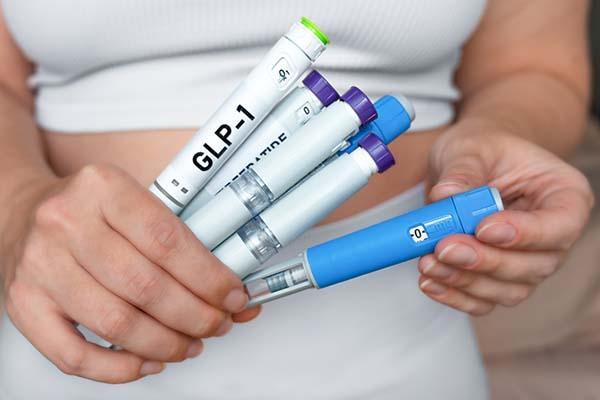
Weight-loss drug may lower risk of heart attacks and infections
For people with excess weight, type 2 diabetes, and heart disease, using the GLP-1 drug tirzepatide (Mounjaro, Zepbound) may lower the risk of heart attack, infection, and death from any cause more than taking an older drug, sitagliptin (Januvia), according to a 2026 study.

What is hyperparathyroidism and how does it affect the body?
Hyperparathyroidism involves excess hormone production from tiny neck glands and can disrupt calcium balance, bone health and overall well-being.
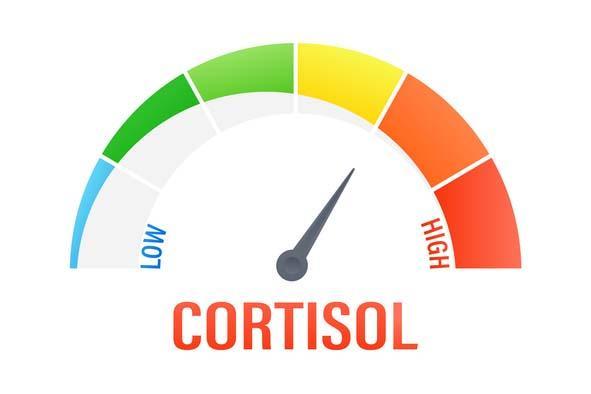
Do you really have high cortisol?
Social media influencers blame “high cortisol” for an array of problems, from stubborn belly fat to poor sleep. But true cortisol disorders are rare and most people have no evidence that abnormal cortisol levels are driving such problems.

Antiviral medications for winter bugs
Several factors increase the risk for complications from COVID-19 or influenza and should prompt someone to request an antiviral medication as soon as possible, even if they have been vaccinated or have had the infections before. The risk factors are age (being 65 or older), an impaired immune system, and underlying conditions (especially heart or lung disease). Pregnant women also are at increased risk for severe influenza and COVID, and should consider taking an antiviral.

Why might your GGT (gamma-glutamyl transferase) level be elevated?
An elevated GGT result can have several explanations, from supplements and pain relievers to underlying liver conditions.
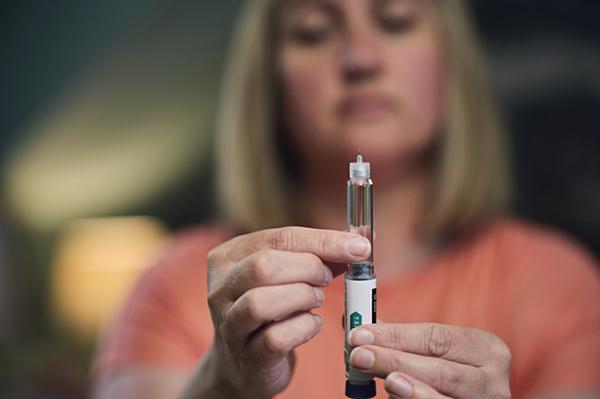
GLP-1 weight-loss drugs may lower the need for knee replacement
GLP-1 drugs, such as semaglutide and tirzepatide, used for diabetes and weight loss, may also reduce knee osteoarthritis pain and delay knee replacement surgery. In a large 2026 study, the use of any GLP-1 was linked to a reduced likelihood of knee replacement over eight years.
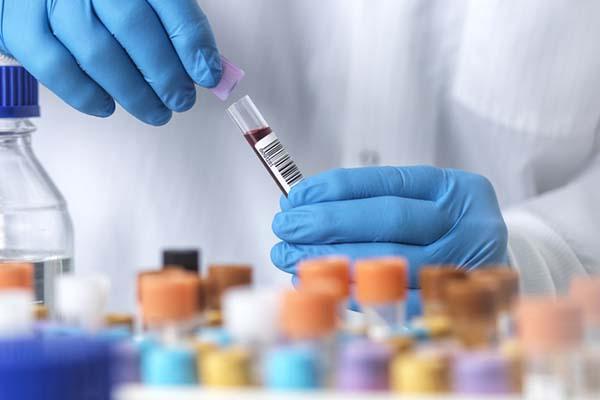
Is a thyroid-stimulating hormone level of 1.32 healthy?
A TSH result can be confusing without context. See what the number measures, how lab ranges vary and when other factors matter for thyroid health.

When should a high TSH lead to a higher thyroid hormone dose?
A rise in thyroid-stimulating hormone after thyroid removal can have several explanations, from medication timing to changes in absorption.

Are medically tailored meals right for you?
For people managing a chronic illness or recovery, medically tailored meals—home-delivered and dietitian-planned—can help. Research shows they improve health outcomes, reduce hospitalizations, and save billions in health care costs. Programs range from full meal delivery to grocery boxes and produce vouchers.
Hip bursitis vs. arthritis: How to tell the difference
Fitness for longevity: Which type matters most?
Ministrokes linked to elevated risk of dementia
Continuous glucose monitors benefit people who don't need insulin
CoQ10: Should you take this popular supplement if you're on a statin?
Microplastics: A hidden health threat?
Oat vs. dairy milk: Nutrition, benefits, and downsides
What is tempeh? Benefits, nutrition, and how to use it
Healing after food poisoning
Whole grains may improve several heart risk factors at once
Free Healthbeat Signup
Get the latest in health news delivered to your inbox!
Sign Up
