

Hip bursitis vs. arthritis: How to tell the difference

Fitness for longevity: Which type matters most?

Ministrokes linked to elevated risk of dementia

Continuous glucose monitors benefit people who don't need insulin

CoQ10: Should you take this popular supplement if you're on a statin?

Microplastics: A hidden health threat?

Oat vs. dairy milk: Nutrition, benefits, and downsides

What is tempeh? Benefits, nutrition, and how to use it

Healing after food poisoning

Whole grains may improve several heart risk factors at once
Diabetes Archive
Articles

Tips to cope when hearing hurts
Hyperacusis describes sensitivity to some or all sounds, no matter the volume. Depending on the person, sounds might be uncomfortably loud; cause pain in the ear, head, or another part of the body; trigger negative emotional responses; or make someone dizzy. These reactions might be due to irritated or overactive nerve fibers or muscles in the ear. While doctors have few treatments for hyperacusis, certain strategies help, such as avoiding sound triggers, wearing hearing protection, and engaging in sound therapy.
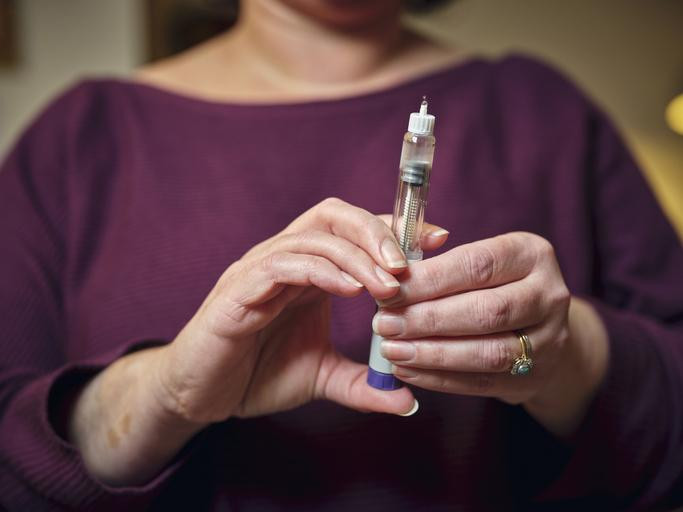
Do GLP-1 drugs reduce inflammation?
In a 2025 study of nearly a million people with diabetes, those who took GLP-1 drugs had a reduction of 10% to 20% in heart failure, cardiac arrest, lung failure and pneumonia, and dementia, compared with people who took other diabetes medications.

Exercising 150 minutes per week could help reverse prediabetes
People with prediabetes may be able to reduce their risk of developing type 2 diabetes with 150 minutes of moderate-intensity exercise per week, says a 2025 study. Exercise can help lower blood sugar and excess weight, the main risk factors for progression of prediabetes to type 2 diabetes.

For people with high blood pressure, controlling risk factors could mean a longer life
People with high blood pressure typically die earlier than people without the condition. A 2025 study suggests that they can significantly lower-or even eliminate-that difference by controlling several key risk factors.

What are eye flashes and floaters and what can I do about them?
Flashes and floaters are eye problems that become common with age. Over time, they may become less noticeable, but people should seek medical care if symptoms worsen, as this could be a sign of a retinal detachment.

Surgery may have an edge over injections for carpal tunnel syndrome
A 2025 randomized trial of people with carpal tunnel syndrome found that 57% of those who had surgery as a first-line treatment recovered within 18 months, without additional treatments, compared with 13% of people who received steroid injections instead.
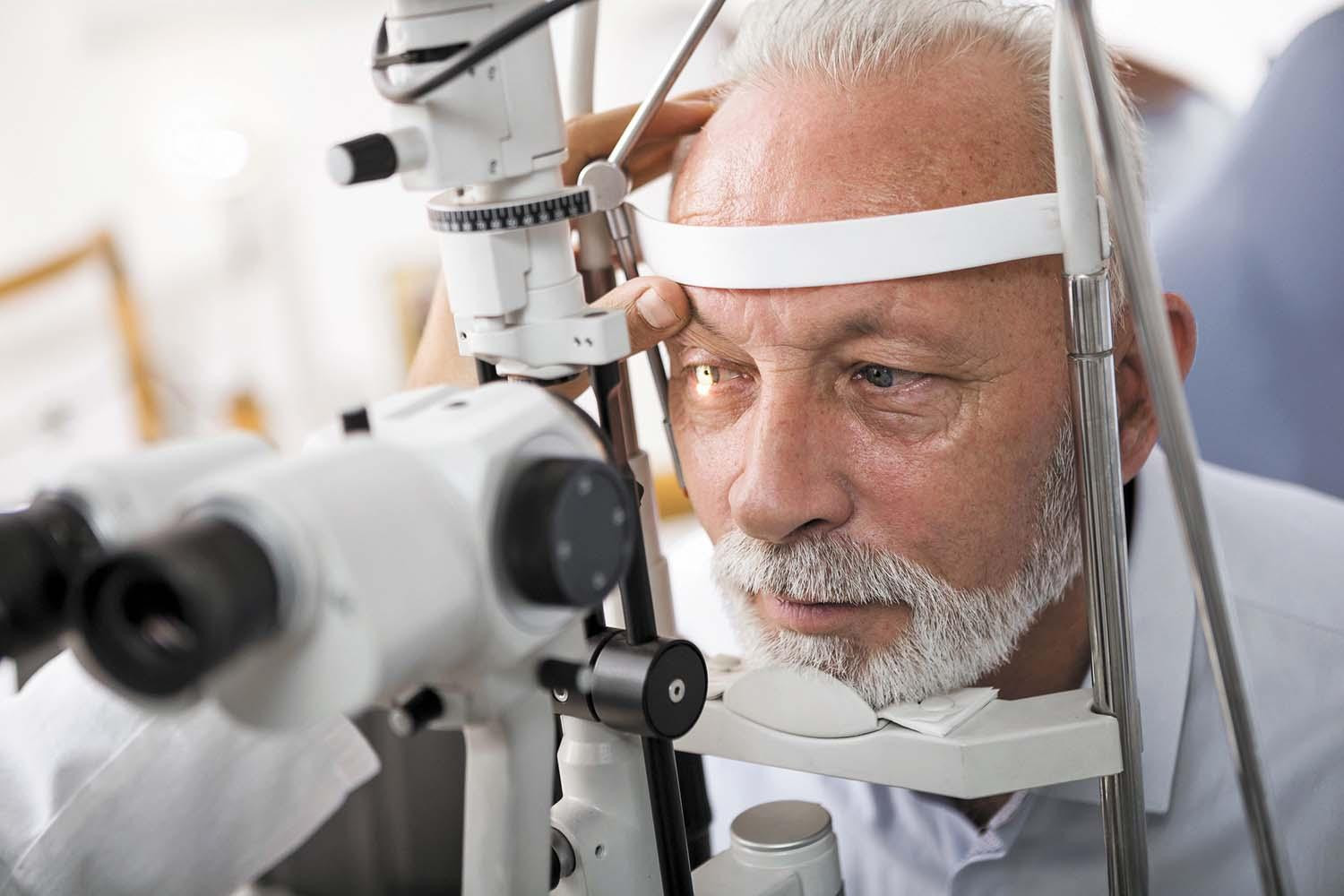
An emerging trend for cataract surgery
Same-day bilateral cataract surgery removes cataracts in both eyes in one surgical session, instead of two surgeries that are a few weeks apart. The approach has many benefits, such as convenience, but it has risks, too. Vision clarity might not be as good as it is when the procedures are done separately. Some doctors fear that vision loss (which is a low risk for any cataract surgery) could possibly occur in both eyes at the same time.

What to do if you get "tennis leg"
Tennis leg refers to a strained calf muscle, usually the gastrocnemius. A person can injure the muscle during activity when planting the foot down hard or suddenly changing direction. This might happen during sports, such as tennis, or even while walking or jogging. Mature athletes, who are prone to injury, are vulnerable to the injury. Treatment can involve resting, elevating, and icing the calf muscle; wearing a compression sock; taking painkillers; getting physical therapy; and having surgery.

Who's on your diabetes health care team?
Someone with a new diagnosis of diabetes might feel overwhelmed by the many strategies required to help control the disease. It helps to add several experts to the care team. Soon after a diagnosis, it's a good idea to schedule appointments with a dietitian, an eye doctor, an endocrinologist, and a certified diabetes educator. It's also helpful to add other experts as needed to the team, such as a physical therapist, a podiatrist, a social worker or an aging life care manager, and a certified health coach.

Modified DASH diet lowers blood pressure in people with diabetes
For people with diabetes, a modified version of the Dietary Approaches to Stop Hypertension (DASH) diet can lower their blood pressure. Called DASH4D, it has fewer carbohydrates, more unsaturated fat, and slightly reduced amounts of potassium.
Hip bursitis vs. arthritis: How to tell the difference
Fitness for longevity: Which type matters most?
Ministrokes linked to elevated risk of dementia
Continuous glucose monitors benefit people who don't need insulin
CoQ10: Should you take this popular supplement if you're on a statin?
Microplastics: A hidden health threat?
Oat vs. dairy milk: Nutrition, benefits, and downsides
What is tempeh? Benefits, nutrition, and how to use it
Healing after food poisoning
Whole grains may improve several heart risk factors at once
Free Healthbeat Signup
Get the latest in health news delivered to your inbox!
Sign Up
