

Hip bursitis vs. arthritis: How to tell the difference

Fitness for longevity: Which type matters most?

Ministrokes linked to elevated risk of dementia

Continuous glucose monitors benefit people who don't need insulin

CoQ10: Should you take this popular supplement if you're on a statin?

Microplastics: A hidden health threat?

Oat vs. dairy milk: Nutrition, benefits, and downsides

What is tempeh? Benefits, nutrition, and how to use it

Healing after food poisoning

Whole grains may improve several heart risk factors at once
Diabetes Archive
Articles

Coping with motion sickness
Change the circumstances that can lead to conflict between your senses and make you sick.
Some people dread riding on a plane, train, bus, or boat, or even sitting in the back of a car. The motion makes them feel nauseated or dizzy, and it may bring on headaches, vomiting, or cold sweats.
"We're wired differently for processing motion and movement. Some people are less tolerant of motion than others. It's very common," says Dr. Steven Rauch, an ear specialist and chief of the vestibular (balance) division of Harvard-affiliated Massachusetts Eye and Ear Infirmary.

What are the best calcium sources for people who are lactose intolerant?
On call
Image: © Svetl/Thinkstock
Q. How can I get my daily requirement for calcium if I am lactose intolerant?
A. We usually associate high-calcium foods with dairy products, like milk, cheese, and yogurt. If you cannot tolerate these foods from a digestive standpoint, you can still meet your calcium requirement by increasing your consumption of certain green leafy vegetables and calcium-fortified foods.
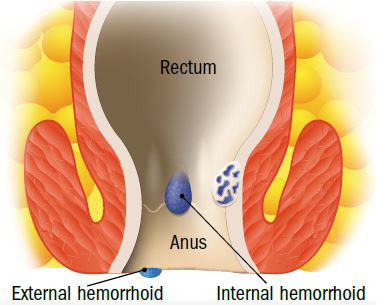
Help for hemorrhoids
One of the most embarrassing conditions also can be one of the easiest to treat and manage.
Image: © ttsz/Thinkstock
Hemorrhoids are without doubt among the most unpleasant of health topics. But if you have suffered from them, you may find comfort in knowing that you are not alone.
More than 75% of people ages 45 and older have had hemorrhoids, with symptoms like rectal pain, itching, and bleeding after a bowel movement.
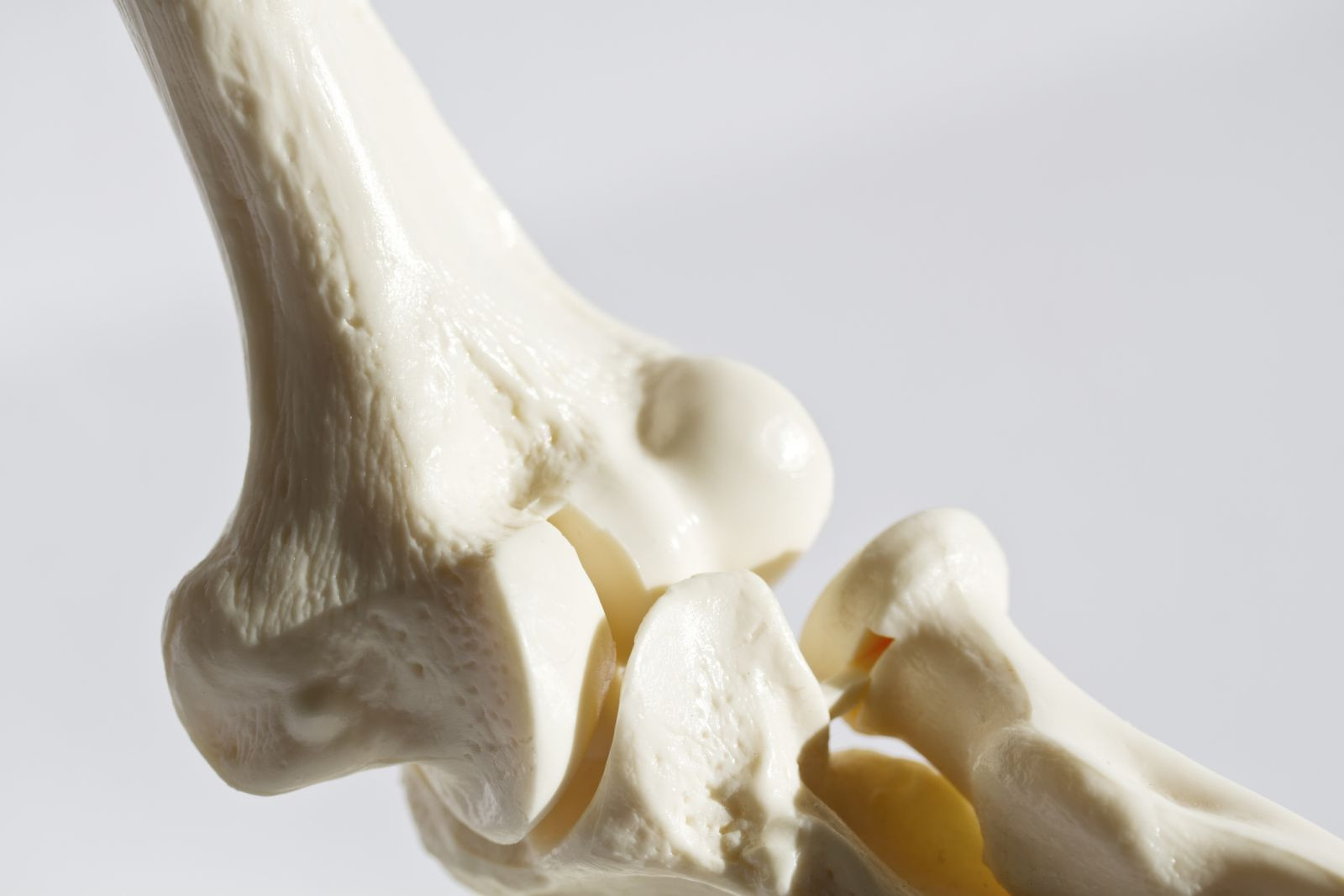
Does osteoporosis cause any symptoms?
Ask the doctors
Q. Is there any way to tell if you are getting osteoporosis? Are there symptoms?
A. Osteoporosis is a disease that causes your bones to become weak and brittle and more likely to break. Unfortunately, you probably won't have any symptoms until the disease is advanced or you actually experience a fracture. However, there are two visible clues of osteoporosis: changes in your posture (such as a hunched-over appearance) and loss of height. Both of these changes may be caused when your spine becomes curved or compressed from weakness or tiny fractures (called compression fractures) in your vertebrae, the small bones that make up your spine.

Is it possible for adults to develop food allergies?
Ask the doctors
Image: © piotr_malczyk/Thinkstock
Q. Can adults develop food allergies, or is this possible only in children?
A. While food allergies are more common in children, adults can, and sometimes do, develop food allergies. You can become allergic to a food you've eaten without a problem for years, or a childhood allergy that disappeared can re-emerge. Certain foods are more likely to trigger allergic reactions than others, such as tree nuts, peanuts, shellfish, milk, and wheat.

Cancer report shows progress, fewer cancer deaths
Research we're watching
Good news on the cancer front: The cancer death rate dropped 35% between 1991 and 2014 among children and 25% in adults, according to the annual American Association for Cancer Research Cancer Progress Report. And more treatments for the disease are on the horizon. The FDA has recently approved nine new cancer treatments and signed off on expanding the uses of eight existing therapies to treat different types of cancer. Among the new treatments are innovative immunotherapeutics, which help some people with cancer live longer with a better quality of life; an imaging agent that will let surgeons more precisely remove brain tumors; and molecularly targeted agents, which take aim at specific molecules that help cancers grow and spread to other areas of the body. It is hoped that these new treatments will further reduce cancer deaths. To read the full report, go to cancerprogressreport.org.
Midlife heart health shows a link with future risk of dementia
Factors that harm your heart may be bad for your brain.
Image: © Nik01ay/Thinkstock
During middle age, factors that leave you prone to a heart attack or stroke — high blood pressure, diabetes, and smoking — may raise your risk of developing dementia a quarter-century later, new research suggests. All three things affect your vascular (blood vessel) health.
The recent study, which adds to the growing evidence linking heart health to brain health, has elements that make findings especially reliable, says Dr. Gad Marshall, a Harvard Medical School assistant professor of neurology. "For understanding the vascular risks for dementia, this study is as close to definitive as we can get," he says.

Artificial sweeteners: No help, possible harm?
Research we're watching
Image: © Highwaystarz-Photography/Thinkstock
Close to a third of Americans say they use artificial sweeteners on a daily basis. Popular examples include aspartame (Equal, NutraSweet), sucralose (Splenda), and stevia (Truvia, Pure Via). They're all available in packets and are also added to soda, yogurt, and other foods.
But do these sugar substitutes actually help you lose weight? New research suggests they do not. In fact, these zero-calorie additives may have the opposite effect — and possibly even increase the risk of high blood pressure, diabetes, and heart disease.

Overcoming resistant hypertension
As men live longer, more face the challenge of difficult-to-control high blood pressure.
Image: © KatarzynaBialasiewicz/Thinkstock
High blood pressure, or hypertension, remains a common health issue for a majority of older men.
In fact, approximately 54% to 67% of men ages 65 and older suffer from the condition, which occurs when your systolic pressure (the top number on a blood pressure reading) is 140 mm Hg or higher, and your diastolic pressure (the bottom number) is 90 mm Hg or higher, according to the American Heart Association.
Laser procedure a possible treatment for eye floaters
In the journals
A common laser treatment may help people with a specific type of eye floater, according to a small study published online July 20, 2017, by JAMA Ophthalmology. Floaters are spots in your vision like black or gray specks, strings, flying bugs, or cobwebs. They become more prevalent with age and occur when the jelly-like substance inside the eyes becomes more liquid, shrinks, and separates from the back wall of the eye.
There are three treatments for floaters: observation, where a floater is monitored for changes (for instance, if it moves away from your central vision or the brain adapts and ignores it); vitrectomy surgery to remove the floater; and YAG vitreolysis, which vaporizes the floater with a laser.
Hip bursitis vs. arthritis: How to tell the difference
Fitness for longevity: Which type matters most?
Ministrokes linked to elevated risk of dementia
Continuous glucose monitors benefit people who don't need insulin
CoQ10: Should you take this popular supplement if you're on a statin?
Microplastics: A hidden health threat?
Oat vs. dairy milk: Nutrition, benefits, and downsides
What is tempeh? Benefits, nutrition, and how to use it
Healing after food poisoning
Whole grains may improve several heart risk factors at once
Free Healthbeat Signup
Get the latest in health news delivered to your inbox!
Sign Up
