

Hip bursitis vs. arthritis: How to tell the difference

Fitness for longevity: Which type matters most?

Ministrokes linked to elevated risk of dementia

Continuous glucose monitors benefit people who don't need insulin

CoQ10: Should you take this popular supplement if you're on a statin?

Microplastics: A hidden health threat?

Oat vs. dairy milk: Nutrition, benefits, and downsides

What is tempeh? Benefits, nutrition, and how to use it

Healing after food poisoning

Whole grains may improve several heart risk factors at once
Diet and nutrition Archive
Articles

Are certain types of sugars healthier than others?
A high intake of sugar is linked to an increased risk of obesity, type 2 diabetes, cardiovascular disease, and certain cancers. But whether some sugars are healthier (or worse) than others remains a question of interest to many.
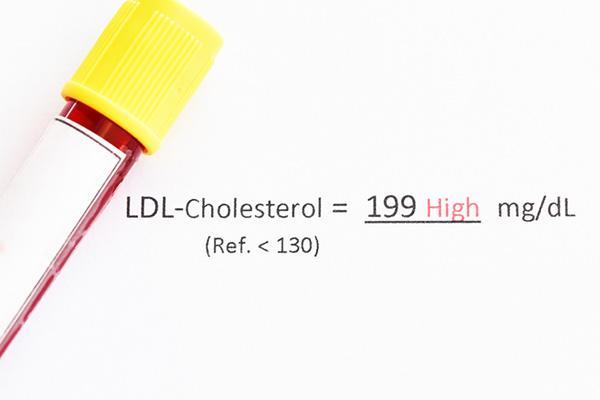
LDL cholesterol: Will it increase on a low-carb or keto diet?
Low-carb diets can have varied effects on LDL cholesterol levels based on a person’s body mass index. In lean people, LDL cholesterol values can rise dramatically, while levels may decline in people with obesity.

How many cups of coffee per day are safe?
Drinking up to five cups of coffee per day is safe for most people and may lower the risk of heart disease and stroke, according to a 2026 statement from the American Heart Association.

Carb cycling: What is it, and does it work?
Carb cycling—alternating high- and low-carb days—may help athletes with fat loss and body composition when paired with structured exercise. But for most everyday exercisers, the regimen likely doesn’t offer benefits over simply following a healthy, balanced diet.
Understanding orthorexia: Have your healthy eating goals gone too far?
Orthorexia is an obsession with “pure” or “clean” eating that goes beyond healthy habits—marked by rigid food rules, anxiety around imperfect eating, and feelings of superiority. Though not a formal diagnosis, it’s treatable with help from a multidisciplinary team that includes various specialists in diet and mental health.
Salmonella, E. coli, Cyclospora, and other germs that cause food poisoning: What you need to know
Bacteria, parasites, and viruses can all cause food poisoning. Proper handling, cooking, and storage of food help reduce the chances of an infection. If you get food poisoning, it usually can be treated at home by replenishing lost fluids and electrolytes.
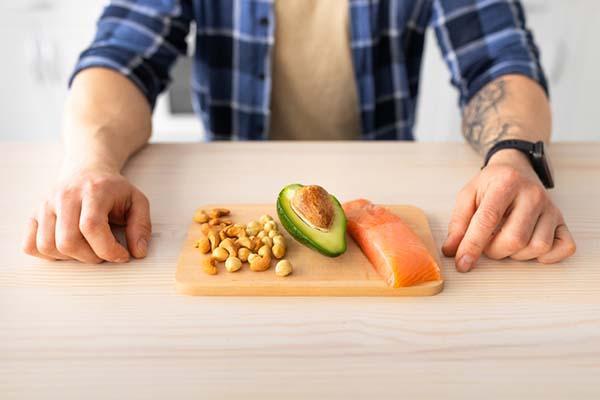
Harvard study: Healthier fats linked to longer life after prostate cancer diagnosis
A major study of survivors of nonmetastatic prostate cancer found that those eating the most saturated fat had a 24% higher risk of death over a 13-year period, mainly from heart disease and other cancers. Swapping animal fats for plant-based, unsaturated fats was linked to significantly lower risks.
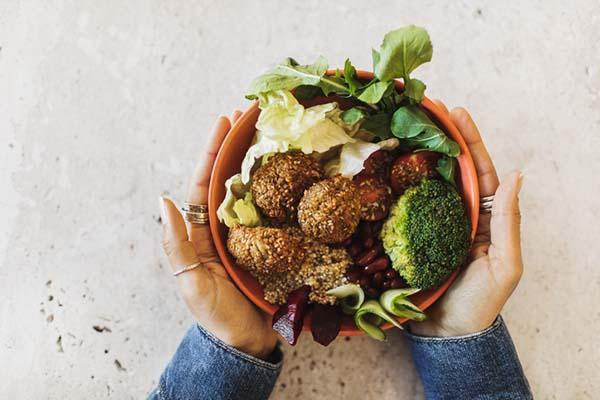
Naturally gluten-free foods
While gluten-free packaged foods offer convenience, whole foods like fruits, vegetables, proteins, dairy, and naturally gluten-free grains often provide better nutrition at lower cost. Building meals around these staples, rather than relying solely on specialty products, makes gluten-free eating easier to sustain.
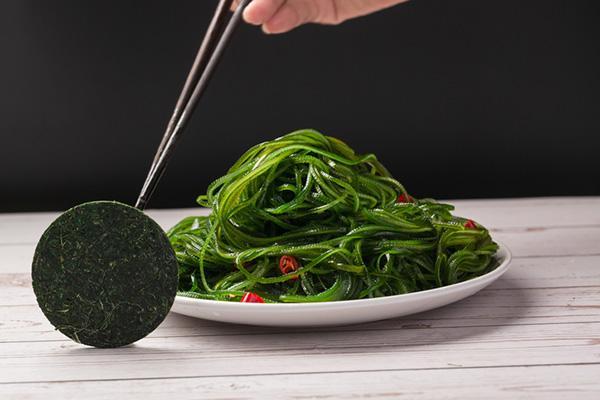
What should people with thyroid nodules know about kelp?
Kelp contains a nutrient that affects thyroid function, making supplement choices important for people with nodules or other thyroid concerns.

Hip bursitis vs. arthritis: How to tell the difference
Fitness for longevity: Which type matters most?
Ministrokes linked to elevated risk of dementia
Continuous glucose monitors benefit people who don't need insulin
CoQ10: Should you take this popular supplement if you're on a statin?
Microplastics: A hidden health threat?
Oat vs. dairy milk: Nutrition, benefits, and downsides
What is tempeh? Benefits, nutrition, and how to use it
Healing after food poisoning
Whole grains may improve several heart risk factors at once
Free Healthbeat Signup
Get the latest in health news delivered to your inbox!
Sign Up
