

Hip bursitis vs. arthritis: How to tell the difference

Fitness for longevity: Which type matters most?

Ministrokes linked to elevated risk of dementia

Continuous glucose monitors benefit people who don't need insulin

CoQ10: Should you take this popular supplement if you're on a statin?

Microplastics: A hidden health threat?

Oat vs. dairy milk: Nutrition, benefits, and downsides

What is tempeh? Benefits, nutrition, and how to use it

Healing after food poisoning

Whole grains may improve several heart risk factors at once
Diet and nutrition Archive
Articles

DASH diet even better for women's hearts
A 2023 study found that the DASH diet, rich in whole grains, lean protein, nuts, low-fat dairy, and fruits and vegetables, may dramatically lower the risk of heart problems in women and Black adults.

Prediabetes: A window of opportunity
About 96 million Americans have prediabetes, defined by elevated blood sugar levels that are not high enough to qualify as diabetes. Risk factors include overweight or obesity, family history, and inactivity. People with prediabetes may have more infections and frequent urination or blurry vision after big meals. Lifestyle changes such as maintaining a healthy weight, exercising, eating healthy foods, drinking alcohol moderately, and not smoking may prevent prediabetes from progressing to diabetes.

A combination of healthy diets linked with longer life
People who follow a combination of healthy diet plans that share similar traits may have a lower risk of death from cardiovascular disease and cancer.

Eating ultra-processed foods tied to cognitive decline
A 2022 study of 11,000 dementia-free people found that middle-aged participants who ate the most junk food had a faster rate (up to 28%) of cognitive decline, compared with those who ate the least junk food.

Salt shakedown: How and why you should eat less sodium
In addition to raising blood pressure, too much salt in the diet can have other detrimental effects on the heart, including damaging the inner layer of blood vessels and altering the body's hormonal and inflammatory response. Following the DASH diet, choosing lower-sodium versions of commonly eaten foods, and skipping the saltshaker can help people eat less salt. To boost flavor without salt, options include salt-free herb and spice blends, lemon or lime zest or juice, and flavored vinegars.

Crucial ways you can support a healthy immune system
There’s no evidence that maintaining a healthy lifestyle will suddenly boost the immune system. However, it’s clear that healthy lifestyle habits contribute to overall health, supporting the body’s ability to fight infections instead of creating new problems. Healthy habits that help maintain a robust immune system include getting seven to nine hours of sleep per night, exercising, reducing stress, eating a healthy diet, not smoking, drinking alcohol only in moderation, maintaining a healthy weight, and getting underlying conditions under control.
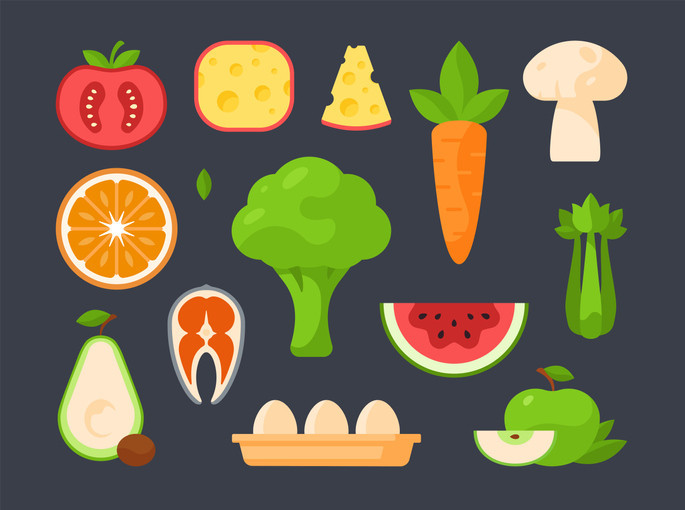
Easy ways to shop for healthful, cost-conscious foods
Healthier eating starts with food shopping, and supermarkets are full of choices that are both nutritious and less so. But trips to a grocery store don't have to feel overwhelming or be budget-blowing; it just takes a little planning, strategy, and thinking ahead.

Let's go nuts
Nuts contain healthy unsaturated fats, protein, and important nutrients like potassium, and there is ample evidence that eating nuts regularly helps protect against heart disease.


The skinny on fatty liver
The body's second largest organ, the liver is responsible for more than 500 bodily functions. One of the liver's greatest threats is nonalcoholic fatty liver disease (NAFLD), an umbrella term that includes several forms of liver disease. Most people with NAFLD have a type known as simple fatty liver. However, up to 20% of people with NAFLD develop inflammation in the liver known as nonalcoholic steatohepatitis (NASH). Left unchecked, this more dangerous form can progress into fibrosis (scarring) and potentially cirrhosis (severe scarring and liver damage). Lifestyle changes, such as weight loss, increasing exercise, and adopting a plant-based diet are the best means to manage and prevent NAFLD.
Hip bursitis vs. arthritis: How to tell the difference
Fitness for longevity: Which type matters most?
Ministrokes linked to elevated risk of dementia
Continuous glucose monitors benefit people who don't need insulin
CoQ10: Should you take this popular supplement if you're on a statin?
Microplastics: A hidden health threat?
Oat vs. dairy milk: Nutrition, benefits, and downsides
What is tempeh? Benefits, nutrition, and how to use it
Healing after food poisoning
Whole grains may improve several heart risk factors at once
Free Healthbeat Signup
Get the latest in health news delivered to your inbox!
Sign Up
