

Hip bursitis vs. arthritis: How to tell the difference

Fitness for longevity: Which type matters most?

Ministrokes linked to elevated risk of dementia

Continuous glucose monitors benefit people who don't need insulin

CoQ10: Should you take this popular supplement if you're on a statin?

Microplastics: A hidden health threat?

Oat vs. dairy milk: Nutrition, benefits, and downsides

What is tempeh? Benefits, nutrition, and how to use it

Healing after food poisoning

Whole grains may improve several heart risk factors at once
Diet and nutrition Archive
Articles
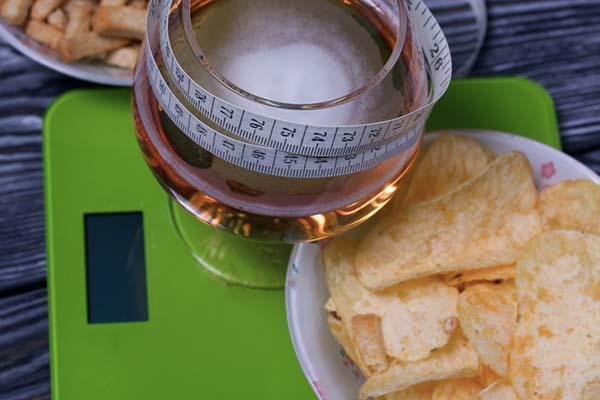
Could your diet be contributing to kidney stones?
Everyday eating and drinking habits may influence kidney stone risk. Explore which foods and beverage choices have the most impact.
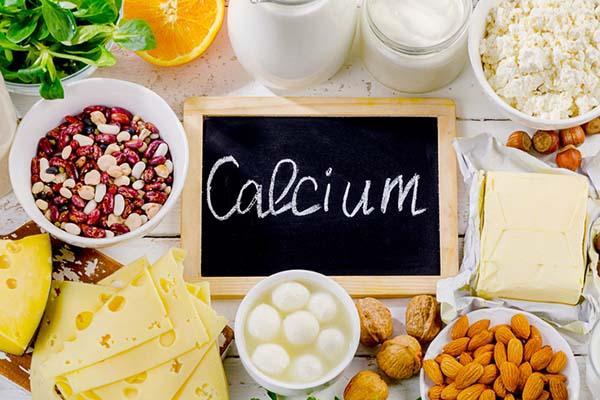
Can too much calcium from food and supplements harm your heart?
High daily calcium from supplements and calcium-rich foods raises concerns about artery buildup, certain cancers, and high blood calcium levels.
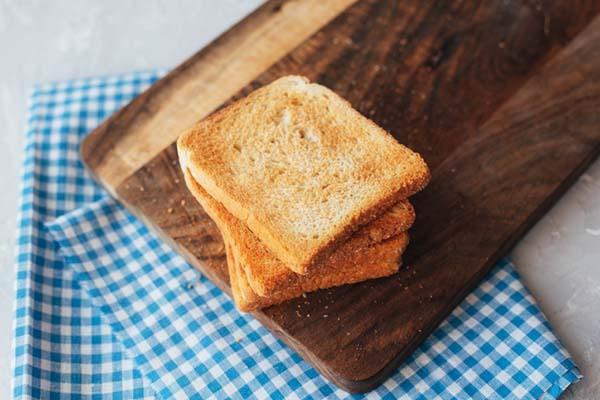
What should you eat after a diverticulitis flare?
Recovering from diverticulitis and unsure about fruits and veggies? See how your diet should change short term and what to focus on long term.
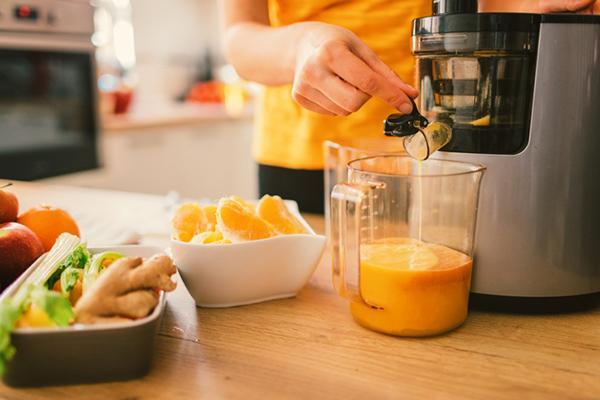
Can juicing help you get more fruits and vegetables?
Juicing can be a helpful way to meet your daily fruit and vegetable goals. While eating whole produce is ideal, a well-made juice offers key nutrients. Aim for mostly vegetables, limit fruit, and choose store-bought juices with no added sugar.

Do carbonated drinks weaken bones or worsen osteoporosis?
Research hints heavy soda consumption may weaken bones, especially in women. See what studies show, why the link is unclear, and steps you can take to protect bone health.
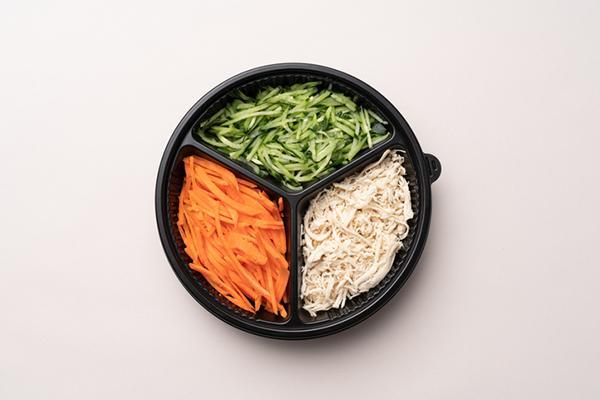
Is food sequencing worth a try?
Food sequencing calls for eating vegetables and protein before carbohydrates to help stabilize blood sugar and control appetite. Research suggests this pattern may reduce blood sugar spikes and lower hunger hormones, and it may naturally lead to eating fewer carbohydrates.
Could bowel troubles after dairy mean irritable bowel syndrome?
Dairy-related diarrhea, constipation, and ongoing gut discomfort may point to irritable bowel syndrome (IBS), lactose intolerance, or another condition.

Can diet changes help manage gallstones to avoid gallbladder surgery?
Gallstones can trigger painful attacks and concern about surgery. See how calorie control and low fat eating might ease symptoms and delay the need for surgery.
What does a healthy, realistic rate of weight loss look like, and why does it matter?
People on a weight-loss regimen should aim to lose 1 to 2 pounds per week, which translates into eating 500 to 750 fewer calories each day than they expend. Losing weight faster often causes excess muscle loss and lowers metabolism, making it harder to burn fat.

Is it healthier to graze throughout the day or eat three meals?
Meal timing matters less than calorie balance and food quality. For some conditions, though, smaller, more frequent portions may offer advantages.
Hip bursitis vs. arthritis: How to tell the difference
Fitness for longevity: Which type matters most?
Ministrokes linked to elevated risk of dementia
Continuous glucose monitors benefit people who don't need insulin
CoQ10: Should you take this popular supplement if you're on a statin?
Microplastics: A hidden health threat?
Oat vs. dairy milk: Nutrition, benefits, and downsides
What is tempeh? Benefits, nutrition, and how to use it
Healing after food poisoning
Whole grains may improve several heart risk factors at once
Free Healthbeat Signup
Get the latest in health news delivered to your inbox!
Sign Up
