

Hip bursitis vs. arthritis: How to tell the difference

Fitness for longevity: Which type matters most?

Ministrokes linked to elevated risk of dementia

Continuous glucose monitors benefit people who don't need insulin

CoQ10: Should you take this popular supplement if you're on a statin?

Microplastics: A hidden health threat?

Oat vs. dairy milk: Nutrition, benefits, and downsides

What is tempeh? Benefits, nutrition, and how to use it

Healing after food poisoning

Whole grains may improve several heart risk factors at once
Ear, nose, and throat Archive
Articles

Does sneezing when I step into the sunlight mean I'm allergic to it?
Sudden bursts of sneezing in bright light can seem like an odd "sun allergy." Explore what's happening in the nerves that link your eyes and nose.

What could cause a swollen tongue?
Tongue swelling can stem from drug reactions, infections, vitamin deficits, thyroid issues, or rare disorders. Learn which clues help sort out the cause.

What can I do to stop postnasal drip?
A constant drip in the back of your throat isn’t always from a cold. Saline rinses, humid air, and cautious decongestant use may all help put an end to postnasal drip.

Is losing sense of smell a normal part of aging?
A fading sense of smell is common with age but can signal other problems. Learn when to seek testing and which treatable issues may be involved.

Why have I lost my sense of taste?
Diminished flavor can stem from aging, nasal issues, infections, or certain blood pressure drugs. Small medication tweaks and habits may help restore it.

Remedies for motion sickness: What works?
Motion sickness is tricky to treat. Gadgets such as wristbands and special glasses may help, but their reported benefits may be due to the placebo effect. Several drugs, including a new one that curbs vomiting, are available.


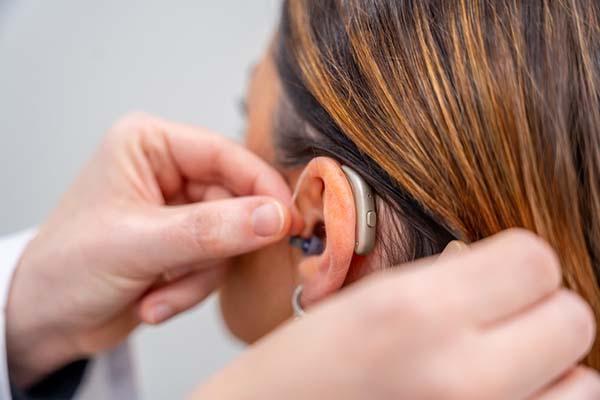
People with diabetes face higher risk of hearing loss
A 2025 analysis found hearing loss in 41% to 72% of people with diabetes, which was, on average, more than four times as often as in people without diabetes. People whose diabetes was less well controlled had greater hearing loss. Diabetes lasting 10 years or more doubled the risk.

Ototoxic drugs: Medications that may harm hearing
The term ototoxicity describes inner ear damage from drugs that can cause tinnitus (ringing in the ears), and affect hearing and sometimes balance. Medications more likely to cause ototoxicity include aspirin; the antibiotics azithromycin and clarithromycin; certain chemotherapy drugs; loop diuretics such as furosemide (Lasix); and some biologics. These drugs can damage hearing by injuring hairlike projections in the inner ear. People taking ototoxic drugs should get their hearing tested before, during, and after using the drug.
Hip bursitis vs. arthritis: How to tell the difference
Fitness for longevity: Which type matters most?
Ministrokes linked to elevated risk of dementia
Continuous glucose monitors benefit people who don't need insulin
CoQ10: Should you take this popular supplement if you're on a statin?
Microplastics: A hidden health threat?
Oat vs. dairy milk: Nutrition, benefits, and downsides
What is tempeh? Benefits, nutrition, and how to use it
Healing after food poisoning
Whole grains may improve several heart risk factors at once
Free Healthbeat Signup
Get the latest in health news delivered to your inbox!
Sign Up
