

Hip bursitis vs. arthritis: How to tell the difference

Fitness for longevity: Which type matters most?

Ministrokes linked to elevated risk of dementia

Continuous glucose monitors benefit people who don't need insulin

CoQ10: Should you take this popular supplement if you're on a statin?

Microplastics: A hidden health threat?

Oat vs. dairy milk: Nutrition, benefits, and downsides

What is tempeh? Benefits, nutrition, and how to use it

Healing after food poisoning

Whole grains may improve several heart risk factors at once
Ear, nose, and throat Archive
Articles
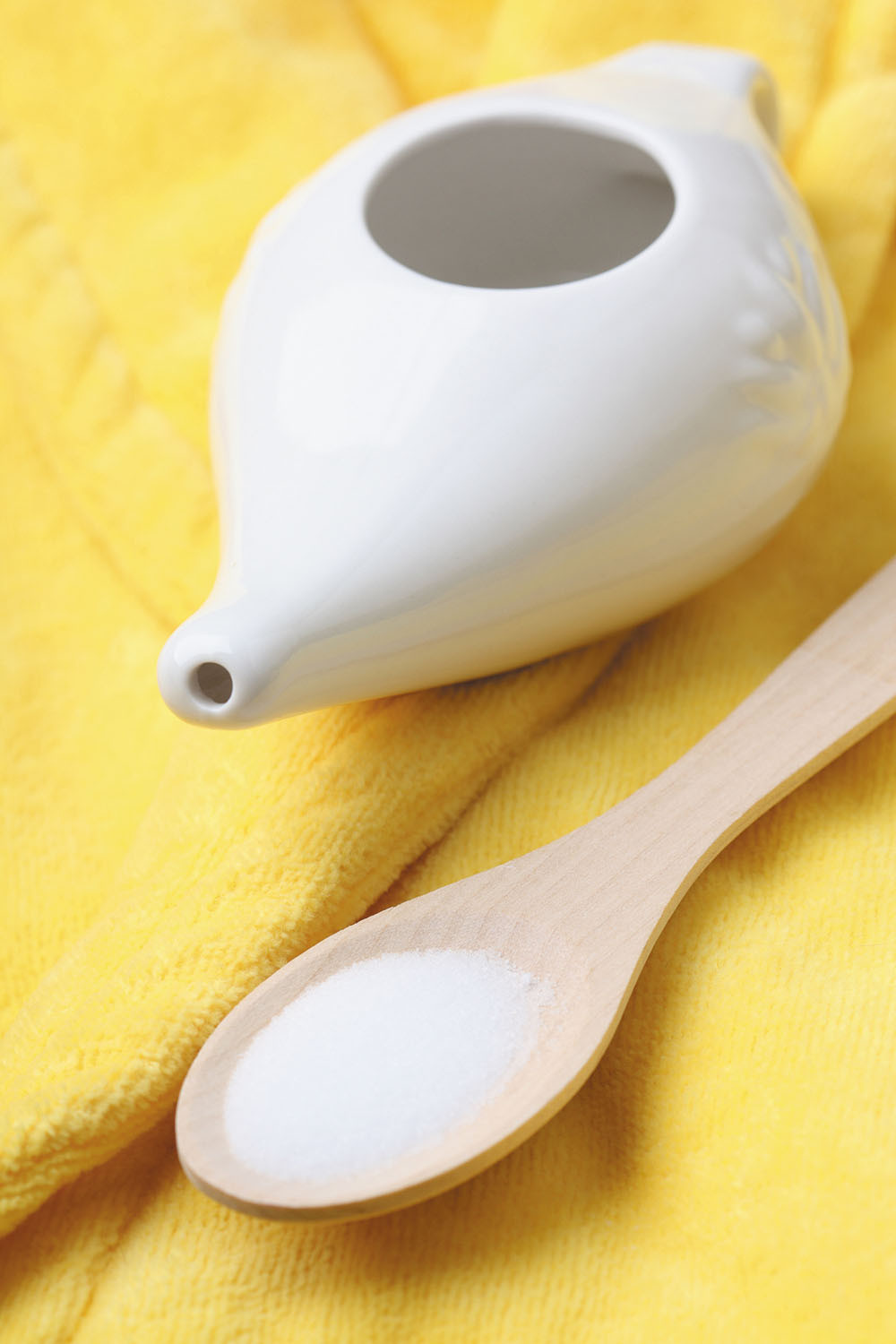
Try this: The nose knows about nasal rinses
Rinsing your nasal cavity with a saline solution using a neti pot or small ball syringe can be a simple and inexpensive way to find relief from common sinus problems.

Hearing aids: Can they help thinking skills, too?
A 2022 review of dozens of randomized controlled trials and observational studies found that people who used hearing aids or cochlear implants had a 19% lower risk of cognitive decline, compared with people who didn't use the devices.

Over-the-counter hearing aids: What we know so far
Over-the-counter hearing aids are now available in stores and online. They're regulated by the FDA, they don't require a prescription from a doctor, and they're cheaper than prescription hearing aids. But over-the-counter devices are not right for everyone. They're meant only for adults with perceived mild to moderate hearing loss. Before buying a pair, a person should do some homework to find devices with the right fit and features, including a trial period that allows the buyer to return them if they aren't working out.

Seeing a surgeon?
A pre-surgery consultation with the surgeon can feel overwhelming. Many people are anxious and have questions about what's to come. Setting the right expectations on both sides can ease anxiety and help define a successful outcome.

Want to reduce your risk of dementia? Get your hearing checked today
Dementia occurs more often among older people with higher levels of hearing loss than among those with normal hearing. A new study found that wearing hearing aids reduced the risk for dementia in people who had significant hearing loss.

Do you pass the hearing test?
Approximately one in three people ages 65 to 74 has hearing loss, and nearly half of those older than 75 have difficulty hearing. Getting a hearing test is recommended to identify any hearing loss before it worsens and prescribe a hearing aid if needed. While hearing aids are traditionally expensive, new over-the-counter devices can make them more affordable for people with mild or moderate hearing loss.

Bothered by a stuffed-up nose?
Several problems can block the passages on one or both sides of the nose. For example, allergies can inflame sensitive tissue inside the nose, reducing the space left for air to flow through nasal passages; a crooked wall (septum) separating the passages of the nose can block airflow, making it hard to breathe; and aging can cause tissues in the nose to sag, which can narrow nasal passages. Strategies to open nasal passages depend on the cause of obstruction. Treatments range from using nasal sprays to widening nasal passages with surgery.

Should you get an over-the-counter hearing aid?
New regulations allow Americans to buy hearing aids over the counter, without requiring a hearing test. These devices will cost less and can only treat mild to moderate hearing loss--will they be right for you?

Can you hear me now?
An estimated 30 million Americans experience some level of hearing loss, but only about 20% of them seek hearing aids. Many people can't accept they can't hear well, or won't act on symptoms. People should seek help if they have trouble hearing conversations, TV, and other sounds, and should see a doctor quickly if they have hearing loss in only one ear, pain, ear drainage, or vertigo. Visits with an audiologist and otolaryngologist (ear, nose, and throat doctor) are typically needed to get prescription hearing aids. Over-the-counter hearing aids are expected to be available online and in stores starting in late 2022.

Over-the-counter hearing aids are finally available
In August 2022, the FDA approved a new category of safe, regulated hearing aids to be sold over the counter. The devices are meant only for people with perceived mild-to-moderate hearing loss who need to amplify the volume of sounds around them.
Hip bursitis vs. arthritis: How to tell the difference
Fitness for longevity: Which type matters most?
Ministrokes linked to elevated risk of dementia
Continuous glucose monitors benefit people who don't need insulin
CoQ10: Should you take this popular supplement if you're on a statin?
Microplastics: A hidden health threat?
Oat vs. dairy milk: Nutrition, benefits, and downsides
What is tempeh? Benefits, nutrition, and how to use it
Healing after food poisoning
Whole grains may improve several heart risk factors at once
Free Healthbeat Signup
Get the latest in health news delivered to your inbox!
Sign Up
