

Hip bursitis vs. arthritis: How to tell the difference

Fitness for longevity: Which type matters most?

Ministrokes linked to elevated risk of dementia

Continuous glucose monitors benefit people who don't need insulin

CoQ10: Should you take this popular supplement if you're on a statin?

Microplastics: A hidden health threat?

Oat vs. dairy milk: Nutrition, benefits, and downsides

What is tempeh? Benefits, nutrition, and how to use it

Healing after food poisoning

Whole grains may improve several heart risk factors at once
Eating for heart health Archive
Articles
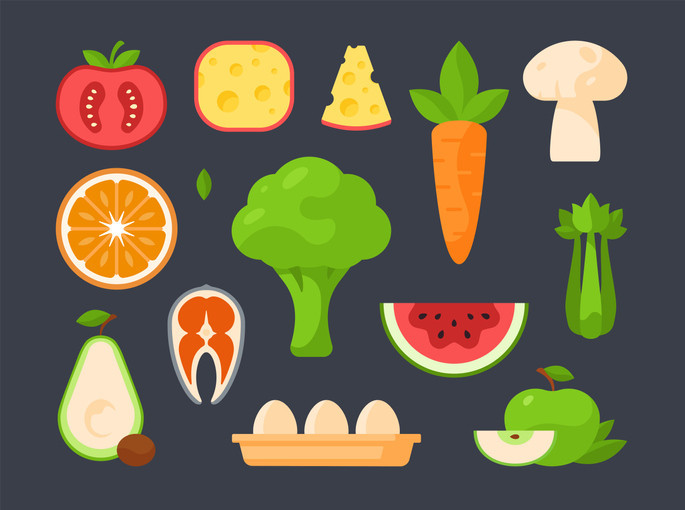
Easy ways to shop for healthful, cost-conscious foods
Healthier eating starts with food shopping, and supermarkets are full of choices that are both nutritious and less so. But trips to a grocery store don't have to feel overwhelming or be budget-blowing; it just takes a little planning, strategy, and thinking ahead.


Let's go nuts
Nuts contain healthy unsaturated fats, protein, and important nutrients like potassium, and there is ample evidence that eating nuts regularly helps protect against heart disease.

Energy-boosting coffee alternatives: What to know
Beverages that promise similar energy perks and health benefits as coffee and tea are growing in popularity. Often marketed as wellness drinks, how do these alternatives stack up nutritionally?

Low-carb diet helps cut blood sugar levels in people with prediabetes
A recent study suggests that following a low-carb diet may quickly reduce A1C levels in people with prediabetes. Such a rigorous approach to eating may not be realistic, but cutting even some carbs may lead to weight loss and lower blood sugar.

When replenishing fluids, does milk beat water?
An ad campaign sponsored by the milk industry claims that milk is better than water for hydration. A few studies appear to support the claim, but they involved a small number of subjects and have important limitations.

Steak and burger substitutes to satisfy a carnivore
Plant-based meat alternatives (PBMAs) might be safe to eat — in moderation — as a replacement for red meat in the diet. The best options are PBMAs that have the fewest ingredients and lowest levels of salt and saturated fat. PBMAs shouldn't be paired with unhealthy foods, such as French fries, soda, or refined grains (white bread or buns). Other substitutes for red meat include vegetables and legumes, such as a large portabella mushroom cap, homemade bean burger, or thick slice of eggplant or cauliflower.
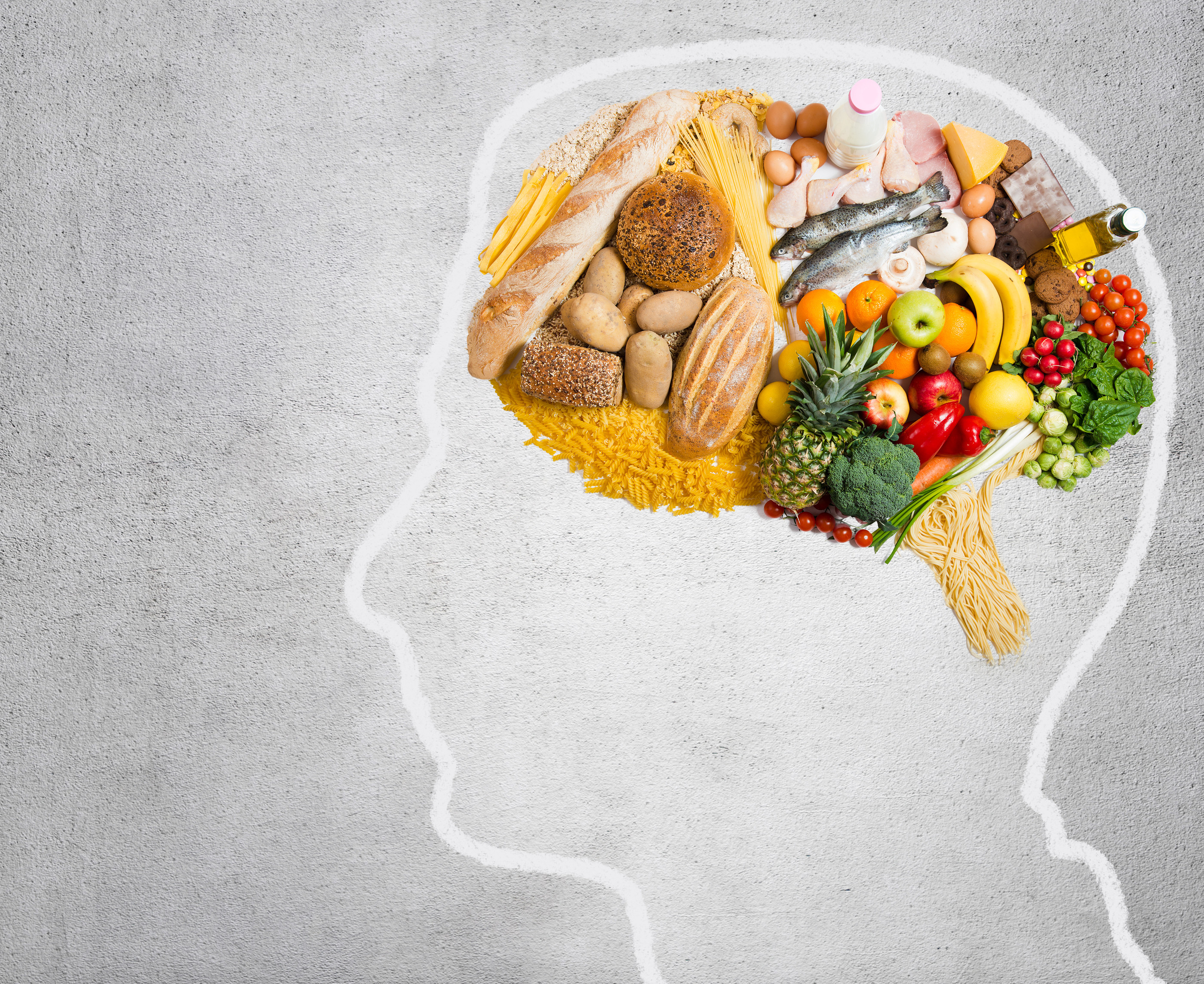

Ketogenic diet: Is the ultimate low-carb diet good for you?
While there may be valid reasons to follow a ketogenic diet in the short term (weight loss, blood sugar control), it's difficult to maintain and could cause other health issues.

Hip bursitis vs. arthritis: How to tell the difference
Fitness for longevity: Which type matters most?
Ministrokes linked to elevated risk of dementia
Continuous glucose monitors benefit people who don't need insulin
CoQ10: Should you take this popular supplement if you're on a statin?
Microplastics: A hidden health threat?
Oat vs. dairy milk: Nutrition, benefits, and downsides
What is tempeh? Benefits, nutrition, and how to use it
Healing after food poisoning
Whole grains may improve several heart risk factors at once
Free Healthbeat Signup
Get the latest in health news delivered to your inbox!
Sign Up
