

Hip bursitis vs. arthritis: How to tell the difference

Fitness for longevity: Which type matters most?

Ministrokes linked to elevated risk of dementia

Continuous glucose monitors benefit people who don't need insulin

CoQ10: Should you take this popular supplement if you're on a statin?

Microplastics: A hidden health threat?

Oat vs. dairy milk: Nutrition, benefits, and downsides

What is tempeh? Benefits, nutrition, and how to use it

Healing after food poisoning

Whole grains may improve several heart risk factors at once
Eating for heart health Archive
Articles
The 10 rules of a heart-healthy diet
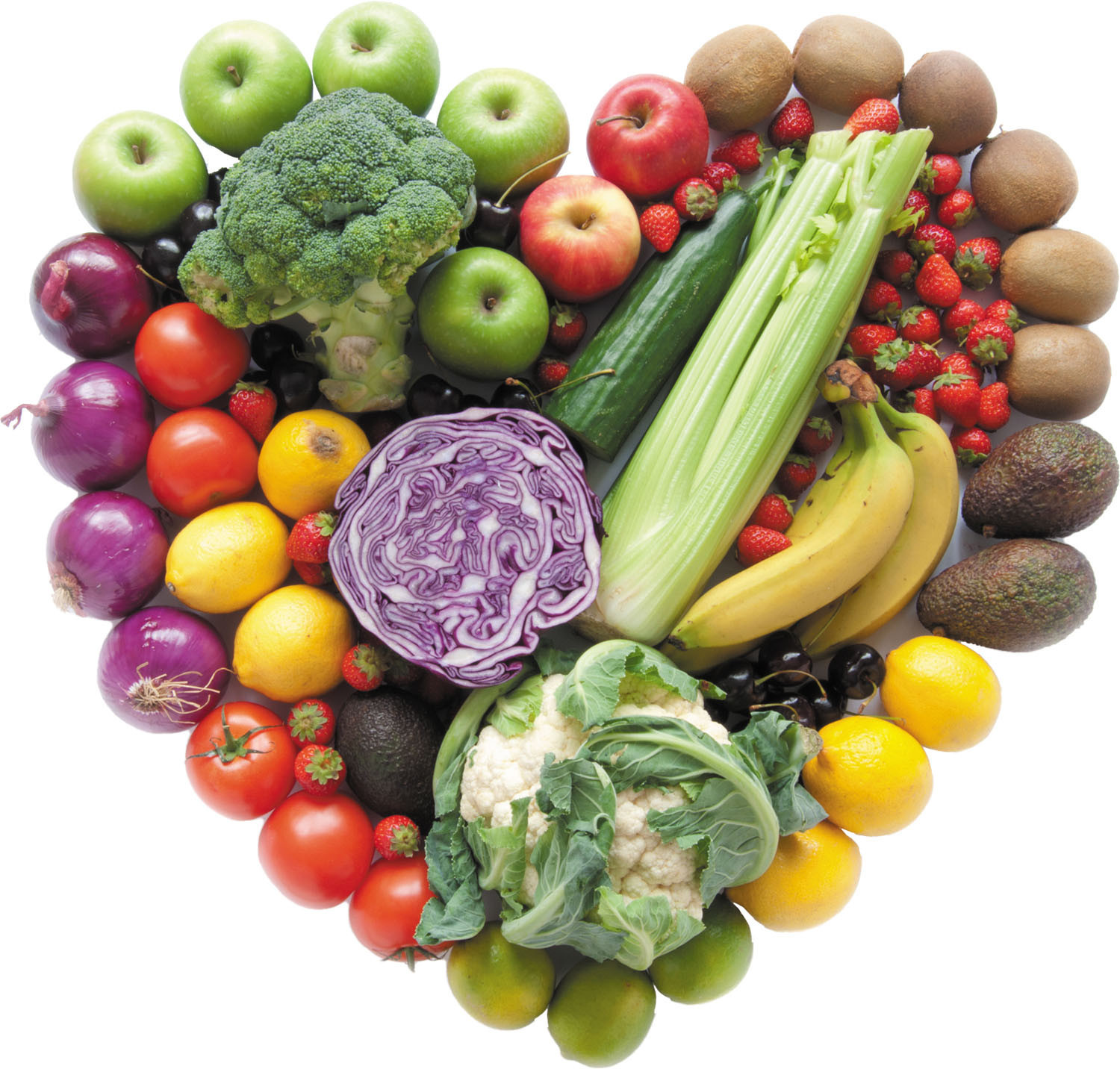
The American Heart Association released updated dietary guidelines in November 2021. Instead of focusing on certain nutrients, the guidelines emphasize healthy eating patterns that include fruits, vegetables, whole grains, plant-based proteins, and plant-based oils. The guidelines also urge people to avoid foods and drinks that are ultra-processed or that have lots of added sugars; to choose or prepare foods with little or no salt; to limit alcohol consumption; and to follow the rules for a heart-healthy diet no matter what the setting.


Scoring highly on Alternative Healthy Eating Index lowers risk for many illnesses
Should you take probiotics?
Probiotics can be helpful in some cases, but it's unclear whether they are safe for all older adults.

A healthier butter for your heart?
Naturally occurring plant compounds called stanols can help reduce cholesterol. But they may not be found in large enough amounts in butter substitutes to reduce cholesterol levels in the body. The best way to lower is cholesterol is still by eating a plant-based diet with more fruits and vegetables and less processed foods, reducing consumption of saturated fat, and working to maintain a healthy weight.

An anti-inflammatory diet may be good for your joints
Research shows that a diet rich in anti-inflammatory foods, such as fruits and vegetables, healthy oils, and whole grains, may help prevent some joint problems, such as gout or even osteoarthritis. The benefit is less pronounced if a person has joint problems already. Diet cannot reverse joint problems completely, but it may help with disease management in combination with other treatments.

Why is eating healthy so hard?
Many people still struggle with healthy eating, even though they know the basic guidelines to follow. This often is due to misperceptions that following a healthy diet is too difficult and too expensive. Making small changes in one's diet can help many people change their attitude about healthier eating and make it easier to embrace.

Impossible and Beyond: How healthy are these meatless burgers?

Coffee and your blood pressure

In search of a milk alternative
People who are unable to or don't want to drink cow's milk have alternatives, such as milks made from grains, nuts, and soy.
Hip bursitis vs. arthritis: How to tell the difference
Fitness for longevity: Which type matters most?
Ministrokes linked to elevated risk of dementia
Continuous glucose monitors benefit people who don't need insulin
CoQ10: Should you take this popular supplement if you're on a statin?
Microplastics: A hidden health threat?
Oat vs. dairy milk: Nutrition, benefits, and downsides
What is tempeh? Benefits, nutrition, and how to use it
Healing after food poisoning
Whole grains may improve several heart risk factors at once
Free Healthbeat Signup
Get the latest in health news delivered to your inbox!
Sign Up
