

Hip bursitis vs. arthritis: How to tell the difference

Fitness for longevity: Which type matters most?

Ministrokes linked to elevated risk of dementia

Continuous glucose monitors benefit people who don't need insulin

CoQ10: Should you take this popular supplement if you're on a statin?

Microplastics: A hidden health threat?

Oat vs. dairy milk: Nutrition, benefits, and downsides

What is tempeh? Benefits, nutrition, and how to use it

Healing after food poisoning

Whole grains may improve several heart risk factors at once
Emotional and mental well-being Archive
Articles


A muscle-building obsession in boys: What to know and do
Muscle dysmorphia is a preoccupation with a muscular and lean physique that is more pervasive in boys. Learn the signs of body dysmorphia as well as ways to encourage positive body image.

Why do I shrink in height as I age?
Around age 40, most people lose some height, and the decline accelerates with age. This "shrinkage" can be slowed by preventing osteoporosis and improving posture. Getting enough calcium and vitamin D can help increase bone density, and exercises for the back and abdominal muscles can help with posture.

Building better muscle
Men tend to lose as much as 3% to 5% of their muscle mass per decade after age 30, and the muscle-building hormone testosterone gradually declines after age 40. This makes it harder for men to build and maintain muscle as they age. One solution is a well-designed weight training program. Workouts should focus on all major muscles, but men should pay extra attention to leg muscles, which they rely on more for everyday movements as they age.

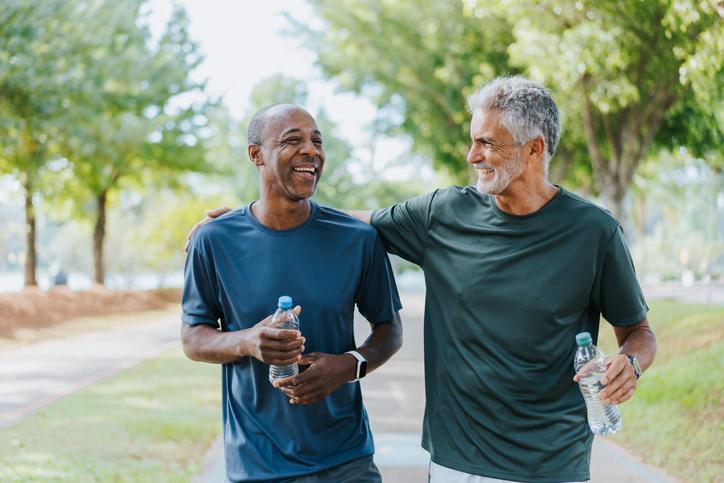
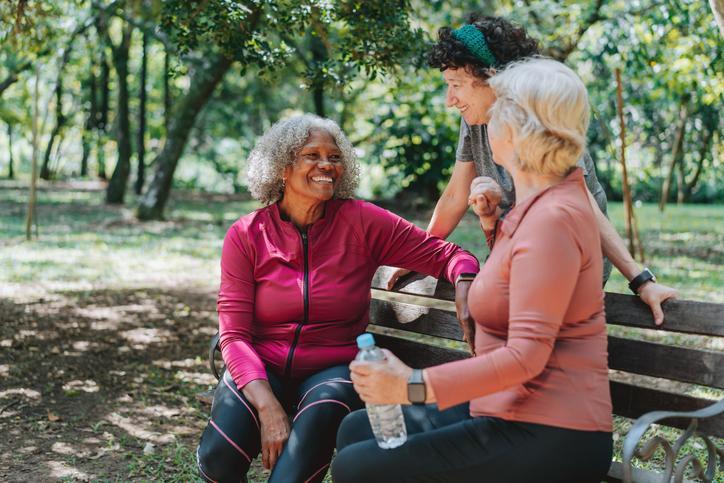
The third-space benefits of exercise
Third spaces are physical locations outside the home and work where people meet and socialize with other individuals. Add in a fitness component—gyms, exercise classes, walking groups—and the mental and physical health benefits multiply.

How can technology help people manage their health between — and during — doctor visits?
Data from apps or wearable devices can help people spot patterns, track changes, and notice potential problems earlier—information that’s valuable both between and during clinician appointments.


Hip bursitis vs. arthritis: How to tell the difference
Fitness for longevity: Which type matters most?
Ministrokes linked to elevated risk of dementia
Continuous glucose monitors benefit people who don't need insulin
CoQ10: Should you take this popular supplement if you're on a statin?
Microplastics: A hidden health threat?
Oat vs. dairy milk: Nutrition, benefits, and downsides
What is tempeh? Benefits, nutrition, and how to use it
Healing after food poisoning
Whole grains may improve several heart risk factors at once
Free Healthbeat Signup
Get the latest in health news delivered to your inbox!
Sign Up
