

Hip bursitis vs. arthritis: How to tell the difference

Fitness for longevity: Which type matters most?

Ministrokes linked to elevated risk of dementia

Continuous glucose monitors benefit people who don't need insulin

CoQ10: Should you take this popular supplement if you're on a statin?

Microplastics: A hidden health threat?

Oat vs. dairy milk: Nutrition, benefits, and downsides

What is tempeh? Benefits, nutrition, and how to use it

Healing after food poisoning

Whole grains may improve several heart risk factors at once
Energy and Fatigue Archive
Articles

A small amount of weekly exercise may reduce depression symptoms in people with chronic illness
A 2025 analysis found that people with chronic illnesses, who are highly susceptible to depression and whose conditions often make activity difficult, may need a relatively small amount of weekly exercise to ease depression.
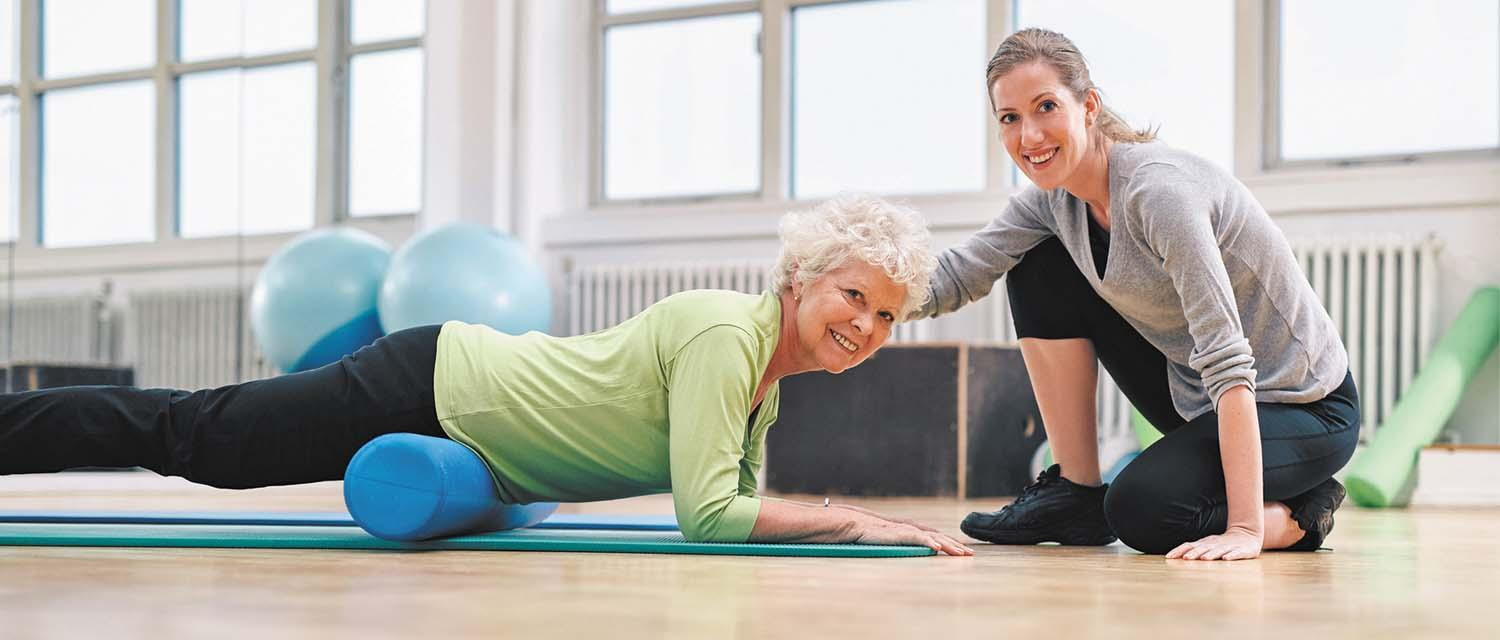
Foam rollers: Inexpensive tools with premium payoffs
A foam roller is a cylinder made of foam. When the tool is used properly, it can help reduce tension in muscles and other soft tissue. Foam rolling also helps increase flexibility, especially when used as a warm-up before exercise.


Walking for wellness: Quick jaunts versus long treks
Physical activity improves physical and mental health, and walking is the simplest way to stay active. Walking for more than 10 minutes at a time may offer extra benefits, but all movement counts. For people over 60, 6,000 to 8,000 steps a day are optimal, regardless of walking speed.

Exercise may lower risk of premature death among people with diabetes
A 2025 study suggested that people with diabetes who exercise regularly or in a "weekend warrior" pattern are significantly less likely to die earlier than peers who are inactive.
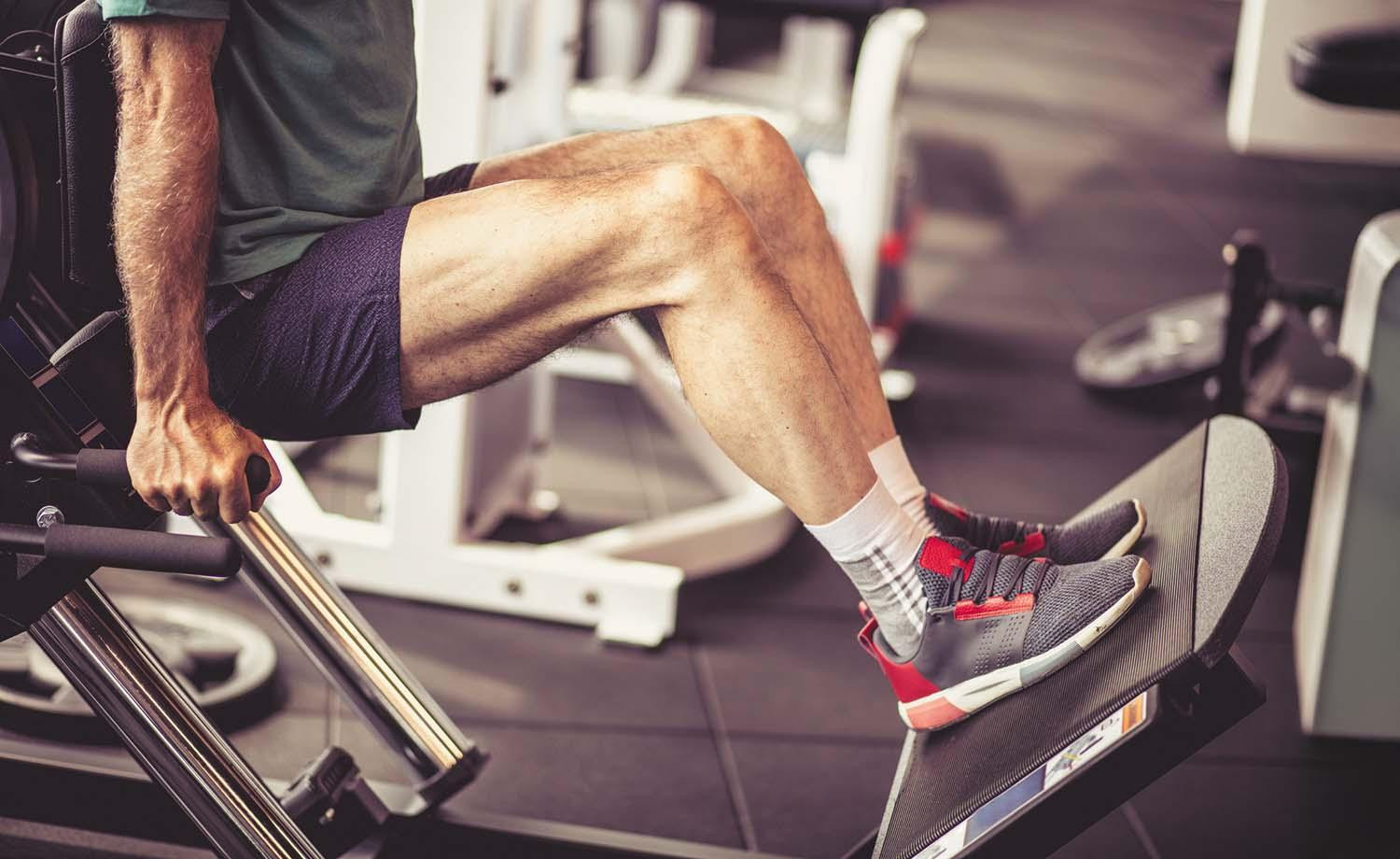
Building stronger legs
Leg strength becomes even more vital as people age, as the legs are essential for routine movements such as going up and down stairs, sitting and rising from chairs, bending over and standing up, and protecting against falls. The main leg muscles are gluteals, quadriceps, hamstrings, and calves. Some exercises that can help strengthen these muscles are bridges, step-ups, and heel raises.
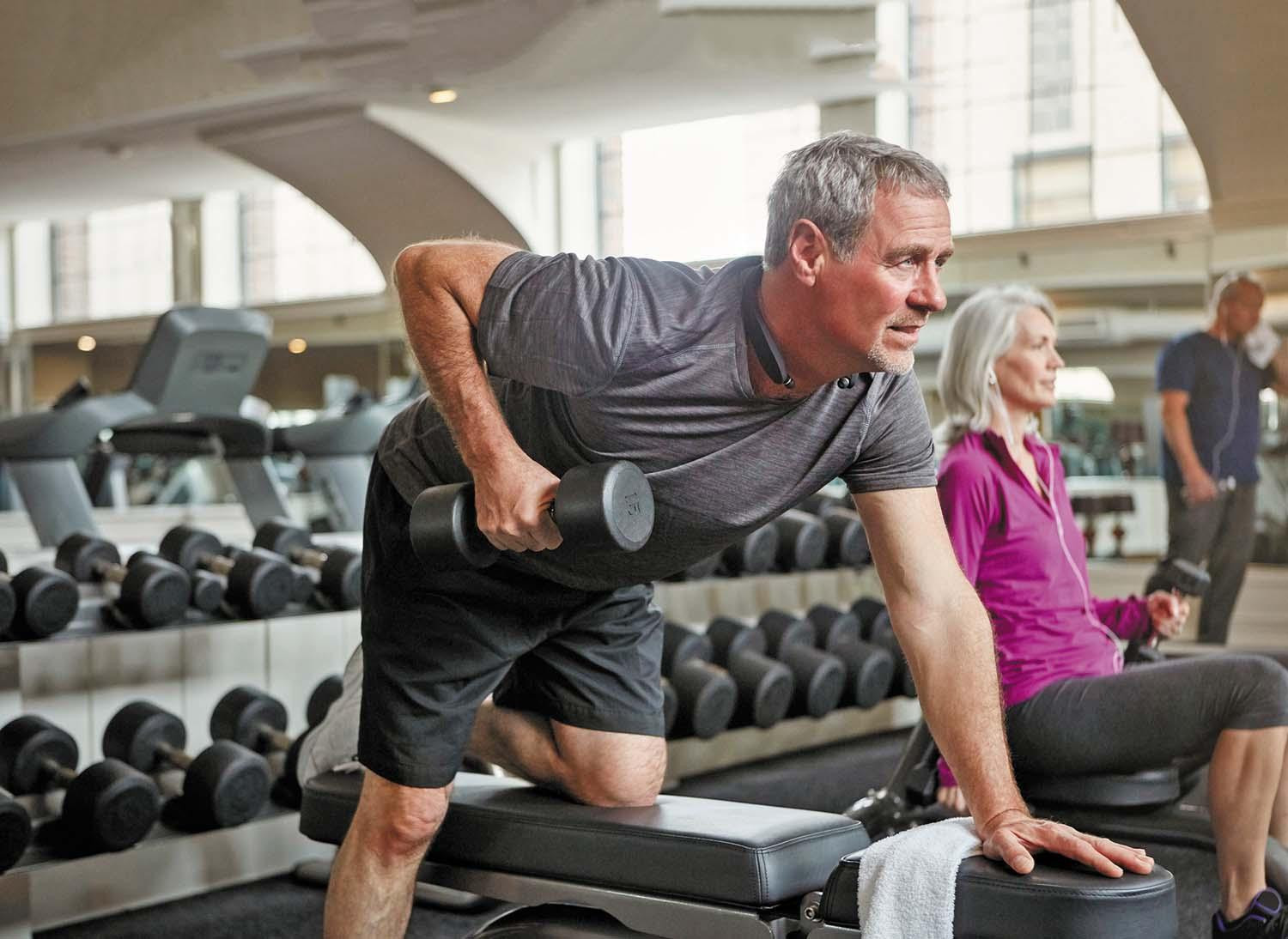
6 mistakes that sabotage your workout
Simple mistakes can undermine an exercise regimen. Some errors can lead to muscle injury, such as skipping a warm-up before a workout, slouching while exercising, cramming too much into a single exercise session, lifting too much weight, and working the same muscle groups every day without allowing them to rest properly. Another big mistake is not staying properly hydrated, which can be tough on the heart and muscles. To avoid mistakes, it might help to work with a physical therapist or personal trainer.
A modest level of physical activity may help protect women from health risks
According to a 2025 study, women who walked at least 4,000 steps per day once or twice a week had a lower risk of cardiovascular disease and early death compared with women who did not reach this threshold.
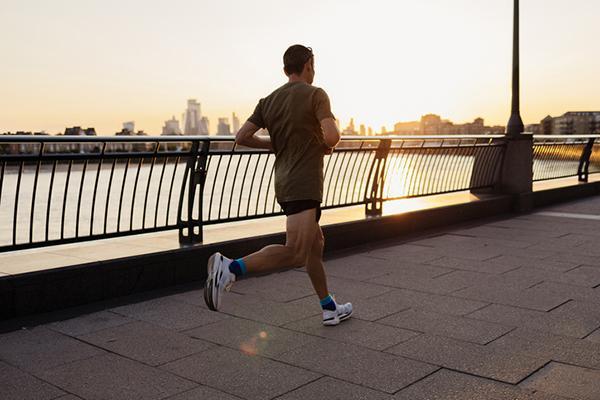
Does exercising in the evening affect sleep?
Research suggests that people can exercise in the evening without it affecting their sleep if they avoid physical activity several hours before bedtime.
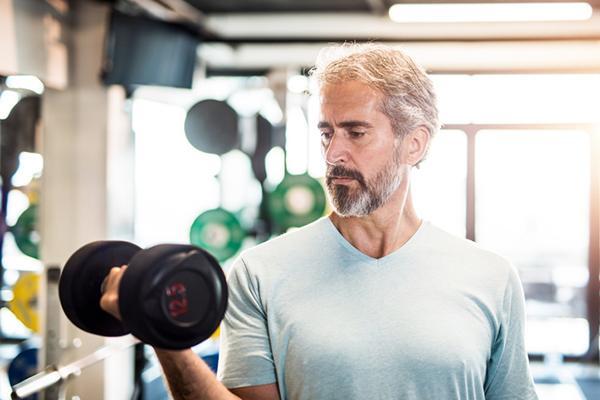
Go slower for strength training gains
A form of strength training called time under tension (TUT)focuses on the amount of time muscles are activated during an exercise rather than the number of repetitions or amount of weight. TUT forces people to use a slower tempo and controlled movements when exercising, which keeps the muscles engaged longer, helping to stimulate muscle growth. TUT can be applied to practically any type of strength training exercise, including free weights and gym machines.
Hip bursitis vs. arthritis: How to tell the difference
Fitness for longevity: Which type matters most?
Ministrokes linked to elevated risk of dementia
Continuous glucose monitors benefit people who don't need insulin
CoQ10: Should you take this popular supplement if you're on a statin?
Microplastics: A hidden health threat?
Oat vs. dairy milk: Nutrition, benefits, and downsides
What is tempeh? Benefits, nutrition, and how to use it
Healing after food poisoning
Whole grains may improve several heart risk factors at once
Free Healthbeat Signup
Get the latest in health news delivered to your inbox!
Sign Up
