

Hip bursitis vs. arthritis: How to tell the difference

Fitness for longevity: Which type matters most?

Ministrokes linked to elevated risk of dementia

Continuous glucose monitors benefit people who don't need insulin

CoQ10: Should you take this popular supplement if you're on a statin?

Microplastics: A hidden health threat?

Oat vs. dairy milk: Nutrition, benefits, and downsides

What is tempeh? Benefits, nutrition, and how to use it

Healing after food poisoning

Whole grains may improve several heart risk factors at once
Headache and migraine Archive
Articles

4 ways to turn good posture into less back pain
Most of us get back pain at some point in our lives. It may be due to a sports-related injury, an accident, or a congenital condition such as scoliosis. But most of the time, upper or lower back pain develops during the course of day-to-day life. Repetitive activities at work or home, such as sitting at a computer or lifting and carrying, may produce tension and muscle tightness that result in a backache. One solution to preventing back pain is to improve posture.
In addition to improving your posture, general physical fitness and a healthy weight are important are important, too. But the surprisingly simple act of paying attention to improving your posture can go a long way.

Babying your back may delay healing
Exercise and movement may be the best medicine for back pain.
You might be considering surgery or other intervention to treat your back pain. But less may actually be more for this common problem, and in many instances the best medicine is good old-fashioned movement and exercise.
The enigma of back pain
Back pain is one of the most common medical problems in the United States, according to the National Institutes of Health. It's also a little strange as far as ailments go.

What new opioid laws mean for pain relief
Dozens of states are cracking down on the amount of opioids doctors can prescribe.
Image: © Darwin Brandis/Getty Images
Overdoses of powerful painkillers called opioids kill more than 115 people per day in the United States. More than 42,000 people died from opioids in 2016, five times more than in 1999. The reason? Since several of these powerful painkillers became available in pill form several decades ago, doctors have been prescribing more than patients need. "It is estimated that a large part of leftover opioids are diverted to the street, either deliberately or through theft," says Dr. Edgar Ross, senior clinician at the Pain Management Center at Harvard-affiliated Brigham and Women's Hospital.
The misuse of opioids is a risk many states are no longer willing to take. The rules limit the amounts that medical professionals can prescribe for temporary (acute) pain from surgery, injury, or illness.



Doctors’ pain pill prescribing habits at odds with current guidelines
Research we're watching
Doctors have been overprescribing opioids for chronic musculoskeletal pain, according to a December 2019 study in The Journal of Pain. Researchers looking at data from a survey conducted between 2007 and 2015 found that doctors more often prescribed pills, either non-opioid or opioid, rather than physical therapy, counseling, or other nondrug interventions — a practice that is directly at odds with what experts now recommend, including those in the CDC Guideline for Prescribing Opioids for Chronic Pain. At their first visit with the doctor, people were most often prescribed non-opioid painkillers (40.2%) or opioids (21.5%), followed by counseling, nonpharmacological treatments, and physical therapy. Study authors say this shows there is room for improvement through education. However, it's worth noting that the time period studied (2007 through 2015) preceded much of the recent work and advocacy aimed at reducing prescriptions of opioids.
Image: © robeo/Getty Images

Can alternative treatments help with painful fibroids?
Ask the doctors
Q. I have uterine fibroids and am experiencing some pain and discomfort from them. Are there any alternative treatments that I can use to help manage my symptoms?
A. If you are experiencing anemia, severe pain, or difficulty with urinating that may be due to fibroids, it's important to seek the advice of a doctor. However, there are some pain management options other than medications or surgery that may help relieve symptoms related to fibroids. These strategies haven't been proven to relieve pain from fibroids, but The National Center for Complementary and Integrative Health, in a 2017 review of complementary approaches to chronic pain, found they have some promise in helping other types of chronic pain, specifically lower back pain. These include acupuncture, an alternative medicine treatment that uses small needles applied at specific sites on the body to relieve chronic pain; yoga, a type of low-impact exercise that includes a series of postures and breathing techniques; relaxation techniques, such as deep breathing and mindfulness (a practice that encourages staying focused on the present moment); tai chi, originally practiced as a form of self-defense, which incorporates slow, deliberate movements and deep breathing exercises; and massage performed by a massage therapist.
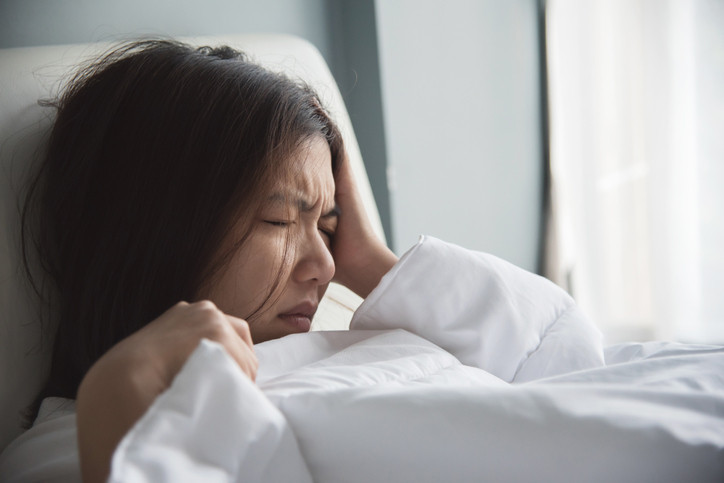
Have a headache? The top 7 triggers
There are several common triggers for headaches. Identifying the one that is causing your headache is the first step toward avoiding it or ensuring you can treat it properly.

Opportunities for growth: Transitions for youth with autism spectrum disorder
For young people with autism spectrum disorder, the transition from adolescence to adulthood is marked by changes in many areas of their lives. Healthcare providers and caregivers can make this transition smoother and help their patients meet these challenges.

What works best for treating depression and anxiety in dementia?
There is evidence that antidepressants are not effective in older people with dementia. Emerging research suggests that nondrug, psychosocial interventions are the most effective treatments for depression or anxiety in older adults with cognitive impairment.
Hip bursitis vs. arthritis: How to tell the difference
Fitness for longevity: Which type matters most?
Ministrokes linked to elevated risk of dementia
Continuous glucose monitors benefit people who don't need insulin
CoQ10: Should you take this popular supplement if you're on a statin?
Microplastics: A hidden health threat?
Oat vs. dairy milk: Nutrition, benefits, and downsides
What is tempeh? Benefits, nutrition, and how to use it
Healing after food poisoning
Whole grains may improve several heart risk factors at once
Free Healthbeat Signup
Get the latest in health news delivered to your inbox!
Sign Up
