

Hip bursitis vs. arthritis: How to tell the difference

Fitness for longevity: Which type matters most?

Ministrokes linked to elevated risk of dementia

Continuous glucose monitors benefit people who don't need insulin

CoQ10: Should you take this popular supplement if you're on a statin?

Microplastics: A hidden health threat?

Oat vs. dairy milk: Nutrition, benefits, and downsides

What is tempeh? Benefits, nutrition, and how to use it

Healing after food poisoning

Whole grains may improve several heart risk factors at once
Headache and migraine Archive
Articles
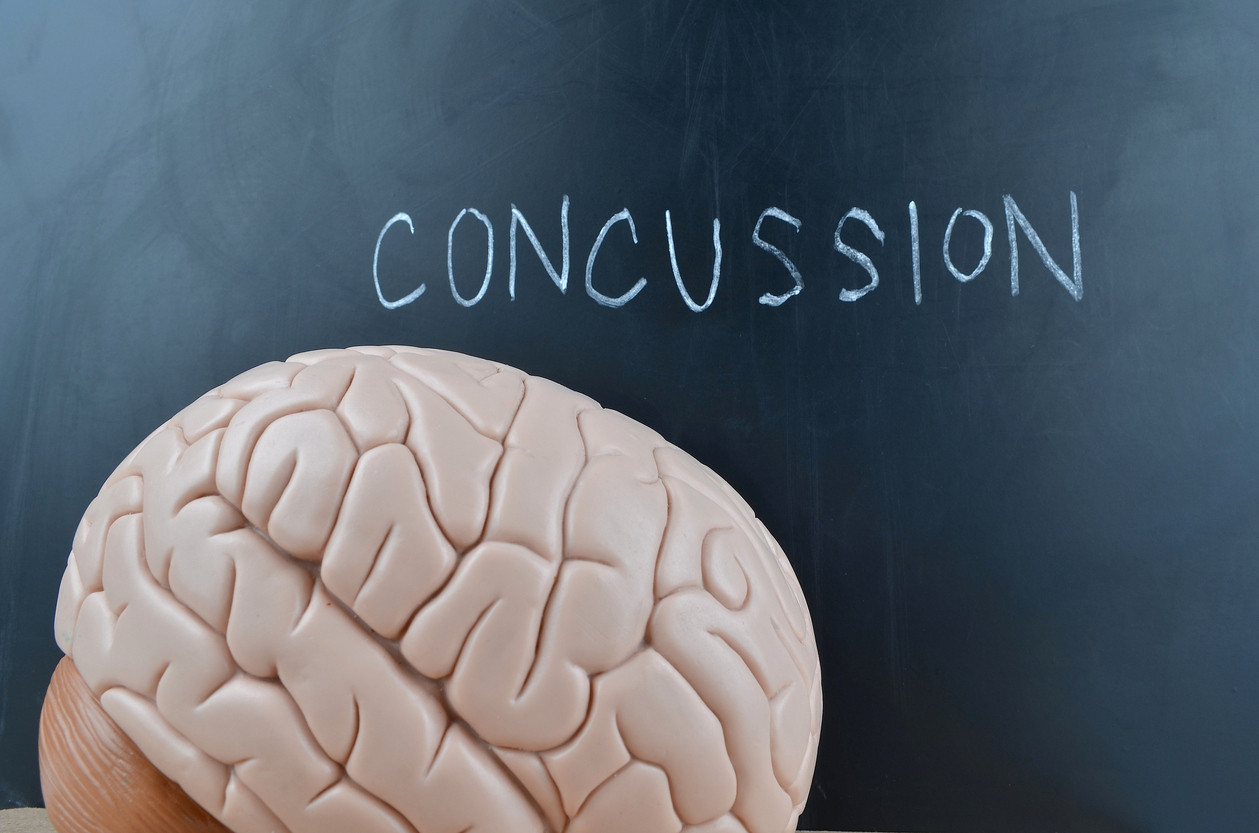
Is there really a blood test to diagnose concussion?
Can a blood test tell whether or not you have a concussion? It’s not quite that simple. There is a test that indicates the presence of substances released into the blood after a brain injury, but for now it is more useful for identifying situations when a CT scan is not necessary.

When sex gives more pain than pleasure
Dyspareunia is a common problem for many postmenopausal women.
Millions of women experience pain before, during, or after sexual intercourse—a condition called dyspareunia (from the Greek dyspareunos, meaning "badly mated"). This condition not only saps sexual desire and enjoyment, it can also strain relationships and erode quality of life in general. For postmenopausal women, dyspareunia may also raise concerns about aging and body image.
Many women suffer in silence and don't seek the help they need, or they have trouble finding a clinician who can diagnose and treat the causes of their pain. That is unfortunate, because treatments are available for many of the problems that underlie this vexing condition.

Are the new migraine medications working?
Doctors say three recently approved migraine prevention drugs are helping people have fewer headaches.
For people with frequent, debilitating migraine headaches, 2018 brought encouraging news. The FDA approved three new medications — erenumab (Aimovig), fremanezumab (Ajovy), and galcanezumab (Emgality) — the first drugs designed specifically to prevent migraines and reduce their frequency, intensity, and duration.
It was a big development, since other medications used to stop migraines were created to control other conditions, such as seizures, depression, high blood pressure, or an irregular heartbeat. But their side effects (such as weight gain, dizziness, or fuzzy thinking) often cause people to skip treatment.
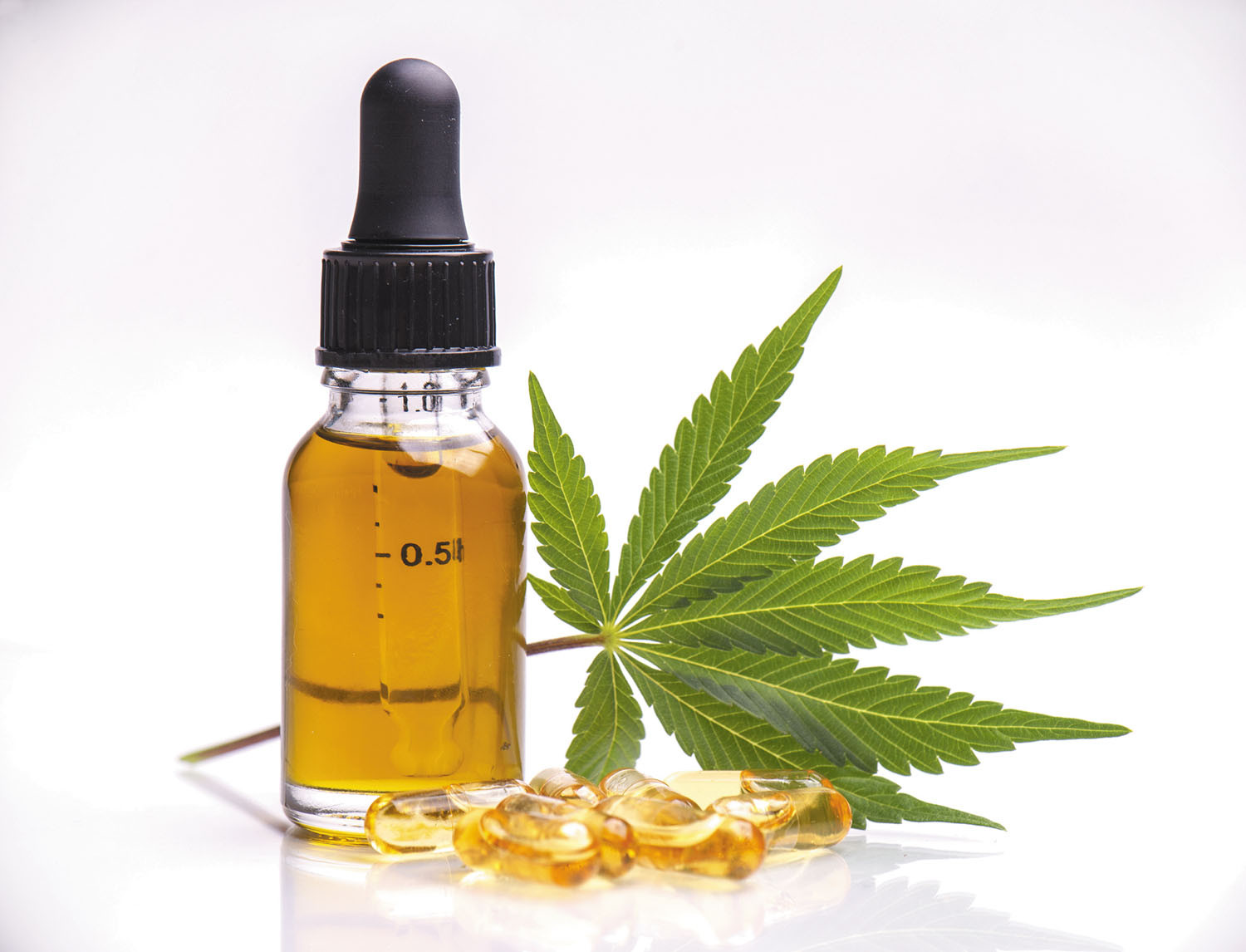
Know the facts about CBD products
The extract from the cannabis plant is the hot new treatment for all kinds of ailments, but don't buy into it just yet.
Cannabidiol (CBD), extracted from the cannabis or hemp plant, has been promoted as the latest miracle cure for everything from aches and pains to anxiety and sleep disorders. There is a good chance you've heard a friend share his or her story about the wonders of CBD.
But is it miraculous — or just a mirage?
"CBD is being used over the counter in a range of ways that is not supported by the science," says Dr. Jordan Tishler, instructor of medicine at Harvard Medical School and president of the Association of Cannabis Specialists. "There is still much we don't know. But aggressive marketing, hype, and word of mouth have made CBD like a drug version of the emperor's new clothes. Everyone says it works, but lab studies suggest that it's really not what people think."

Can changing my sleep habits help with neck pain?
Ask the doctors
Q. I often wake up with a sore neck in the morning. What can I do to prevent this?
A. Poor sleep habits can cause neck pain or make it worse. Simple changes can make it less likely that you will wake up in pain in the morning.
When to get help for low back pain
Image: Thinkstock |
Pain from ruptured discs and arthritis doesn't have to flatten you. There are a variety of ways to ease lower back pain discomfort and reduce disability, often without drugs.
Spinal problems are the price we pay for walking upright. Wear and tear on our backbones and the constant pull of gravity on our vertebrae take their toll over time. Nearly every adult has had a stiff or sore back at some time.

Does Botox reduce the frequency of chronic migraine?
People who experience chronic migraine headaches may benefit from treatment with botulimun neurotoxin (Botox), though other treatments such as medication are usually tried first.
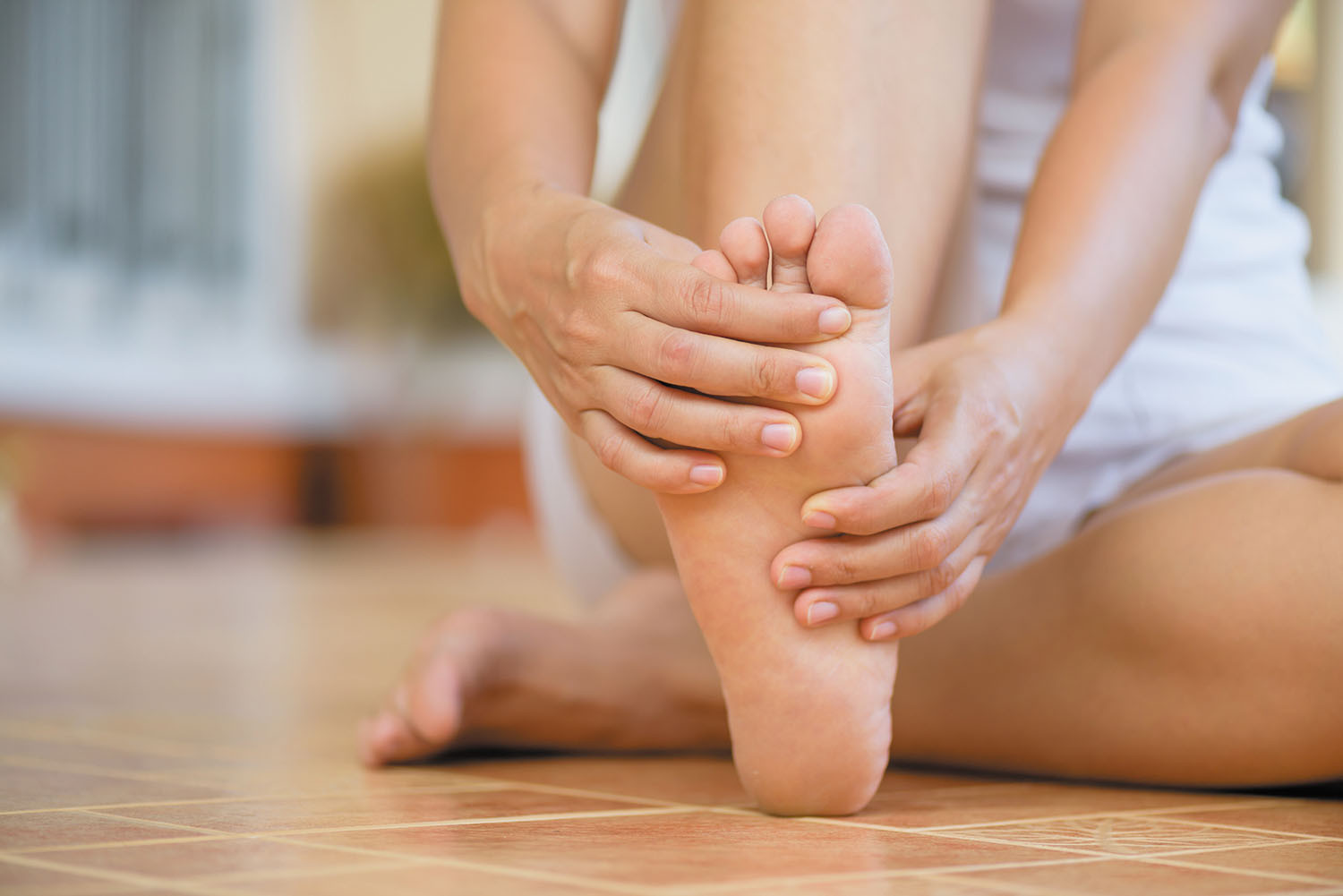
Don’t forget your feet
Women sometimes neglect their feet until they start to experience foot pain and other problems.
Most women get their teeth cleaned at least once a year, keep tabs on their heart, and may even have an annual eye exam. While they might clip and paint their toenails on a regular basis, women often neglect the health of their feet.
That lack of attention can lead to pain and other foot problems, which are common and — for some people — life-altering.
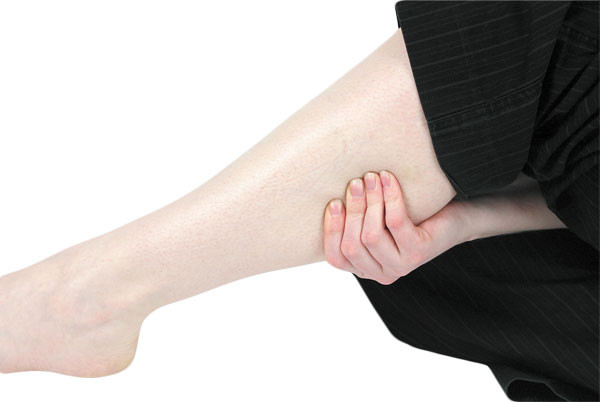
Will tonic water prevent nighttime leg cramps?
Ask the doctor
Image: Karl Rosencrants/ Thinkstock
Q. It's been suggested that drinking 2 to 3 ounces of tonic water before bedtime can prevent leg cramps at night. Is that true?
A. Tonic water—and the quinine it contains—have been promoted for preventing leg cramps for decades despite the lack of evidence that they are effective. Quinine is FDA-approved only for treating malaria and is sold with a warning against using it to treat leg cramps or muscle pain, because it increases the risk of bleeding and heart rhythm disturbances. Tonic water contains no more than 83 mg of quinine per liter—a much lower concentration than the 500 to 1,000 mg in the therapeutic dose of quinine tablets. Drinking a few ounces of tonic water shouldn't be harmful, but it isn't likely to prevent your leg cramps.

I’m in pain, so why is my doctor suggesting a psychologist?
The negative emotions that come from coping with chronic pain can lead to depression, and that very depression can lead to worse pain. Understanding the connection between pain and emotional health with the help of a psychologist can address these issues, and there are evidence-based therapies that can help as well.
Hip bursitis vs. arthritis: How to tell the difference
Fitness for longevity: Which type matters most?
Ministrokes linked to elevated risk of dementia
Continuous glucose monitors benefit people who don't need insulin
CoQ10: Should you take this popular supplement if you're on a statin?
Microplastics: A hidden health threat?
Oat vs. dairy milk: Nutrition, benefits, and downsides
What is tempeh? Benefits, nutrition, and how to use it
Healing after food poisoning
Whole grains may improve several heart risk factors at once
Free Healthbeat Signup
Get the latest in health news delivered to your inbox!
Sign Up
