

Hip bursitis vs. arthritis: How to tell the difference

Fitness for longevity: Which type matters most?

Ministrokes linked to elevated risk of dementia

Continuous glucose monitors benefit people who don't need insulin

CoQ10: Should you take this popular supplement if you're on a statin?

Microplastics: A hidden health threat?

Oat vs. dairy milk: Nutrition, benefits, and downsides

What is tempeh? Benefits, nutrition, and how to use it

Healing after food poisoning

Whole grains may improve several heart risk factors at once
Healthy aging and longevity Archive
Articles


Untangling grief: Living beyond a great loss
There is no way to prepare for the many shades of grief, which can lead to illness as well as distress. While each person navigates grief differently, the experience of others and broad advice on how to cope may offer comfort.

Colon cancer screening decisions: What's the best option and when?
Colorectal cancer is the second leading cause of cancer deaths in the United States, and rates are rising, particularly in younger people. It can be prevented with screening tests; there are several different types of tests that are performed in different ways, and guidelines for when testing should begin and how often people should be tested.

Year three of the pandemic is underway: Now what?
Despite how it may sometimes seem, the COVID-19 pandemic is very much still with us. This is a good time to pause and assess where we are now and what you need to know about vaccines, boosters, and other measures to help you stay well.

Weight stigma: As harmful as obesity itself?
Weight stigma is discrimination based on a person's weight, and it can lead to poor health and increased weight gain. One way to combat weight stigma is to use person-first language, and it's also important for health care providers to make sure they are not perpetuating this stigma when dealing with patients.

How much exercise does it take to avoid heart problems in your 70s?
In a study published online Feb. 14, 2022, by the journal Heart, people ages 65 or older who exercised at least 20 minutes per day—especially men ages 70 to 75—had fewer heart attacks and a lower risk of premature death, compared with people who didn't exercise.
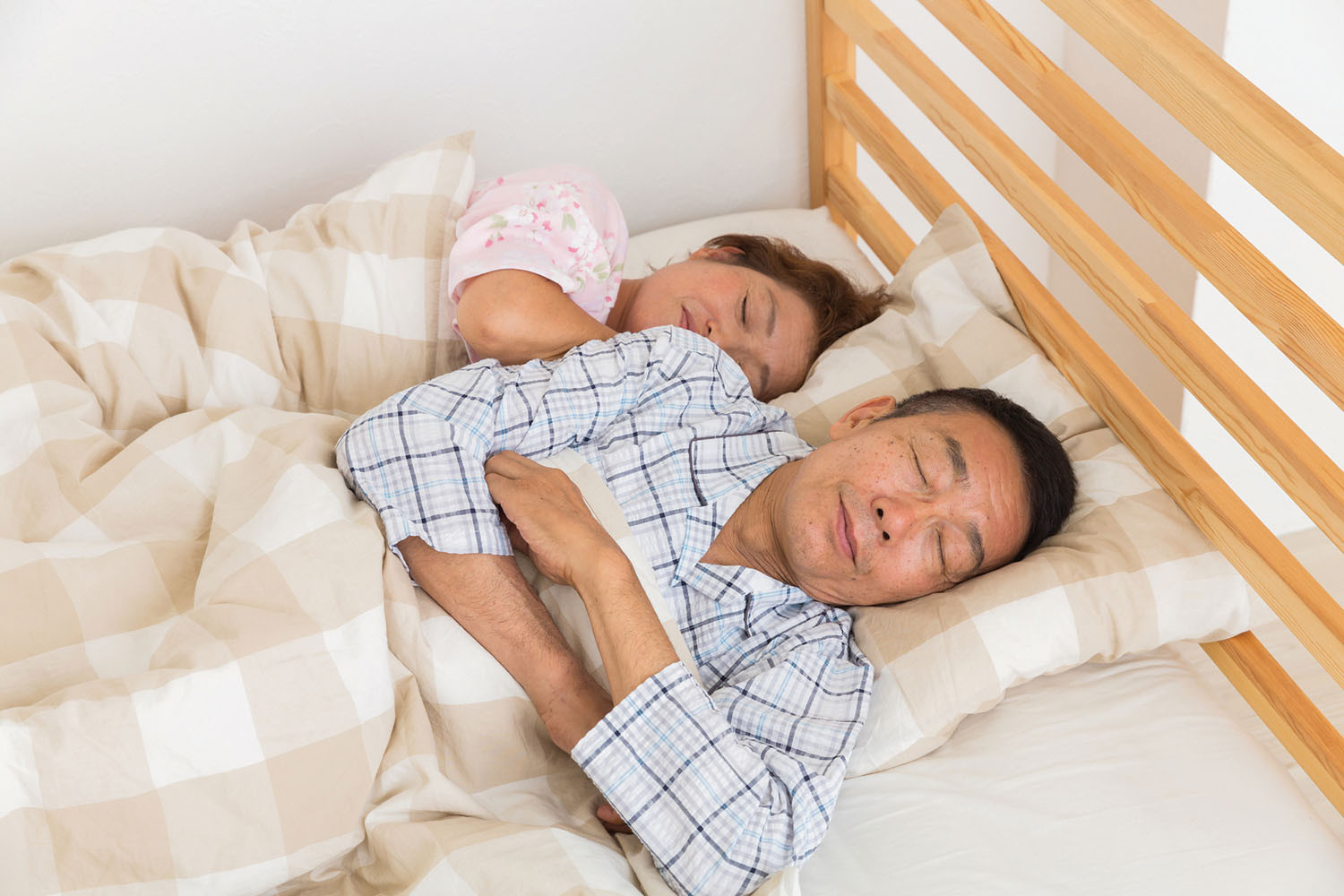
What's the best sleep position to combat heartburn?
Among people with chronic heartburn, sleeping on the left side appears to help backed-up stomach acid leave the esophagus faster than sleeping on the right side or back, according to a study in the February 2022 issue of The American Journal of Gastroenterology.

Rowing or paddling after age 60
Water sports that use oars or paddles are effective forms of exercise with many health benefits. However, the sports may pose health risks, especially after age 60. The sports have a repetitive component to them. Paddling can stress the shoulder tendons. Rowing can lead to low back strains. Neither sport would be a good idea for people with tendinitis at the shoulder, elbow, or wrist; a diagnosed back problem such as a disc injury or spinal stenosis; or a previous back surgery.

What are the different types of body fat?
Two important types of fat in the body are white fat and brown fat. White fat is located in the chest, abdomen, and upper legs; too much of it constitutes obesity. Its function is to provide insulation against the cold, store fats derived from food, and continually release small amounts of the fats to be converted into energy. Brown fat is found in small amounts in the neck, shoulders, chest, and abdomen. Its main function is to burn the fat it stores, creating heat that keeps the body warm.

Do fitness trackers really help people move more?
Physical activity monitors, such as smart watches and fitness trackers, may help people get more exercise, such as extra daily steps and more moderate-to-vigorous activity per week. But the long-term durability of this behavior change is unknown. Using a fitness tracker requires more than just moving more; people also have to remember to keep the tracker charged, wear it consistently, and check their data. But for some people, the day-to-day feedback on their progress may help keep them engaged.
Hip bursitis vs. arthritis: How to tell the difference
Fitness for longevity: Which type matters most?
Ministrokes linked to elevated risk of dementia
Continuous glucose monitors benefit people who don't need insulin
CoQ10: Should you take this popular supplement if you're on a statin?
Microplastics: A hidden health threat?
Oat vs. dairy milk: Nutrition, benefits, and downsides
What is tempeh? Benefits, nutrition, and how to use it
Healing after food poisoning
Whole grains may improve several heart risk factors at once
Free Healthbeat Signup
Get the latest in health news delivered to your inbox!
Sign Up
