

Hip bursitis vs. arthritis: How to tell the difference

Fitness for longevity: Which type matters most?

Ministrokes linked to elevated risk of dementia

Continuous glucose monitors benefit people who don't need insulin

CoQ10: Should you take this popular supplement if you're on a statin?

Microplastics: A hidden health threat?

Oat vs. dairy milk: Nutrition, benefits, and downsides

What is tempeh? Benefits, nutrition, and how to use it

Healing after food poisoning

Whole grains may improve several heart risk factors at once
Healthy aging and longevity Archive
Articles

Healthy meals: 3 easy steps to success
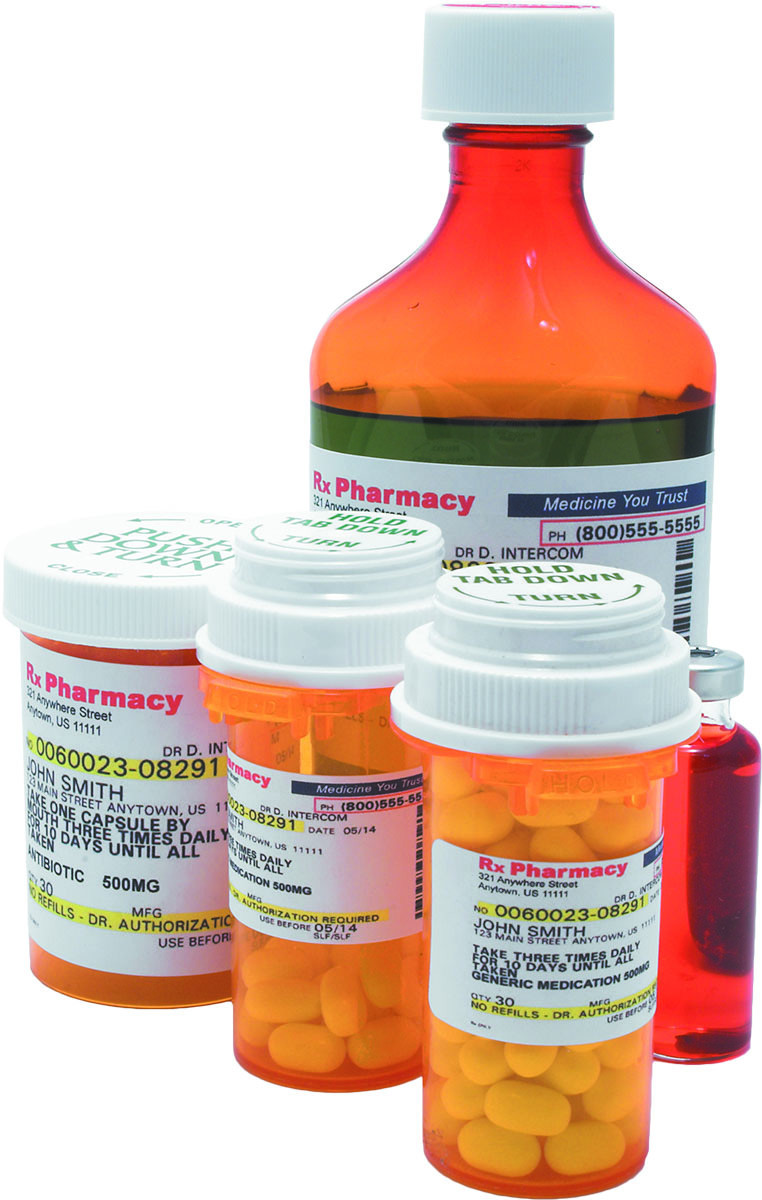
What to do when medication makes you constipated
Antidepressants and opioids are common offenders.
It's frustrating when you feel the urge to move your bowels but can't seem to go. Before blaming your diet, consider whether medication side effects are causing your constipation.
Possible suspects
Many medications can contribute to constipation, including the following:

Get relief from eczema
Eczema is an itchy rash that's often hard to get rid of. Most people can't help scratching it, which further irritates the skin. Eczema is often, but not always, related to allergies. A common cause is your skin overreacting to everyday irritants, such as dust, soaps and detergents, or even dry, cold air, which triggers an intensely itchy allergic reaction.
Skin affected by eczema becomes dehydrated and dry easily, so treatment involves rehydrating the skin. Baths and showers must be short and not too hot. Afterwards, gently pat your skin dry and promptly apply moisturizers while your skin is still moist. Thick creams that lock in the moisture help the most. Be sure to choose creams or lotions without fragrances or preservatives. Limit the use of soaps and shampoos, too. These products remove the skin's natural oils and worsen dryness. And over-the-counter oral antihistamines can help with the ferocious itch.

Daily skin care in 3 simple steps
A widely-advertised facial moisturizer claims to be the best on the market — and sells for $225 per bottle. Should you buy it? Another brand offers a complete skin care regimen — but it comes in 10 different bottles of lotions and potions that all need to be applied daily. Is it worth your time?
Despite manufacturers' claims, many cosmetic products will remove more cash from your wallet than dirt and oils from your skin. You don't need an expensive or lengthy skin care routine — and the good news is, the most effective and reliable regimen is also quick and inexpensive.

Can your CPAP make you sick?
Using a CPAP machine is beneficial for people with obstructive sleep apnea, but if the machine isn’t kept clean it could lead to an illness. There are sanitizing systems available, but cleaning the parts by hand is just as effective.

PrEP prevents HIV — so why aren’t more people taking it?
PrEP (pre-exposure prophylaxis) is a daily medication taken to prevent HIV infection. While multiple studies show PrEP is effective, relatively few of those who might benefit are taking it. Will a 10-year initiative to reduce rates of HIV and a new formulation of PrEP help?


Inflamed sinuses: It's best to watch and wait
Antibiotics often don't help inflamed sinuses. Take steps to ease symptoms and let the problem heal itself.
The hollow spaces in your facial bones—the sinuses—are prone to infection by microorganisms of various stripes. Usually, the invader is a virus. In response, the sensitive linings of the sinuses swell up and start to pour out mucus, triggering nasal stuffiness, a runny nose, and facial pain.
Once upon a time, many sinus sufferers headed straight to their doctors to get an antibiotic. But we now know that strategy is usually a waste of time. Most cases of sinusitis are associated with viral infections, which are bulletproof to antibiotics. According to a research review by the Cochrane Collaboration, 80% of people with sinusitis improve within two weeks without taking antibiotics.

What to do when medication makes you sleepy
It may be as simple as adjusting the dose, avoiding alcohol, or taking the drug at a different time of day.
Image: iStock
One of the most commonly reported side effects of some medications is drowsiness. "Many people report tiredness or fatigue as a side effect from their medicines. However, there are things you can do to minimize the feelings of daytime sleepiness," says Laura Carr, a pharmacist at Harvard-affiliated Massachusetts General Hospital.
Typical offenders
Common culprits that cause sleepiness include antidepressants; antihistamines, found in sleep aids or medicines that treat allergies; anti-emetics, which are used to control nausea and vomiting; antipsychotics and anticonvulsants, which can be used to treat seizures or depression; drugs to treat high blood pressure, including alpha blockers and beta blockers; benzodiazepines and other sedatives, which are commonly used for anxiety or insomnia; drugs for Parkinson's disease; muscle relaxants; and opioids and other prescription pain medications. Many over-the-counter medicines may also make you drowsy, such as remedies for insomnia, allergies, nausea, vomiting, or diarrhea.

Can changing my sleep habits help with neck pain?
Ask the doctors
Q. I often wake up with a sore neck in the morning. What can I do to prevent this?
A. Poor sleep habits can cause neck pain or make it worse. Simple changes can make it less likely that you will wake up in pain in the morning.
Hip bursitis vs. arthritis: How to tell the difference
Fitness for longevity: Which type matters most?
Ministrokes linked to elevated risk of dementia
Continuous glucose monitors benefit people who don't need insulin
CoQ10: Should you take this popular supplement if you're on a statin?
Microplastics: A hidden health threat?
Oat vs. dairy milk: Nutrition, benefits, and downsides
What is tempeh? Benefits, nutrition, and how to use it
Healing after food poisoning
Whole grains may improve several heart risk factors at once
Free Healthbeat Signup
Get the latest in health news delivered to your inbox!
Sign Up
