

Hip bursitis vs. arthritis: How to tell the difference

Fitness for longevity: Which type matters most?

Ministrokes linked to elevated risk of dementia

Continuous glucose monitors benefit people who don't need insulin

CoQ10: Should you take this popular supplement if you're on a statin?

Microplastics: A hidden health threat?

Oat vs. dairy milk: Nutrition, benefits, and downsides

What is tempeh? Benefits, nutrition, and how to use it

Healing after food poisoning

Whole grains may improve several heart risk factors at once
Healthy aging and longevity Archive
Articles

Poor vision affects driving skills and brain function
In the journals
Image: © Martin Barraud/Getty Images
More reasons to take good care of your eyes: it may protect against cognitive decline and keep you safe behind the wheel, according to two studies published online June 28, 2018, by JAMA Ophthalmology.
In the first study, researchers looked at almost 560,000 adults ages 65 and older and found they had 9% fewer serious car crashes in the year following cataract surgery. Besides causing blurry vision, cataracts can intensify the glare from headlights and sunlight, which can make driving dangerous, according to the researchers.

Feeling young could signal a younger brain
In the journals
People who feel younger than their actual age also may have brains that age more slowly, suggests a small study published online June 7, 2018, by Frontiers in Aging Neuroscience.
Scientists took brain scans of 68 healthy older adults, ages 59 to 84, to measure the volume of gray matter in various regions. The participants then answered surveys to determine if they felt older or younger than their age and to measure their cognitive abilities and perceptions of overall health.
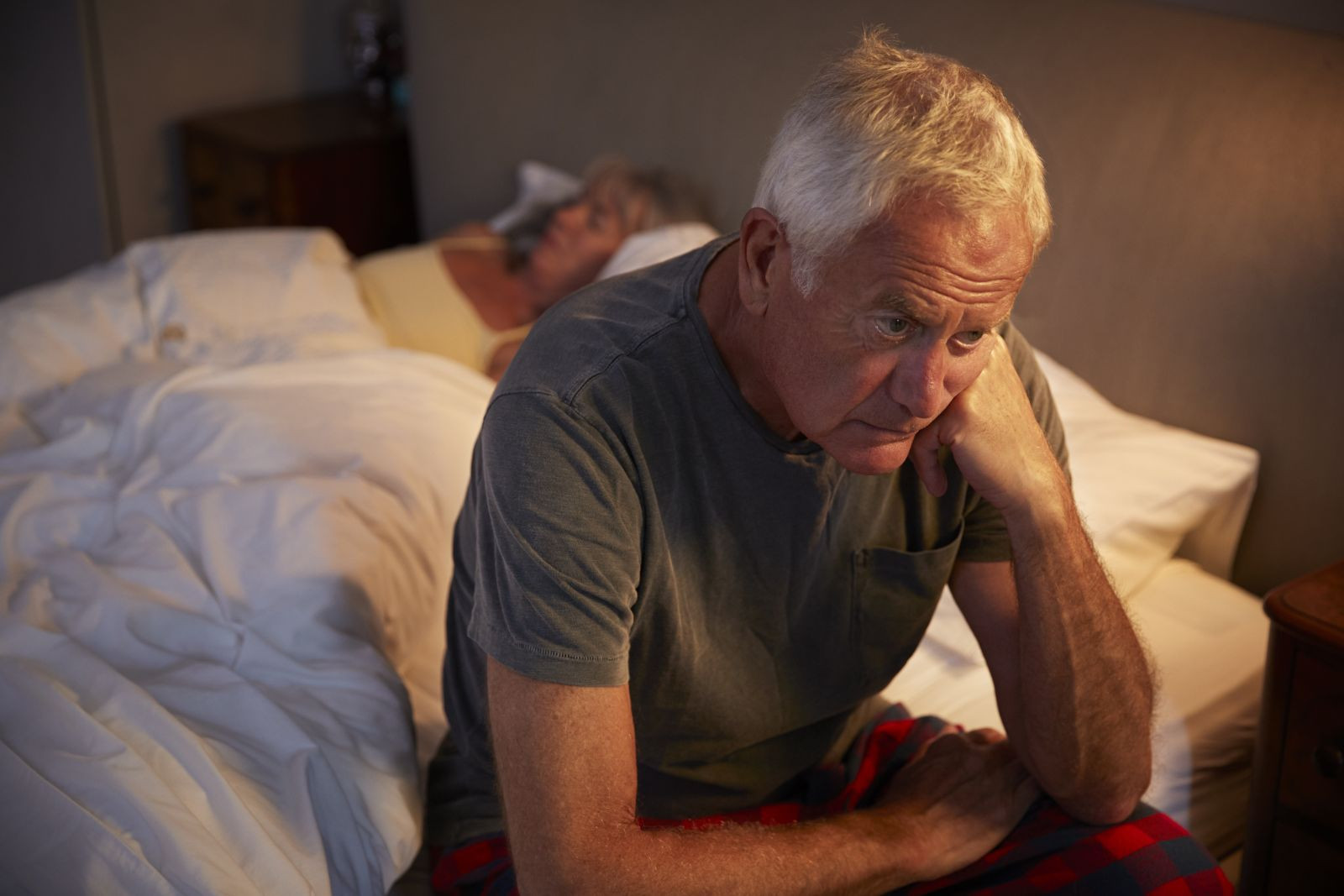
Can’t sleep? You may be at risk for atrial fibrillation
In the journals
If you have problems sleeping through the night, you may be at risk for atrial fibrillation (afib), an irregular heart rate that may cause heart palpitations and is a leading cause of stroke.
A study published online June 25, 2018, by HeartRhythm reviewed four studies and found a link between afib and poor sleep. In one study, people with afib had more frequent nighttime awakenings compared with those who did not have the condition. In the other studies, poor sleep quality, including frequent nighttime awakenings and less REM (rapid eye movement) sleep, predicted which individuals would develop afib.
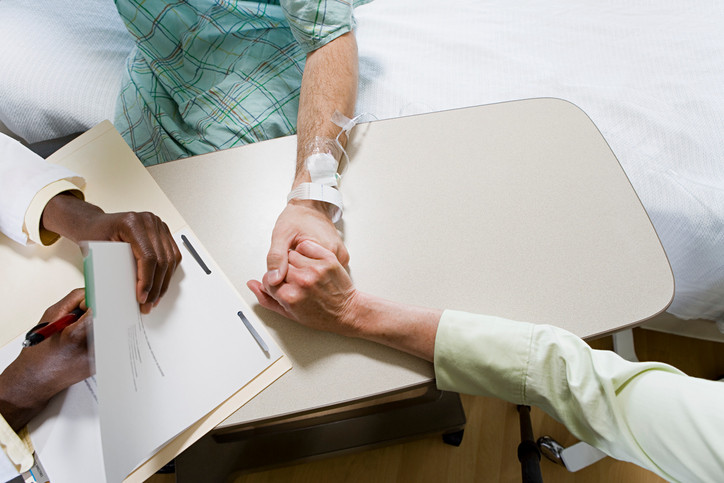
Leaving time for last words
When a person needs to be intubated to help them breathe, they are unable to speak, and if something happens it’s possible for someone to die without a chance to have a final conversation with their loved ones. But it’s possible for doctors to adjust intubation protocol to allow for such a conversation.

Virtual visits and high blood pressure
News briefs
If your doctor offers a way to monitor your chronic health condition via computer, consider giving it a try. A Harvard study that was published online April 23, 2018, by the Journal of General Internal Medicine found that people who had "virtual" office visits over the Internet were able to control their blood pressure just as well as people who had in-person follow-up office visits — and they used fewer health care services over all. Researchers compared the health outcomes of two groups. One group included about 900 people with high blood pressure who had in-office follow-up visits. The other group included about 900 people who had "virtual" follow-up visits, which meant they used a website to enter blood pressure readings, track their medications and side effects, and ask questions; their doctors determined whether to follow up by computer or phone or to schedule in an in-office visit. Over the course of six months, blood pressures improved for people in both groups. But people in the virtual care group averaged about one fewer office visit than people in the other group, and they had fewer emergency room visits and hospitalizations over all. The authors say the results support using virtual follow-up visits for other chronic diseases. Indeed, many health care providers already are doing so, including one group in the study — Massachusetts General Hospital, which uses virtual care to follow 65 different kinds of chronic disease.
Image: © AndreyPopov | GettyImages

Americans aren’t meeting exercise goals
News briefs
Image: © mheim3011/Getty Images
Not getting enough exercise? You're not alone, suggests a report published online June 28, 2018, by the CDC's National Center for Health Statistics. Researchers looked at health survey information collected from all 50 states and the District of Columbia from 2010 to 2015. The results: Among adults ages 18 to 64 years old, just 27% of men and 19% of women met the guidelines for both aerobic and muscle-strengthening activities. The numbers were a little higher for men and women who worked, and lower if they were unemployed. The level of activity also varied by state, with 32% of men and women in Colorado meeting both activity goals, compared with just 13.5% in Mississippi. The takeaway: We all need at least 150 minutes per week of moderate-intensity exercise (like brisk walking), and muscle-strengthening exercise twice a week. If you're not meeting these goals, consider ways to increase your exercise activity. Even a few extra minutes per day will get you closer to your goals and better health.

Your health through the decades
These strategies keep you healthy and safe through your 60s, 70, and 80s.
Image: © kali9/Getty Images
After age 60, men tend to get thrown together — the so-called 60-and-older group — even though most are quite different in terms of their health.
"While many men are still very fit well into their 60s, 70s, and 80s, others face health challenges and chronic diseases that make daily living difficult," says Dr. Howard LeWine, assistant professor of medicine at Harvard Medical School.

Do nail changes signify a health problem?
On call
Q. I am 65 and have noticed a decline in the quality of my fingernails. Should I worry about some underlying medical condition?
A. For the most part, changes in fingernail shape and appearance are simple signs of normal aging and are nothing to worry about. Fingernails naturally grow slower as we age, and their appearance may change, too. Nails can become yellowed, dull, and brittle. They may develop tiny longitudinal ridges and become thinner and more fragile. You can't do anything about these kinds of fingernail changes, but you can reduce the risk of splitting and breaking that often accompanies them. For example:

Rethinking the 30-minute workout
You can still receive benefits from doing less than this recommended amount of aerobic exercise.
Image: © Masuti/Getty Images
Federal guidelines advocate 150 minutes of moderate-intensity aerobic activity per week for optimal health, which breaks down to 30 minutes, five days a week.
Yet the ongoing challenge is how to incorporate these minutes into your daily life. What if you can't find the time? And what happens to your health if you can't hit that number every week?

Is whole-body cryotherapy effective and safe?
Ask the doctors
Q. A friend of mine recommended I try whole-body cryotherapy for arthritis pain. Is this technology proven to work?
A. Whole-body cryotherapy is a technology designed to cool the body by exposing it to subzero temperatures (typically –200° to –300° F) for short sessions of two to four minutes. In some cases, people sit in a cold room; in others, they are placed in a special enclosure that cools them from the neck down. The theory behind cryotherapy is that cold temperatures can reduce inflammation and swelling in the body — much like an ice pack would on your swollen ankle. People who promote cryotherapy claim it can help treat symptoms related to numerous conditions, including arthritis, asthma, depression, and chronic pain, among others. They also claim that whole-body cryotherapy can aid in weight loss, soothe sore muscles, boost metabolism, and even get your blood circulating more efficiently. But while that may sound great, there's really no scientific proof that whole-body cryotherapy is safe, or any evidence to support claims about its health benefits, according to the FDA. And the FDA has not cleared or approved any whole-body cryotherapy device to treat any medical condition. In short, whole-body cryotherapy is still unproven and could potentially bring risks, so if you are considering using the technology, it's a good idea to discuss the decision with your doctor first.
Hip bursitis vs. arthritis: How to tell the difference
Fitness for longevity: Which type matters most?
Ministrokes linked to elevated risk of dementia
Continuous glucose monitors benefit people who don't need insulin
CoQ10: Should you take this popular supplement if you're on a statin?
Microplastics: A hidden health threat?
Oat vs. dairy milk: Nutrition, benefits, and downsides
What is tempeh? Benefits, nutrition, and how to use it
Healing after food poisoning
Whole grains may improve several heart risk factors at once
Free Healthbeat Signup
Get the latest in health news delivered to your inbox!
Sign Up
