

Hip bursitis vs. arthritis: How to tell the difference

Fitness for longevity: Which type matters most?

Ministrokes linked to elevated risk of dementia

Continuous glucose monitors benefit people who don't need insulin

CoQ10: Should you take this popular supplement if you're on a statin?

Microplastics: A hidden health threat?

Oat vs. dairy milk: Nutrition, benefits, and downsides

What is tempeh? Benefits, nutrition, and how to use it

Healing after food poisoning

Whole grains may improve several heart risk factors at once
Healthy aging and longevity Archive
Articles
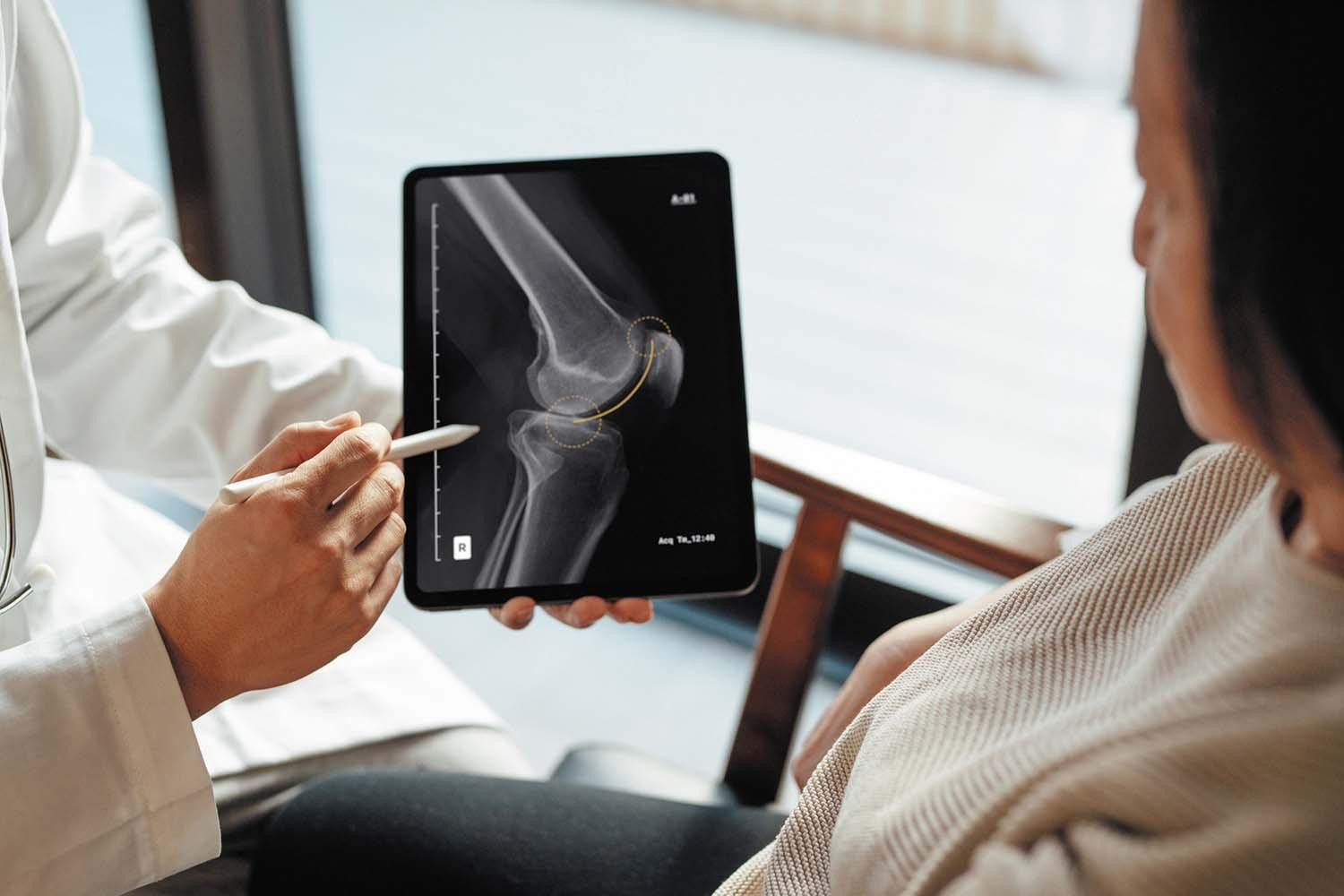
When does an injury require an x-ray?
X-rays can detect a broken bone, dislocation, or joint problem. People should seek an x-ray if an injury results in severe pain; severe or persistent swelling or bruising; difficulty moving or bearing weight; or a noticeable deformity.
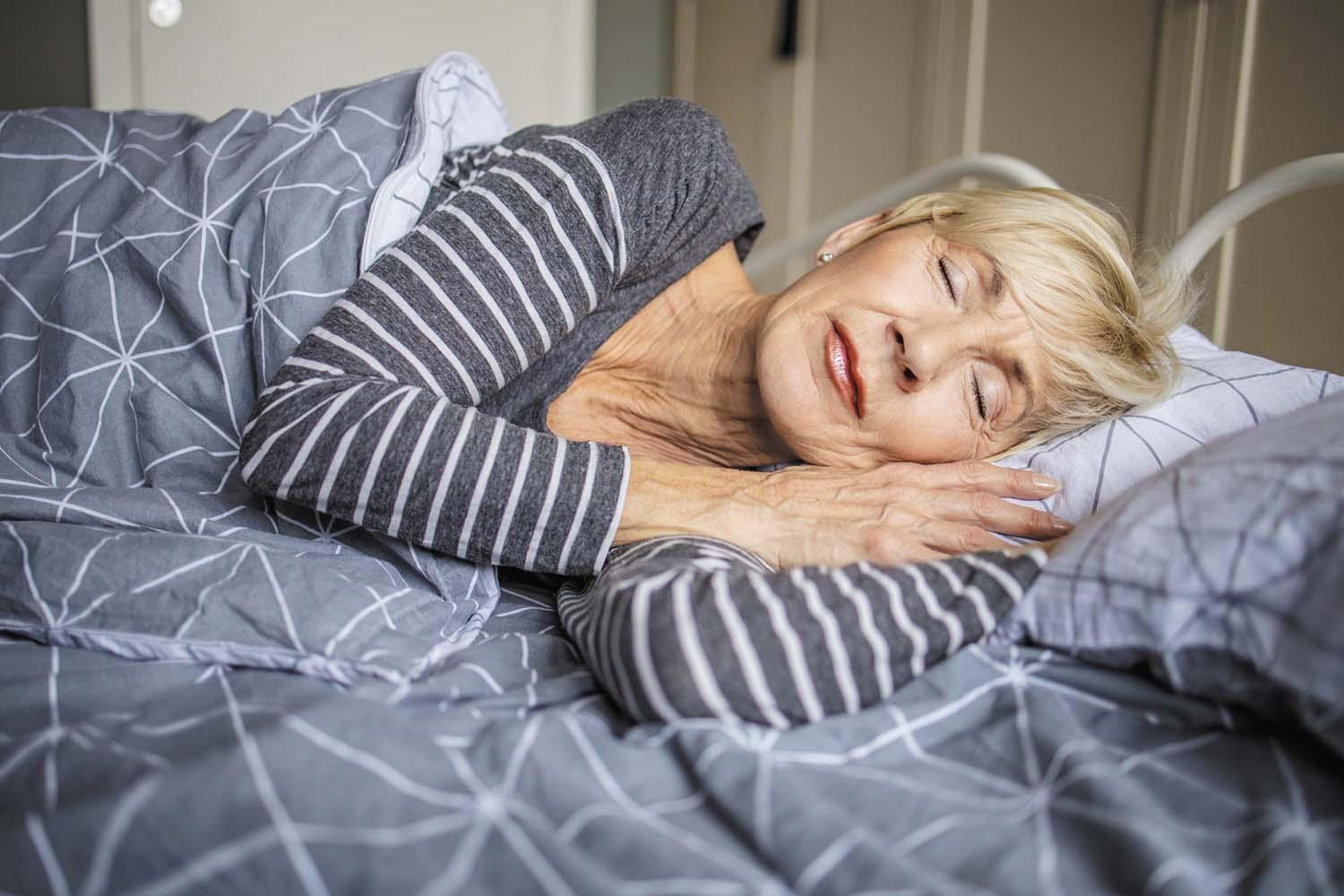
Is your sleep position helping or hurting you?
A variety of health conditions can be influenced by sleep position. Side sleeping helps people breathe easier, hampers heartburn, and is safer during pregnancy, but it may aggravate joint pain. Back sleeping keeps the spine straighter, but can intensify breathing problems, worsen heartburn, and cause other problems during pregnancy. People should talk to their doctor if they have a health condition that could be affected by the way they sleep, but otherwise can sleep in the position that is most comfortable for them.

The complicated risks of simple cold remedies
Over-the-counter cold remedies can be helpful, but they must be carefully considered before use. They contain drugs that can cause serious side effects, interact with other medications, and worsen certain health conditions. For example, decongestants can help ease a stuffy nose but also can increase blood pressure and heart rate. And cough suppressants can help someone stop coughing, but taking too much can cause dizziness, confusion, or even changes in mood or thinking.
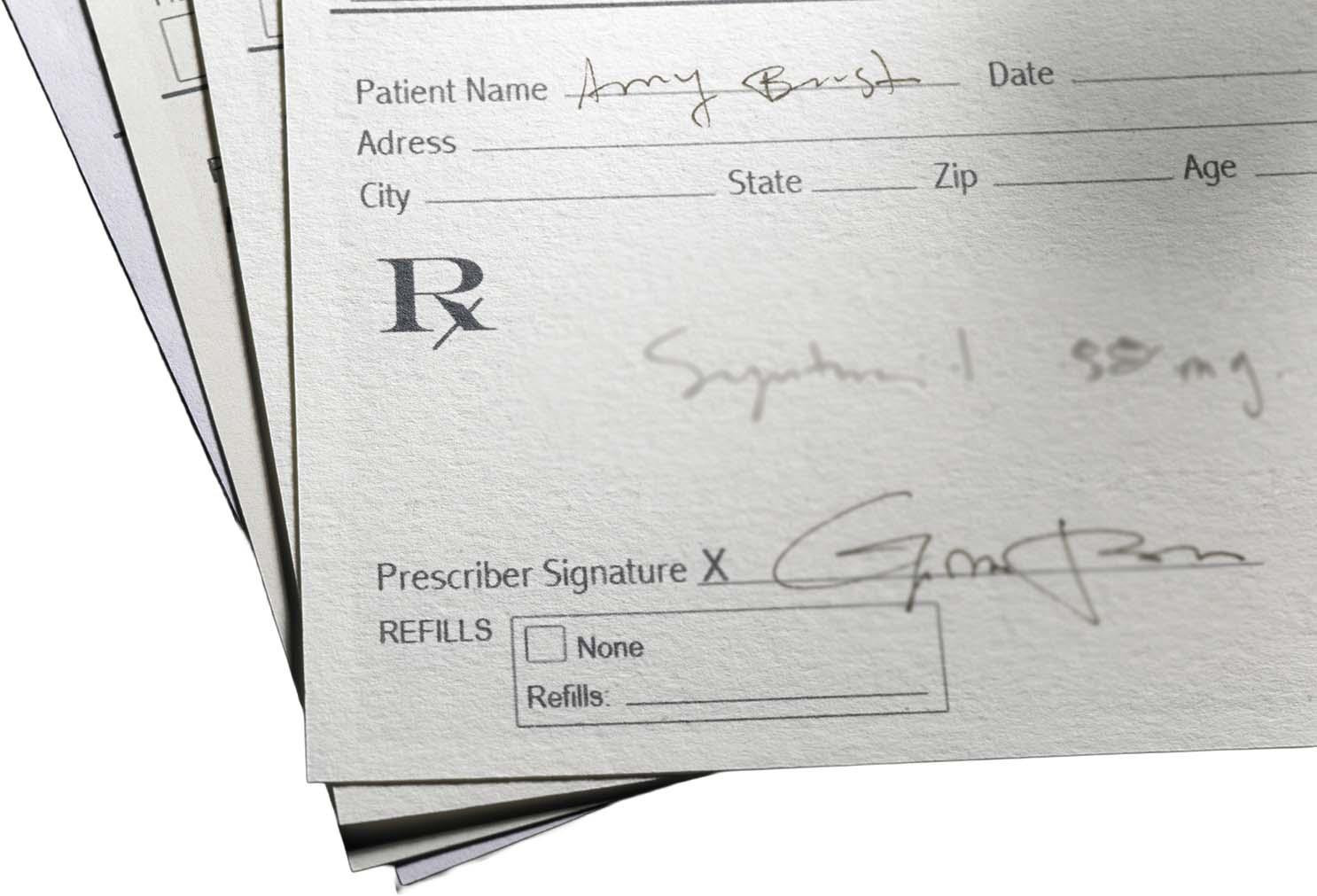
Urgent care clinics linked to unnecessary prescriptions
A 2025 study suggests that urgent care clinics frequently prescribe prescription medications inappropriately for conditions such as ear infections, bronchitis, sprains or strains, or digestive discomfort.

Improve your balance with tai chi this winter
Tai chi uses a series of gentle, flowing motions and slow, deep breathing to exercise the body and calm the mind. It's good for health in many ways, especially for balance, which improves as the body becomes more attuned to changes in movement. Tai chi can be practiced outdoors as well as indoors, which is helpful during winter months. To get started in a tai chi practice, it helps to take a class with an instructor who supervises practitioners' progress. Classes can be found at wellness centers and health clubs.

The hidden heart danger of insufficient sleep
Insufficient sleep triggers a long list of physiological and hormonal changes that contribute to heart disease. For example, a lack of sleep can cause increases in blood pressure, blood sugar, inflammation, and weight. Doctors recommend getting at least seven hours of uninterrupted sleep per night. Strategies that promote better sleep include going to bed and waking up at the same time every day, creating a healthy sleep environment, and turning off electronics an hour before bedtime.

Frequent standing may improve blood pressure after menopause
A 2025 study suggests that postmenopausal women may be able to lower their blood pressure simply by standing more often each day.

Fitness apps may provide long-term motivation to stay active
A 2025 study found that many people who use a fitness app to track their daily steps were able to maintain or increase their numbers over two years, suggesting the devices may have a long-term effect on motivation.
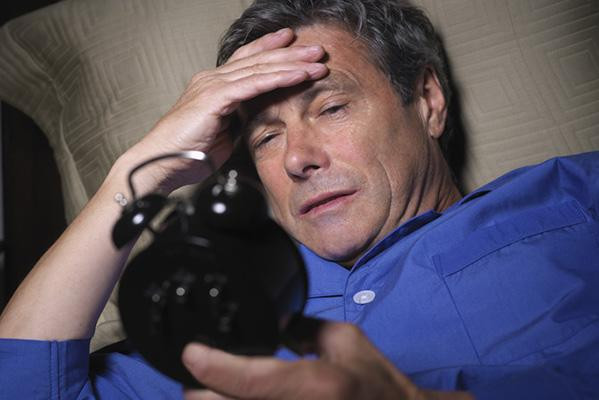
Chronic insomnia may raise the risk of cognitive decline
People who suffer from chronic insomnia are more likely to develop cognitive problems and score lower on thinking and memory tests compared with individuals without chronic insomnia, a 2025 study suggests.
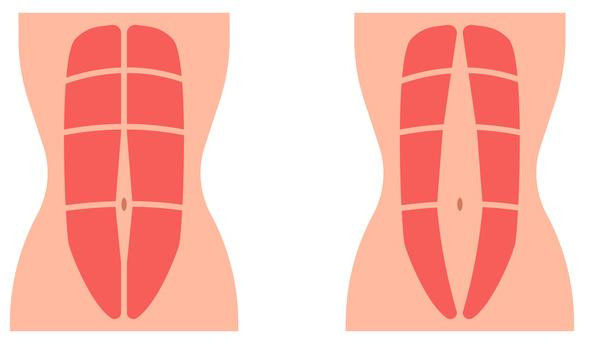
Battle of the bulge
Diastasis recti occurs when the rectus abdominis muscle - the "six-pack" - separates and leads to a midline abdominal bulge. This might happen because of pregnancy, aging, genetics, excessive abdominal pressure, or abdominal surgery. The bulge becomes more noticeable when lifting heavy objects, getting out of bed, or even performing everyday tasks. The condition usually doesn't resolve on its own. Working with a physical therapist can help decrease the muscle separation.
Hip bursitis vs. arthritis: How to tell the difference
Fitness for longevity: Which type matters most?
Ministrokes linked to elevated risk of dementia
Continuous glucose monitors benefit people who don't need insulin
CoQ10: Should you take this popular supplement if you're on a statin?
Microplastics: A hidden health threat?
Oat vs. dairy milk: Nutrition, benefits, and downsides
What is tempeh? Benefits, nutrition, and how to use it
Healing after food poisoning
Whole grains may improve several heart risk factors at once
Free Healthbeat Signup
Get the latest in health news delivered to your inbox!
Sign Up
