

Hip bursitis vs. arthritis: How to tell the difference

Fitness for longevity: Which type matters most?

Ministrokes linked to elevated risk of dementia

Continuous glucose monitors benefit people who don't need insulin

CoQ10: Should you take this popular supplement if you're on a statin?

Microplastics: A hidden health threat?

Oat vs. dairy milk: Nutrition, benefits, and downsides

What is tempeh? Benefits, nutrition, and how to use it

Healing after food poisoning

Whole grains may improve several heart risk factors at once
Healthy eating for diabetes Archive
Articles
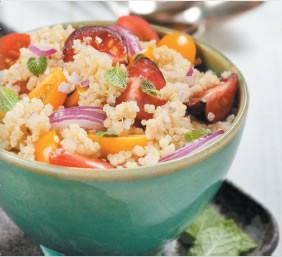
Healthy diet: Is glycemic index the key?
You can get some of the same benefits of a low-glycemic-index diet by avoiding highly processed foods.
The glycemic index is a number that indicates how rapidly the body digests a particular type of food and converts it into blood sugar (glucose). Some studies suggest that lower-glycemic-index diets may offer important health benefits for men—like a reduced risk of heart disease and diabetes.
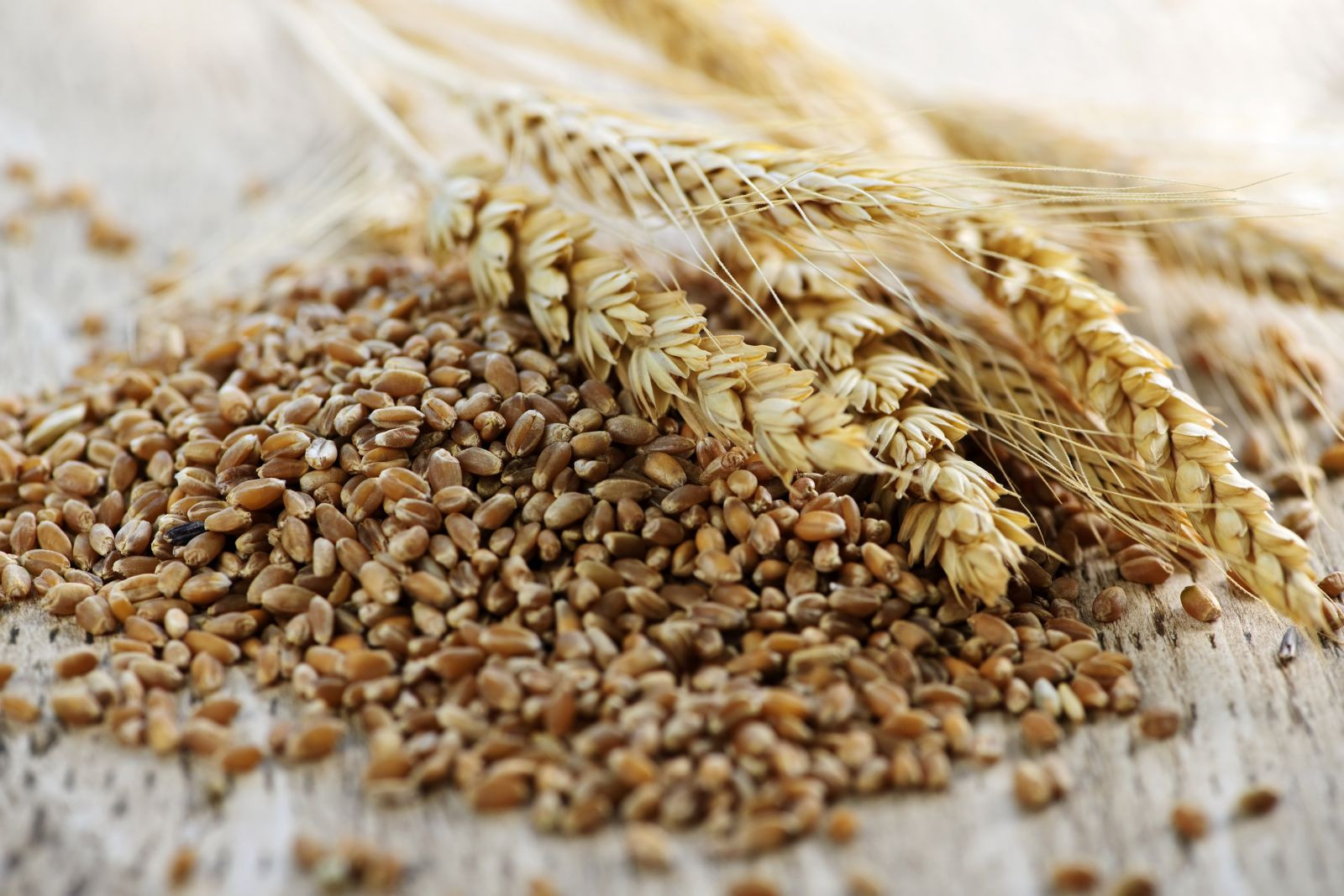
Reaping gains from grains
Eating whole grains may benefit your heart and lengthen your life.
Grain foods made from the hard, dry seeds of plants have been a nutritional basic for thousands of years. When you eat a whole grain, you're getting more than just the fiber from the seed's outer layer. You also get all the vitamins, minerals, good fats, enzymes, antioxidants, and phytonutrients that are stripped away when grains are processed.

Blood sugar on the brain
In people with heart disease, Image: Thinkstock |
High blood sugar may add to mental decline in people with cardiovascular disease.

An avocado a day may keep cholesterol at bay
Adding an avocado a day to a healthy diet may lower harmful LDL cholesterol levels, according to a study in the Journal of the American Heart Association. Forty-five overweight or obese volunteers followed three different cholesterol-lowering diets, each for five weeks. One diet had 24% of calories from fat; the other two were 34% fat, one of which included an avocado per day. While participants were on the avocado diet, their LDL levels dropped an average of 13.5 points—nearly twice as much as when they were on the other two diets.
Hass avocados (the type used in the study) have bumpy, greenish-black skin. The creamy flesh is rich in monounsaturated fats, which help lower LDL cholesterol when swapped for saturated fat. But other compounds in avocados, such as fiber and plant sterols, may also contribute to their healthful benefits, say the authors. Avocados can be sliced into salads, spread on sandwiches, or mashed to make guacamole. Just be sure to go easy on the high-calorie, salty corn chips often served with the latter.

Feeling young at heart may help you live longer
People who feel young at heart are more likely to pursue physical activity, even it's an activity that's challenging. |
A youthful attitude may lead to better eating and exercising habits.

A stable weight may reduce fracture risk
A study published in the Jan. 27, 2015, issue of The BMJ challenges the longstanding notion that weight gain protects against postmenopausal fractures. Data from the Women's Health Initiative (WHI) indicate that weight gain, as well as weight loss, is associated with increased risk of fractures in postmenopausal women. The analysis also suggested that which bones were most likely to break depended on whether women have gained or lost weight.
WHI researchers analyzed data on over 120,000 healthy postmenopausal women ages 50 to 79 at the start of the study. Each year, participants were weighed and asked to report fractures of their arms, legs, hip, pelvis, and spine.

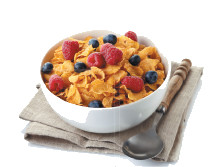
Boost the power of your breakfast cereal
Image: Thinkstock One serving each of whole-grain cereal, low-fat milk, and fruit meet the requirements for a healthy breakfast. |
Learn which ingredients will give your day a healthy start.
Grocery store shelves are filled with dozens of breakfast cereals all promising important health benefits. But how do you know if you're getting what you need? "Labels and marketing promises on boxes can be confusing. It's best to go cereal shopping with a plan," says Kathy McManus, director of the Department of Nutrition at Harvard-affiliated Brigham and Women's Hospital. She advises that you complement cereal with milk for protein and calcium and with fresh fruit for natural sweetness and some fiber. Don't worry if the cereal is organic or not. But do read ingredient lists carefully, and aim for the following markers of good nutrition.

Poor sleep linked to dementia and ministrokes
Images: Thinkstock |
Poor sleep is linked to high blood pressure, diabetes, obesity, and heart disease. Now a study published in Neurology Dec. 10, 2014, suggests that people with conditions that rob them of oxygen and deep sleep are more likely to have changes in the brain that may lead to dementia. Researchers say conditions such as emphysema and sleep apnea reduce the amount of oxygen in the blood during sleep, which can lead to silent, undetectable "ministrokes." Researchers also found that people who spend less time in deep sleep, called slow-wave sleep, are more likely to have loss of brain cells than people who spend more time in slow-wave sleep. Slow-wave sleep is important in processing new memories and remembering facts. The researchers noted that past evidence has shown that using a continuous positive airway pressure (CPAP) machine for obstructive sleep apnea may improve cognition, even after dementia has developed. "Sleep quantity and quality are important to maintain optimal health and prevent disease," says sleep expert Dr. Lawrence Epstein, an instructor in medicine at Harvard Medical School. "By getting enough sleep, you ensure that you are getting all the types of sleep, which is necessary to maintain proper functioning."

A wake-up call on coffee
This popular beverage may have benefits beyond a morning buzz. But be careful with your add-ins.
Coffee drinkers around the world savor the bitter brew on a daily basis. But are there any grounds for concern regarding coffee's effects on the heart? On the contrary: the case for drinking coffee seems to be growing. Straight coffee—minus the cream and sugar—is a nearly calorie-free beverage brimming with antioxidants. It might ease artery-damaging inflammation and may deliver a substance that helps the body regulate blood sugar.
"The evidence for the benefits of coffee consumption is even more convincing than it was five years ago, especially when it comes to preventing type 2 diabetes and reducing risk of heart disease and stroke," says Dr. Frank Hu, professor of nutrition and epidemiology at the Harvard School of Public Health.
Hip bursitis vs. arthritis: How to tell the difference
Fitness for longevity: Which type matters most?
Ministrokes linked to elevated risk of dementia
Continuous glucose monitors benefit people who don't need insulin
CoQ10: Should you take this popular supplement if you're on a statin?
Microplastics: A hidden health threat?
Oat vs. dairy milk: Nutrition, benefits, and downsides
What is tempeh? Benefits, nutrition, and how to use it
Healing after food poisoning
Whole grains may improve several heart risk factors at once
Free Healthbeat Signup
Get the latest in health news delivered to your inbox!
Sign Up
