

Hip bursitis vs. arthritis: How to tell the difference

Fitness for longevity: Which type matters most?

Ministrokes linked to elevated risk of dementia

Continuous glucose monitors benefit people who don't need insulin

CoQ10: Should you take this popular supplement if you're on a statin?

Microplastics: A hidden health threat?

Oat vs. dairy milk: Nutrition, benefits, and downsides

What is tempeh? Benefits, nutrition, and how to use it

Healing after food poisoning

Whole grains may improve several heart risk factors at once
Healthy eating for diabetes Archive
Articles

To lower heart disease risk, swap beef for beans
Research we're watching
Eating healthy, plant-based proteins such as beans and nuts instead of red meat may lower your odds of heart disease, new research finds.
Researchers analyzed data from 36 trials that involved more than 1,800 people to see how different diets affect cholesterol, blood pressure, and other heart disease risk factors. When they compared diets with red meat to all other types of diets combined, there weren't any notable differences in cholesterol or blood pressure (although red-meat diets did lead to high levels of triglycerides, a type of fat in the blood).
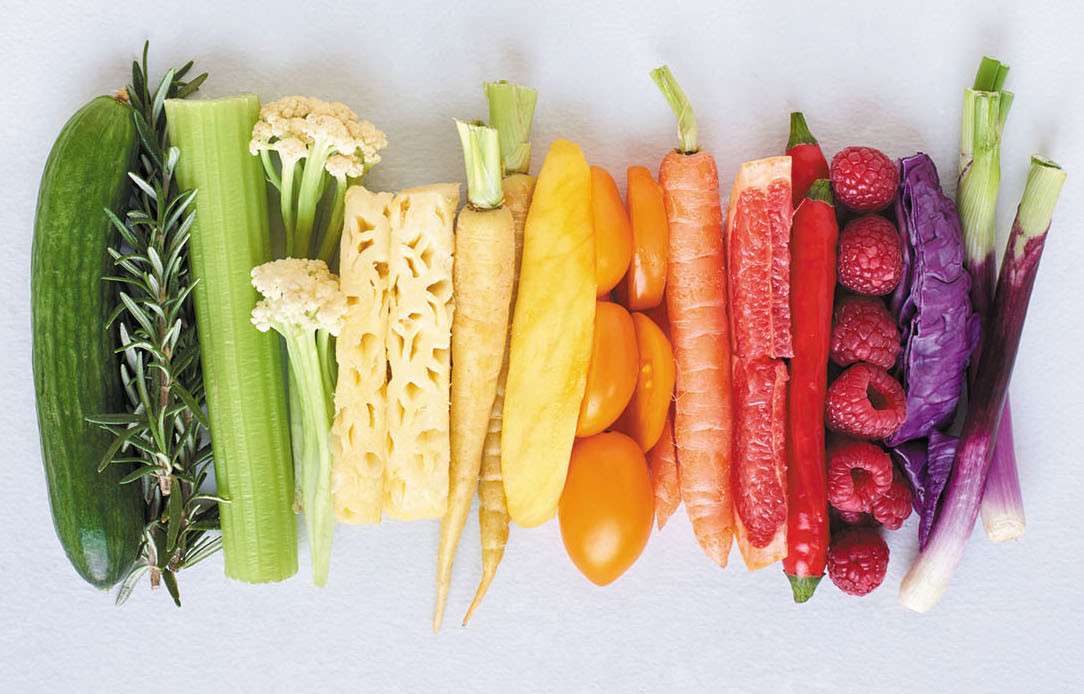
The larger role of micronutrients
You may need more of them in your daily diet than you think.
The saying goes that good things come in small packages, and that is especially true when it comes to nutrition.
There are two major classes of nutrients in food: macronutrients and micronutrients. Macro means big, and macronutrients take their name from the fact they make up the bulk of the nutrition in the food: carbohydrates, protein, and fat. These nutrients supply your calories and serve as the building blocks for muscles and tissues. Most people get plenty — and sometimes too many — from a regular diet.

Nutrients from food, not supplements, help you live longer
In the journals
An adequate intake of certain nutrients from food, but not supplements, is linked with a lower rate of death, according to a study in the April 9, 2019, Annals of Internal Medicine.
Researchers looked at the relationship between food and supplements and death from all causes among more than 30,000 adults. The results shows that adequate intakes of vitamin K, vitamin A, magnesium, zinc, and copper were associated with a lower risk of death from cardiovascular disease—but only if they came from food and not supplements.
Is your liver at risk?
Many Americans have fatty liver disease, a condition that can lead to serious liver problems.
If you're not a big drinker, you may not give much thought to the health of your liver. But there might be reason to be concerned. An estimated 64 million Americans have an often-symptomless liver condition called nonalcoholic fatty liver disease (NAFLD), which may put them at risk not only for serious liver disease, but for heart disease as well.
Many people — including doctors — didn't pay much attention to NAFLD until the 1980s, but life insurance companies have had this issue on their radar for years, says Dr. Michelle Lai, an assistant professor of medicine at Harvard Medical School. They knew that an abnormal liver blood test could reflect a lower life expectancy, and they set the premium higher or decline to insure people with the condition, she says.

Red and processed meats raise colorectal cancer risk
Research we're watching
If your diet is heavy on red and processed meat, it might be time to make some adjustments. A study of nearly 500,000 people published in the April 17 International Journal of Epidemiology found that people who ate red or processed meat four or more times a week had a 20% higher risk of colorectal cancer than those who indulged less than twice a week. Risk of colorectal cancer rose 19% for every daily 25-gram serving of processed meat, which is equivalent to a slice of ham. And for every 50-gram-a-day serving of red meat — equal to a thick piece of roast beef — risk of colorectal cancer rose by 18%. Alcohol was also linked to a higher risk of colon cancer: just a half pint of beer per day increased colon cancer risk by 8%.
But the study wasn't all bad news. A number of foods were associated with a lower risk of colon cancer, including high-fiber selections such as bread and breakfast cereals. But higher fiber intake from vegetables and fruits did not appear to reduce risk.

Fiber-full eating for better health and lower cholesterol
Most Americans don't eat enough fiber, and many people say it's because they are worried about eating too many carbs, but eating the right kind of carbs is the key, and it's not that difficult to meet the recommended daily amount.


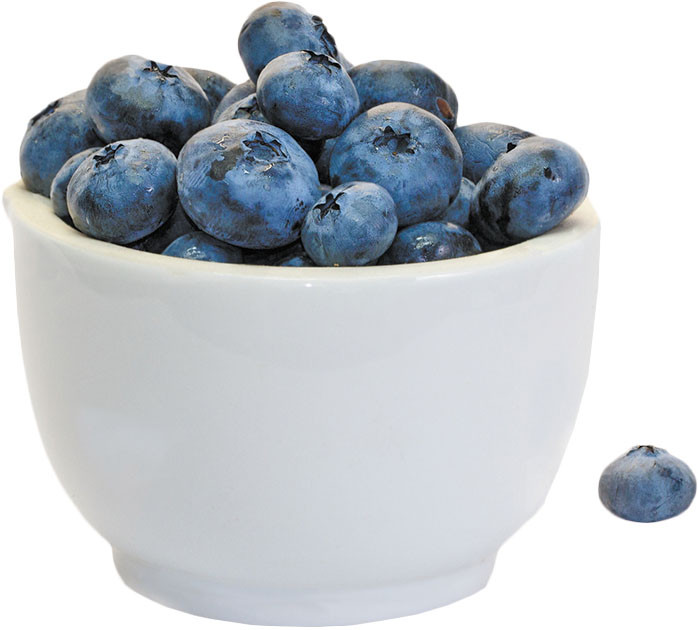
Blueberries may help lower blood pressure
In the journals
Eating a cup of blueberries every day may help your blood pressure, suggests a new study. The results, published online Feb. 16, 2019, by The Journals of Gerontology, Series A: Biological Sciences and Medical Sciences, found that consuming 200 grams of blueberries (about one cup) daily can improve blood vessel function and decrease systolic blood pressure (the top number in a blood pressure reading).
Researchers recruited 40 healthy men and randomly gave them either a drink containing 200 grams of whole wild blueberries or a control drink (which looked and tasted much the same) every day for a month. The team also monitored the men's blood pressure as well as the flow-mediated dilation of the brachial artery in their upper arms. This measures how the artery widens when blood flow increases and is a marker of reduced cardiovascular disease risk.
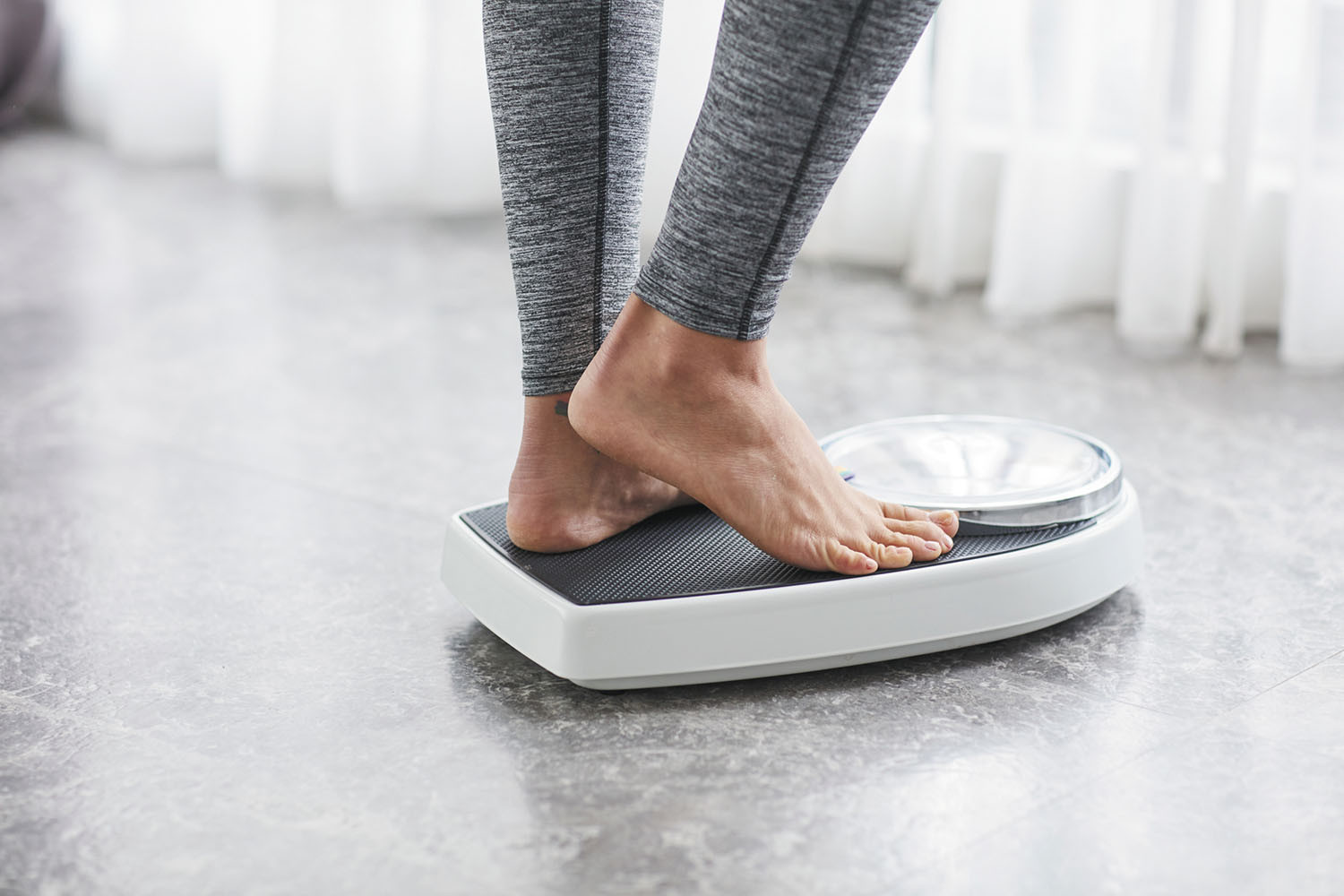
Is lack of exercise a problem if I'm at my ideal weight?
Ask the doctors
Q. I don't need to lose weight, so I don't exercise very often, but I maintain a healthy diet. Could my lack of exercise lead to health problems?
A. Exercise is essential for good health — even if you're not overweight. This point is illustrated by a recent study, published March 1 in The American Journal of Cardiology. It found that 30% of normal-weight people who were sedentary had the same risk of heart attack and stroke as people who were overweight. In short, just being at a healthy weight didn't necessarily ensure that someone was in good health. In addition to having a higher risk of serious cardiovascular events, some inactive but normal weight people were also more likely to have labored breathing during exercise and a larger-than-recommended waist circumference, compared with normal-weight adults who exercised regularly.
Hip bursitis vs. arthritis: How to tell the difference
Fitness for longevity: Which type matters most?
Ministrokes linked to elevated risk of dementia
Continuous glucose monitors benefit people who don't need insulin
CoQ10: Should you take this popular supplement if you're on a statin?
Microplastics: A hidden health threat?
Oat vs. dairy milk: Nutrition, benefits, and downsides
What is tempeh? Benefits, nutrition, and how to use it
Healing after food poisoning
Whole grains may improve several heart risk factors at once
Free Healthbeat Signup
Get the latest in health news delivered to your inbox!
Sign Up
