

Hip bursitis vs. arthritis: How to tell the difference

Fitness for longevity: Which type matters most?

Ministrokes linked to elevated risk of dementia

Continuous glucose monitors benefit people who don't need insulin

CoQ10: Should you take this popular supplement if you're on a statin?

Microplastics: A hidden health threat?

Oat vs. dairy milk: Nutrition, benefits, and downsides

What is tempeh? Benefits, nutrition, and how to use it

Healing after food poisoning

Whole grains may improve several heart risk factors at once
Healthy eating for diabetes Archive
Articles

Artificial sweeteners: No help, possible harm?
Research we're watching
Image: © Highwaystarz-Photography/Thinkstock
Close to a third of Americans say they use artificial sweeteners on a daily basis. Popular examples include aspartame (Equal, NutraSweet), sucralose (Splenda), and stevia (Truvia, Pure Via). They're all available in packets and are also added to soda, yogurt, and other foods.
But do these sugar substitutes actually help you lose weight? New research suggests they do not. In fact, these zero-calorie additives may have the opposite effect — and possibly even increase the risk of high blood pressure, diabetes, and heart disease.

Test may someday help predict diabetes risk
All women, regardless of risk, should focus on preventing diabetes.
Can a blood test act as a crystal ball, alerting you to a health hazard that may await you down the road? Researchers say they've found one that may do just that for diabetes. It could help predict whether women — even ones with no other signs of the disease — may develop the condition in the future.
In a study published online June 21 by the Journal of Clinical Lipidology, researchers showed that in many cases, a test called lipoprotein insulin resistance (LPIR) did a better job, at predicting which women would go on to develop diabetes, says Dr. Samia Mora, one of the study authors and associate professor of medicine at Harvard Medical School. In many cases, it was more accurate than traditional measures — such as
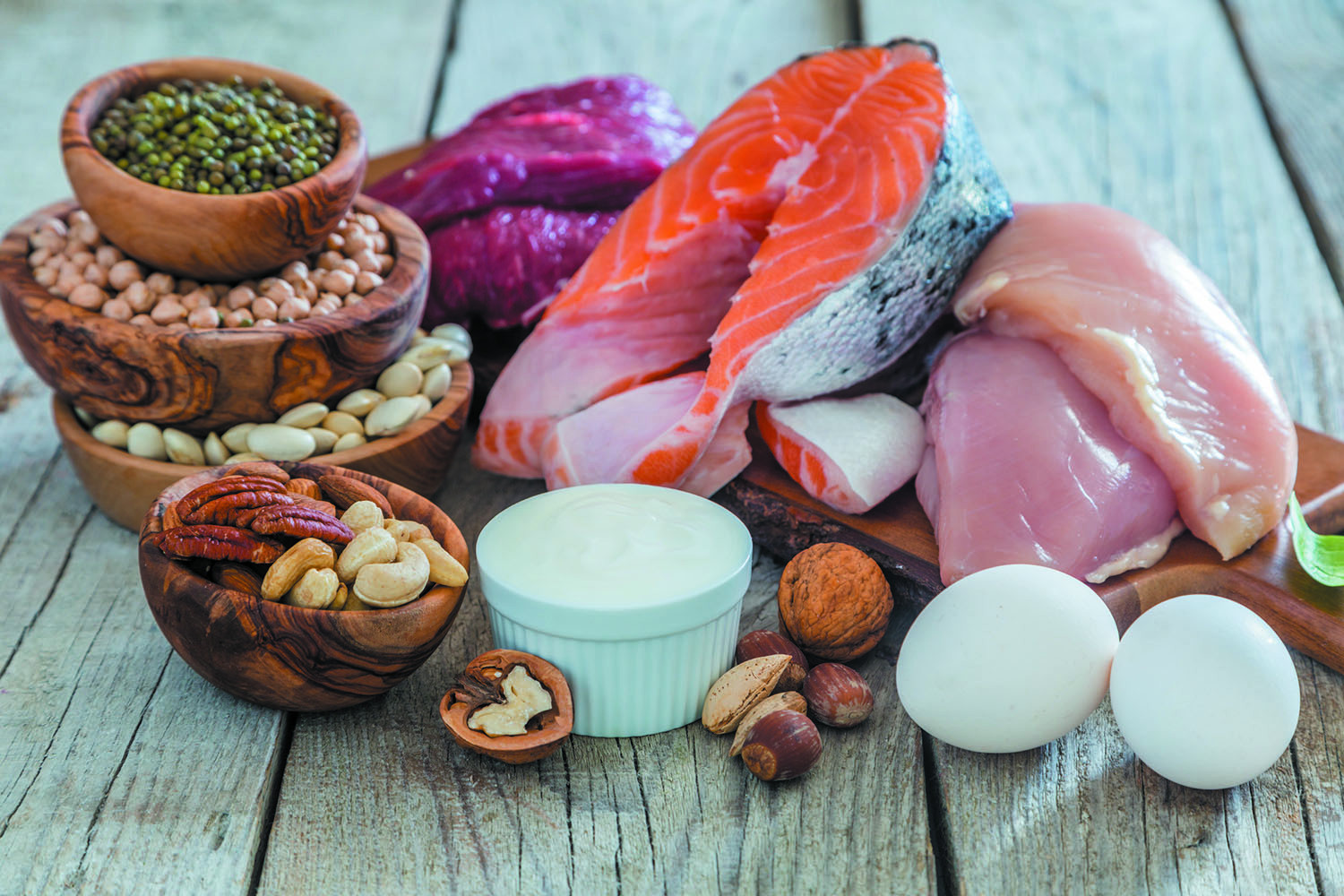
Protein at every meal may help preserve muscle strength as you age
Research we're watching
Image: © a_namenko/Thinkstock
Want to maintain your muscle strength as you age? A study in the July issue of The American Journal of Clinical Nutrition suggests that eating protein at breakfast, lunch, and dinner may help.
While it has been long thought that when you got your protein during the day didn't make a difference as long as your intake was sufficient, emerging research shows that this may not be the case. Researchers in this study looked at a group of 1,741 healthy older men and women in Canada and followed them for three years. They assessed the participants' strength and mobility at the outset of the study, and then tracked their diets and reassessed their strength at the end of the study period. People who ate protein at all three meals throughout the day were stronger at the beginning and the end of the study than those who mostly ate their protein only at dinner — even if they ate roughly the same amount of protein over all.

A doctor’s recipe for a healthy breakfast
Find out a Harvard Medical School doctor’s secret to a quick, budget friendly, and simple healthy breakfast.

Pulse power: Easy ways to make plant-based proteins a regular part of your diet
Beans, lentils, chickpeas, and other "pulses" are loaded with protein, fiber, and other nutrients.
Image: © mikafotostok/Thinkstock
Legumes are great sources of protein for those on a meat-free diet. Lately one branch of the legume family has been in the international spotlight. "Pulses" are legumes that are harvested for their dried seeds, such as chickpeas (garbanzo beans), lentils, and dried peas and beans. They're such an important protein source that the United Nations declared 2016 the International Year of the Pulses.
"When we as nutritionists talk about beans, most of them are pulses — kidney beans, navy beans, black beans, broad beans, lima beans, butter beans — there are quite a few," says registered dietitian Kathy McManus, director of the Department of Nutrition at Harvard-affiliated Brigham and Women's Hospital. By contrast, legumes such as soybeans, peanuts, peapods, and green beans don't count as pulses.

Harvard study: It’s not too late to start a healthy diet
News briefs
Image: © Jonathan Ross/Thinkstock
If you haven't been good about eating a healthy diet, take heart: A Harvard study published July 13, 2017, in The New England Journal of Medicine found that changing to one of three scientifically developed healthy eating programs was associated with longer life. The healthy diets included the Alternate Healthy Eating Index, the Alternate Mediterranean Diet, and the Dietary Approaches to Stop Hypertension (DASH) diet. Scientists looked at self-reported diet and health data from nearly 74,000 healthy men and women who significantly improved their diets and maintained them for 12 years. Scientists then looked at participants' risk of death for another 12 years. The results: people who improved their diet the most were up to 17% less likely to die, whereas those whose diets worsened the most were up to 14% more likely to die. This study strongly indicates that improving your diet, even if you start in middle age, can add years to your life — and vice versa. If you're re-evaluating your diet, check out the Harvard Special Health Report Healthy Eating for a Healthy Heart (www.health.harvard.edu/HEHH).

Have you checked your blood sugar lately?
News briefs
Many Americans may be living with the precursor condition to type 2 diabetes without even knowing it, according to a report released July 18, 2017, by the CDC. The National Diabetes Statistics Report found that more than 84 million people in the United States likely have prediabetes — higher-than-normal blood sugar levels.
Prediabetes can turn into full-blown type 2 diabetes — meaning the body doesn't respond to insulin, a hormone that helps cells absorb blood sugar for energy. Type 2 diabetes increases the risk for vision loss; heart disease; stroke; kidney failure; amputation of toes, feet, or legs; and even early death. The report found that almost one in four people with diabetes is undiagnosed.

Does drinking java lengthen your life?
News briefs
Image: © moodboard/Thinkstock
As we reported in May 2016, regularly drinking coffee is associated with lower blood pressure, less weight gain with aging, and less chance of developing type 2 diabetes or dying from cardiovascular or neurological diseases. Now a pair of 16-year studies published July 10, 2017, in Annals of Internal Medicine link coffee drinking with longevity. One study analyzed the coffee consumption of more than 520,000 men and women. People who drank three or more cups of coffee per day — either caffeinated or decaffeinated — were up to 12% less likely to die during the study, compared with people who didn't drink coffee. The other study involved more than 185,000 middle-age or older coffee drinkers who were African American, Native Hawaiian, Japanese American, Latino, or white. Those who drank four or more cups per day were 18% less likely to die for any reason during the study period compared with nondrinkers. This was the first large study of coffee drinking and longevity that included a racially and ethnically diverse group of people. The findings from these studies suggest, but don't prove, that regular coffee drinking helps you live longer. The beneficial effect of coffee seemed to plateau at more than four cups per day.

An advantage of adding almonds to your diet?
Research we're watching
Image: © Daisy-Daisy/Thinkstock
Want to help improve your cholesterol profile? Swap your midmorning muffin for a handful of almonds, suggests a study in the Aug. 1, 2017, Journal of Nutrition.
Nutritionists have long known that eating almonds and other nuts tends to lower harmful LDL cholesterol and raise desirable HDL cholesterol. But recent evidence suggests that the heart-protecting effects of HDL depend on a person's particular complement of the various forms of HDL, some of which are more beneficial than others.

Does drinking coffee offer health benefits?
On call
Image: © ktasimarr/Thinkstock
Q. I keep hearing about how great coffee is for your health. Is this just hype, or are there real benefits?
A. Multiple studies have associated drinking coffee with reduced rates of diseases, such as diabetes, kidney stones, and dementia. However, just because people who drink coffee appear to get certain health benefits, these types of studies don't prove that the coffee itself is the reason.
Hip bursitis vs. arthritis: How to tell the difference
Fitness for longevity: Which type matters most?
Ministrokes linked to elevated risk of dementia
Continuous glucose monitors benefit people who don't need insulin
CoQ10: Should you take this popular supplement if you're on a statin?
Microplastics: A hidden health threat?
Oat vs. dairy milk: Nutrition, benefits, and downsides
What is tempeh? Benefits, nutrition, and how to use it
Healing after food poisoning
Whole grains may improve several heart risk factors at once
Free Healthbeat Signup
Get the latest in health news delivered to your inbox!
Sign Up
