

Hip bursitis vs. arthritis: How to tell the difference

Fitness for longevity: Which type matters most?

Ministrokes linked to elevated risk of dementia

Continuous glucose monitors benefit people who don't need insulin

CoQ10: Should you take this popular supplement if you're on a statin?

Microplastics: A hidden health threat?

Oat vs. dairy milk: Nutrition, benefits, and downsides

What is tempeh? Benefits, nutrition, and how to use it

Healing after food poisoning

Whole grains may improve several heart risk factors at once
Healthy eating for older adults Archive
Articles

Moving to wellness while practicing body neutrality
It can be helpful to think of health as a spectrum, with illness at one end and wellness at the other. Someone who is in the neutral (middle) position can move to the wellness side by adopting and sustaining healthy lifestyle habits — and that has little to do with a person's shape or size.

Healthy oils at home and when eating out
When thinking about nutrition, some people think that all fats are bad, but this is not true. Fats are important to a healthy eating plan; the important thing is knowing the right kinds to use, and this is easier when preparing food at home than when eating in restaurants.


Enjoy avocados? Eating one a week may lower heart disease risk
Avocados are abundant in healthy fats, fiber, and micronutrients that boost heart health. A long-term study has found that people who eat avocado regularly have a lower risk of cardiovascular disease, which leads to heart attacks and strokes.

Snooze more, eat less? Sleep deprivation may hamper weight control
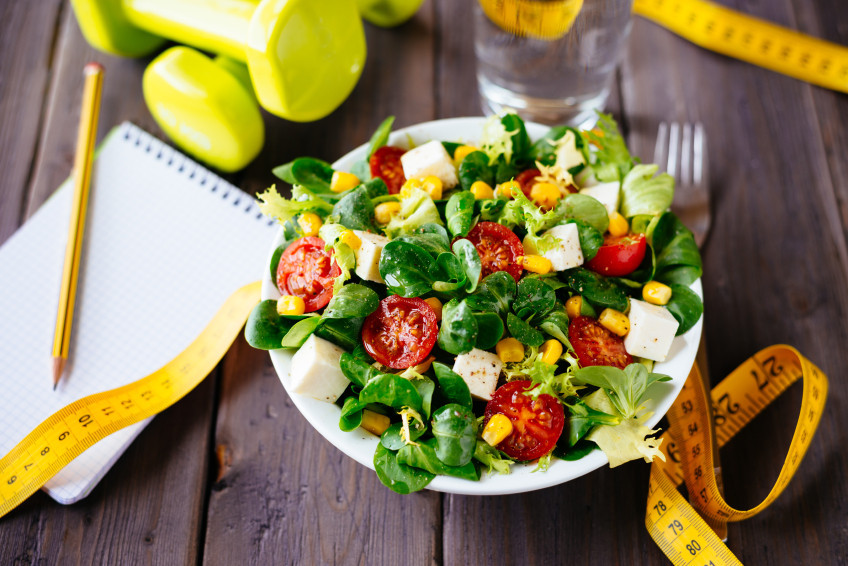
It's now understood that many factors influence a person's ability to lose weight —not just burning more calories than are taken in. A new study supports the idea that people using sleep hygiene tips to get sufficient sleep consume fewer calories than people who are sleep-deprived.

Supplementing your sleep
Sleep supplements, such as cannabidiol (CBD), melatonin, valerian, and chamomile promise a better night's sleep. But there is little evidence showing that they are effective. In addition, supplements aren't regulated, so it's not always clear if a formula contains what's listed on the label. Experts say that behavioral strategies are a better way to improve sleep. These include getting more exercise, going to bed and waking up at the same time each day, and sleeping in a cool, dark room.
Scheduled fasting may help with weight loss
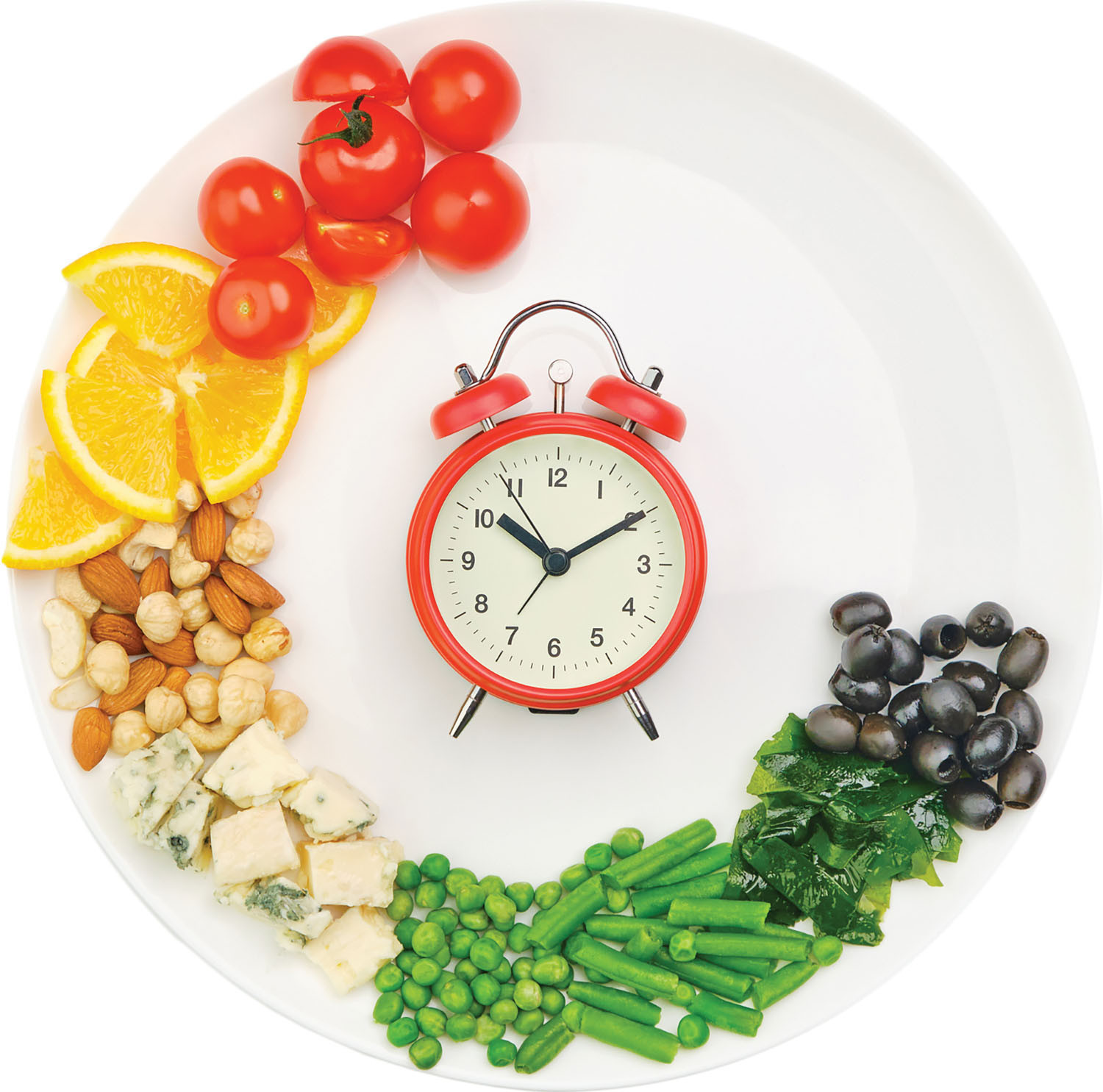
A 2021 study verified that intermittent fasting may be an effective weight-loss strategy. It also seemed to improve some measures of risk for cardiovascular disease, such as lowering blood pressure, cholesterol, and blood sugar.

Don't waste time (or money) on dietary supplements
In 2022, Americans are projected to spend $35.6 billion on dietary supplements, even though there is little, if any, evidence of benefits. Loopholes in guidelines and clever marketing allow companies to promote these products with misleading promises. While some people may need specific supplements to help with deficiencies, for the average healthy person, following a diet with plenty of fruits and vegetables provides all essential vitamins and minerals.

Eating more olive oil linked to longer life span
Consuming more than a half tablespoon of olive oil per day may protect people from cardiovascular disease, cancer, and Alzheimer's disease, according to a 2022 study.
Hip bursitis vs. arthritis: How to tell the difference
Fitness for longevity: Which type matters most?
Ministrokes linked to elevated risk of dementia
Continuous glucose monitors benefit people who don't need insulin
CoQ10: Should you take this popular supplement if you're on a statin?
Microplastics: A hidden health threat?
Oat vs. dairy milk: Nutrition, benefits, and downsides
What is tempeh? Benefits, nutrition, and how to use it
Healing after food poisoning
Whole grains may improve several heart risk factors at once
Free Healthbeat Signup
Get the latest in health news delivered to your inbox!
Sign Up
