

Hip bursitis vs. arthritis: How to tell the difference

Fitness for longevity: Which type matters most?

Ministrokes linked to elevated risk of dementia

Continuous glucose monitors benefit people who don't need insulin

CoQ10: Should you take this popular supplement if you're on a statin?

Microplastics: A hidden health threat?

Oat vs. dairy milk: Nutrition, benefits, and downsides

What is tempeh? Benefits, nutrition, and how to use it

Healing after food poisoning

Whole grains may improve several heart risk factors at once
Healthy eating for older adults Archive
Articles

Are poinsettias, mistletoe, or holly plants dangerous?
It's commonly believed that poinsettia plants are poisonous, but are they? If they are dangerous, what can happen if some is ingested? What about other popular holiday-season plants like mistletoe or holly? If you have any of these in your home, what should you know about them?

Waiting for motivation to strike? Try rethinking that
We all know that motivation is key to accomplishing our goals, but even if you have a much-desired goal in mind, it's too easy for motivation to dissipate. Before setting a goal, it's critical to identify why it is important to you, to create a detailed plan that outlines how you will achieve it, and to make a to-do list so you can track your progress.

Recommendation calls for earlier diabetes screening in people who are overweight
According to a new recommendation from the US Preventive Services Task force, diabetes screening should begin age 35 for people who are overweight, defined as a body mass index (BMI) of 25 or greater.

Soup up your meals
With the right ingredients, a warm bowl of soup can also be an easy way to boost intake of vegetables and important nutrients. A good option is a broth-based soup with vegetables, whole grains, and a healthy protein such as beans or chicken. Mixing and matching ingredients can not only accommodate taste preferences but nutritional needs.

Treating low vitamin D levels may help people live longer
Treating people who have low levels of vitamin D with supplements may reduce their risk for heart attacks and death from any cause.

FDA urges the food industry to cut back on salt
The FDA called for the food industry to voluntarily cut the amount of sodium in processed, packed, and prepared foods. Those products provide about 70% of the sodium in the typical American diet.
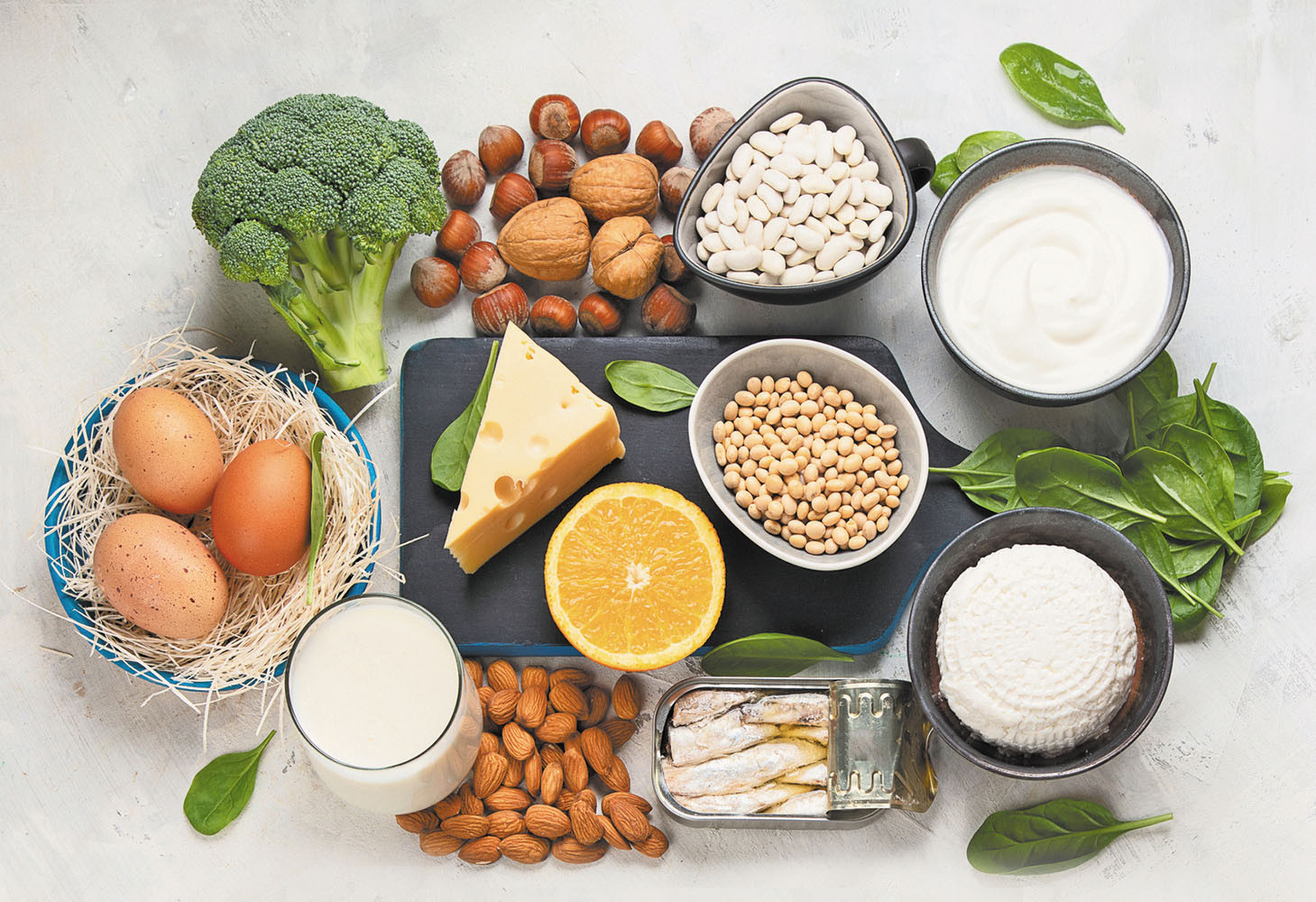
Essential nutrients your body needs for building bone
Older adults must pay special attention to their intakes of calcium, vitamin D, and protein. These important nutrients are crucial for maintaining bone health. Doctors say it's probably best to take a supplement to get enough vitamin D. Calcium and protein are best when they come from foods, such as canned salmon with bones, sardines, beans, dairy products (cheese, yogurt, cottage cheese, milk), leafy greens, or nuts. Other important nutrients for bone health, such as magnesium, phosphorous, and potassium, can be obtained by simply eating a diet rich in fruits, vegetables, legumes, nuts, seeds, and lean proteins.

Watch out for these balance busters
Many factors can impair balance and lead to falls, such as vision, hearing, or joint problems; medication side effects; and environmental hazards. To improve balance and reduce the risk for falls, one can remove fall hazards from the home, treat underlying conditions that increase fall risk, consider adjusting medications that affect balance, get physical therapy, use an assistive walking device, wear supportive shoes that hold the feet in place, and frequently challenge balance with balance exercises.

Are your shots up to date?
A number of vaccinations are recommended for adults. These include not only the COVID-19 vaccine, but also an annual influenza shot and vaccinations for shingles and pneumococcal disease, among others. A doctor may also recommend additional vaccines depending on a person's individual circumstances, such as planning travel or caring for a newborn. Adults should check periodically to make sure that they are up to date with all of their shots.

Meal of the month: Healthy meals for 2022
Hip bursitis vs. arthritis: How to tell the difference
Fitness for longevity: Which type matters most?
Ministrokes linked to elevated risk of dementia
Continuous glucose monitors benefit people who don't need insulin
CoQ10: Should you take this popular supplement if you're on a statin?
Microplastics: A hidden health threat?
Oat vs. dairy milk: Nutrition, benefits, and downsides
What is tempeh? Benefits, nutrition, and how to use it
Healing after food poisoning
Whole grains may improve several heart risk factors at once
Free Healthbeat Signup
Get the latest in health news delivered to your inbox!
Sign Up
