

Hip bursitis vs. arthritis: How to tell the difference

Fitness for longevity: Which type matters most?

Ministrokes linked to elevated risk of dementia

Continuous glucose monitors benefit people who don't need insulin

CoQ10: Should you take this popular supplement if you're on a statin?

Microplastics: A hidden health threat?

Oat vs. dairy milk: Nutrition, benefits, and downsides

What is tempeh? Benefits, nutrition, and how to use it

Healing after food poisoning

Whole grains may improve several heart risk factors at once
Healthy eating for older adults Archive
Articles

Broccoli and related veggies may boost blood vessel health
Research we're watching
Eating a daily serving of cabbage, cauliflower, broccoli, or brussels sprouts is linked to a lower likelihood of harmful calcium buildup in the aorta, the body's largest artery, according to a new report.
The study featured 694 older Australian women who were initially enrolled in a study looking at diet, supplements, and bone fractures. The spine imaging tests used in the study also revealed the amount of calcification in the abdominal portion of the aorta. So researchers used those data to explore the link between diet and aortic calcification, a sign of plaque buildup (atherosclerosis) that leads to cardiovascular disease. The study, which was published online July 17, 2020, by the British Journal of Nutrition, found 46% lower odds of extensive abdominal aortic calcification among women who ate at least 45 grams of cruciferous vegetables daily (equal to one serving; about a half-cup) as compared with women who ate less than 15 grams of cruciferous veggies a day. The vegetables contain substances such as fiber that help discourage atherosclerosis.
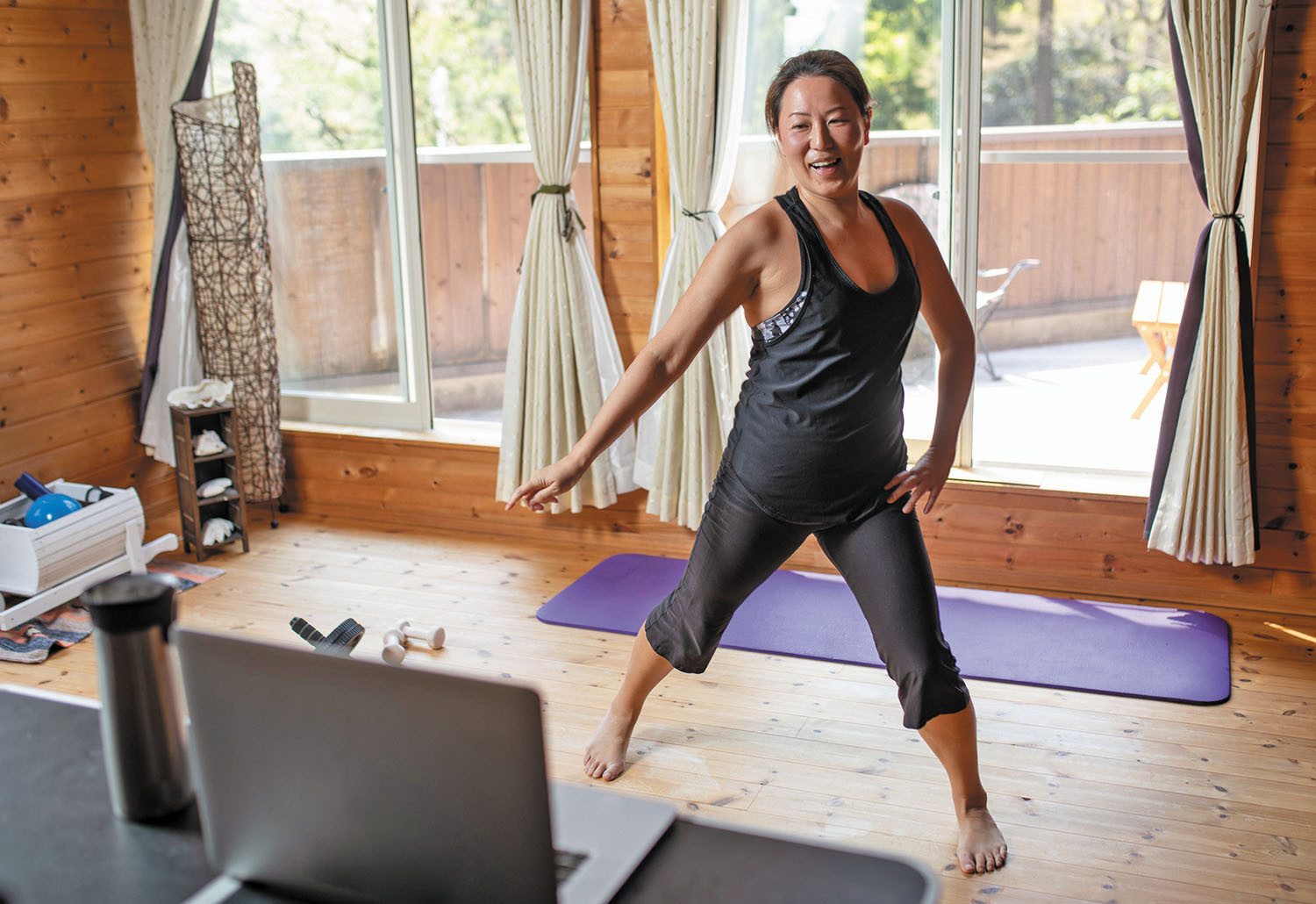
Stuck at home?
You can get a good workout anyway.
The winter months present numerous challenges to maintaining your fitness in a typical year. This year, with the COVID-19 pandemic, it may be harder than ever to get to the gym or your usual exercise class.
What can you do to keep your body in motion and not lose ground as the weather turns colder? The answer, luckily, is plenty, says Dr. Beth Frates, an assistant professor physical medicine and rehabilitation at Harvard Medical School. There are many effective workouts that don't require a large space, a gym, expensive equipment, or even a live instructor.

Common ways to fight the common cold
These three remedies may reduce symptom duration and severity.
While there's no cure for the common cold, everyone seems to have a surefire remedy they embrace.
Some of the popular ones are sucking on zinc lozenges, boosting your vitamin C intake, and even slurping up steaming bowls of old-fashioned chicken soup.

Broccoli and brussels sprouts may promote heart health
Broccoli, brussels sprouts, and other cruciferous vegetables are associated with fewer calcified fatty plaques in the aorta.

New ingredient may keep bugs at bay
Research we're watching
A new type of bug spray may hit the market in the next few years. The Environmental Protection Agency recently approved a new ingredient for use in these products. Called nootkatone, this ingredient, which smells like grapefruit, is hoped to safely kill and drive away mosquitos and ticks. Studies show that it's about as effective as other ingredients used in insect sprays, and it can provide protection against bugs for several hours at a time.
Nootkatone is found naturally in Alaska yellow cedar trees as well as in grapefruit skin and has long been used in perfumes. Now that the ingredient is registered with the EPA, companies can use it to develop commercial insecticides, something that could happen as soon as 2022, according to the CDC. This will expand the options for insect control and may be particularly useful in areas where insects have become resistant to existing products, says the CDC.

About face
This daily routine can help your aging skin stay healthy.
Your skin goes through many changes as you age. All you need to do is look in the mirror.
Aging skin loses fat and becomes thinner and drier. Red and pimply spots can appear on the face (a condition known as rosacea).

The new-old way to treat gout
New guidelines suggest doing more of the same. The problem is that many people don't.
You never forget your first gout attack. The severe pain, swelling, and redness hits hard and fast. The initial attack often strikes your big toe's large joint, but later ones might affect the foot or ankle. Other hot spots include the knees, hands, and wrists.
First-line treatment is quite effective and includes anti-inflammatory medications, ice therapy, and rest. A combination of diet and lifestyle changes and prescription drugs — an approach called urate-lowering therapy, or ULT — is typically recommended if attacks recur or become more severe.

Are you taking too many medications?
Peer into your pillbox: It may be time to streamline your drug regimen.
Medication regimens often start simply, perhaps with a multivitamin and a single prescription drug to treat a chronic condition. But with age and more health problems, a regimen may grow to include additional prescription drugs and dietary supplements (such as vitamin D and calcium), plus over-the-counter medicines to reduce symptoms such as pain or heartburn. In time, you can find yourself facing a crowded pillbox and a complicated regimen.
"Among people age 62 to about 85, a third will take five medications per person. In the higher-risk population that I take care of, those people average 15 medications per person. And some of the dialysis patients take about 20 prescriptions," says Joanne Doyle Petrongolo, a pharmacist at Harvard-affiliated Massachusetts General Hospital.

Easy ways to fight pandemic-era inactivity
Interrupt your sitting time with a break every hour.
For many people, the effects of the pandemic include less physical activity. But long periods of sitting are bad for health. They're associated with increased risks for obesity, diabetes, heart disease, stroke, cancer, and metabolic syndrome (a cluster of health conditions that include abdominal obesity, unhealthy cholesterol levels, high blood pressure, and high blood sugar). Too much sitting is even linked to an early death. The good news: staying active throughout the day helps reverse the effects of too much sitting.
Doctor's orders
"Take a two-, five-, or 10-minute break at least once per hour," advises Dr. Beth Frates, director of wellness programming for the Stroke Research and Recovery Institute at Harvard-affiliated Spaulding Rehabilitation Hospital.

5 factors to help you gauge where COVID-19 risk is highest
The more risk factors, the higher your chance of exposure.
Your local gym, the take-out joint, the gas station or grocery store, your doctor's office, your grandchild's playground: among the public areas you visit most, which ones pose the biggest risks for exposure to COVID-19?
For advice, we turned to Joseph Allen, associate professor of exposure assessment science and director of the Healthy Buildings Program at the Harvard T.H. Chan School of Public Health. He suggests considering the following five risk factors.
Hip bursitis vs. arthritis: How to tell the difference
Fitness for longevity: Which type matters most?
Ministrokes linked to elevated risk of dementia
Continuous glucose monitors benefit people who don't need insulin
CoQ10: Should you take this popular supplement if you're on a statin?
Microplastics: A hidden health threat?
Oat vs. dairy milk: Nutrition, benefits, and downsides
What is tempeh? Benefits, nutrition, and how to use it
Healing after food poisoning
Whole grains may improve several heart risk factors at once
Free Healthbeat Signup
Get the latest in health news delivered to your inbox!
Sign Up
