

Hip bursitis vs. arthritis: How to tell the difference

Fitness for longevity: Which type matters most?

Ministrokes linked to elevated risk of dementia

Continuous glucose monitors benefit people who don't need insulin

CoQ10: Should you take this popular supplement if you're on a statin?

Microplastics: A hidden health threat?

Oat vs. dairy milk: Nutrition, benefits, and downsides

What is tempeh? Benefits, nutrition, and how to use it

Healing after food poisoning

Whole grains may improve several heart risk factors at once
Healthy eating for older adults Archive
Articles
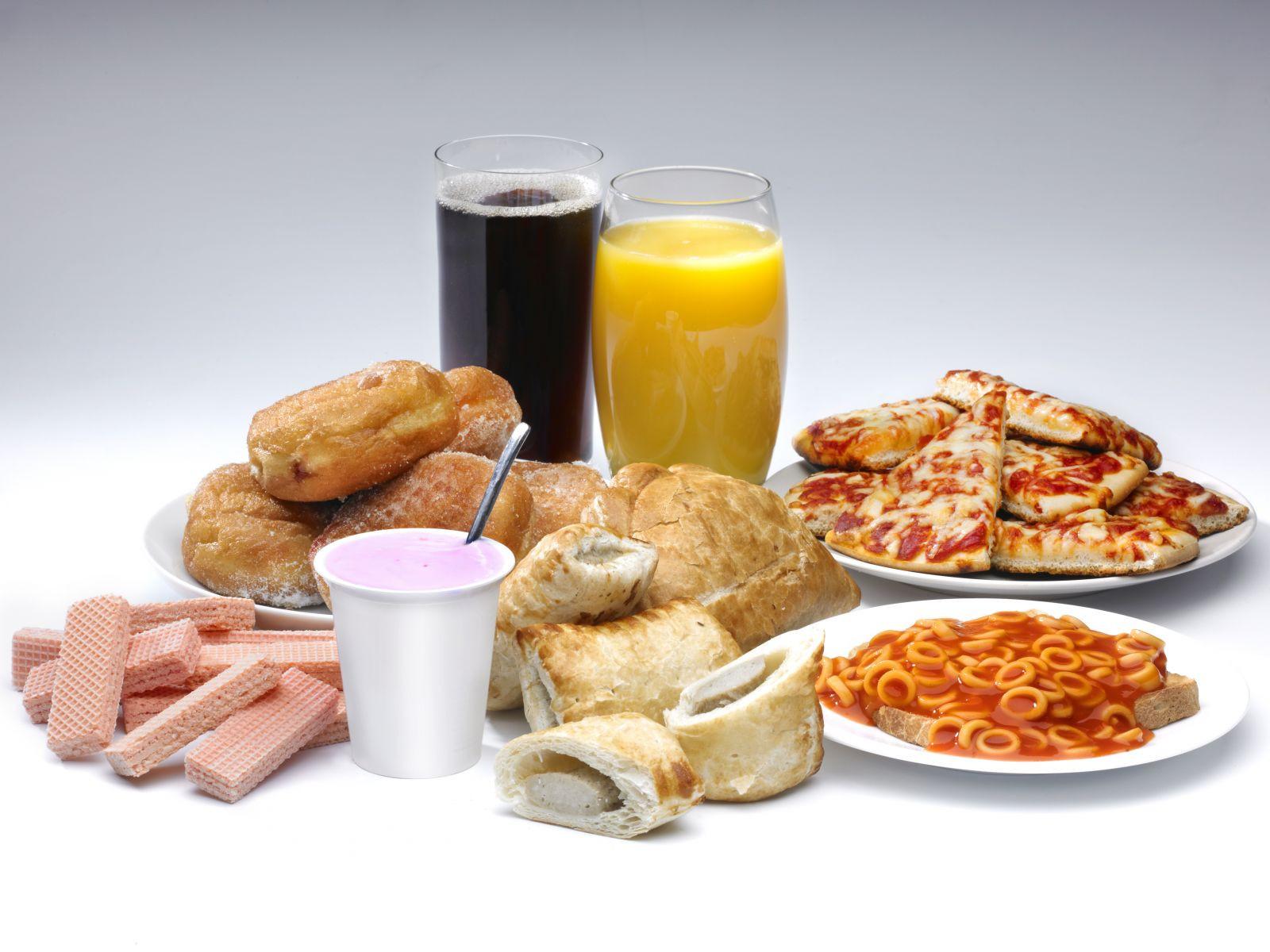

I have inflammatory bowel disease (IBD). What should I eat?
For people with inflammatory bowel disease (IBD), knowing which foods to eat and which to avoid is important information. An international organization has developed guidelines for some kinds of food, with the aim of helping people with this condition reduce symptoms and inflammation.

Sauna Health Benefits: Are saunas healthy or harmful?
A sauna benefits your heart health, as long as you practice sauna safety
A saunas' dry heat (which can get as high as 185° F) has profound effects on the body. Skin temperature soars to about 104° F within minutes. The average person will pour out a pint of sweat during a short stint in a sauna. The pulse rate jumps by 30% or more, allowing the heart to nearly double the amount of blood it pumps each minute. Most of the extra blood flow is directed to the skin; in fact, the circulation actually shunts blood away from the internal organs. Blood pressure is unpredictable, rising in some people but falling in others.
Saunas appear safe for most people. However, people with uncontrolled high blood pressure and heart disease should check with their doctors before taking a sauna.


Which painkiller is safest for you?
It's more important than ever to consider your particular health risks before popping a nonprescription pain reliever.
Have a headache, muscle strain, or maybe arthritis pain? Don't reach for just any over-the-counter (OTC) remedy. Nonsteroidal anti-inflammatory drugs (NSAIDs) such as ibuprofen (Advil, Motrin), naproxen (Aleve), and aspirin are commonly used OTC painkillers. So is acetaminophen (Tylenol). For decades, these drugs were thought to be entirely safe — justifying the ability to purchase them without a doctor's prescription.
But the thinking on OTC painkillers has changed now that we know more about their risks. And it's especially important to navigate these medications with care. Here are guidelines to help you narrow the options.

Regular tea drinking linked to better heart health
Research we're watching
Sipping a cup of tea at least every other day or so may be good for your heart, according to a study published online January 9 by the European Journal of Preventive Cardiology.
The study included data from more than 100,000 Chinese adults who were part of a long-term health study. The participants provided health and behavioral information, including how much tea they drank. The follow-up lasted an average of seven years.

Take control of rising cholesterol at menopause
Here's what the numbers mean — and strategies to lower your cholesterol if it's too high.
For some women who've had normal cholesterol readings all their lives, that changes at menopause. "Going through menopause often results in lipid and cholesterol changes for the worse," says Dr. Samia Mora, an associate professor of medicine at Harvard Medical School and a specialist in cardiovascular medicine the Brigham and Women's Hospital. Drops in the female hormone, estrogen, are associated with a rise in total cholesterol levels due to higher amounts of low-density lipoprotein (LDL), the "bad" cholesterol, and another blood lipid (fat) known as triglyceride. Over time this can raise heart risks, which is a reason for concern, as cardiovascular disease is the No. 1 cause of death in postmenopausal women, says Dr. Mora.
"So, it's especially important to track the numbers in perimenopause and the early years after menopause, as LDL cholesterol and total cholesterol tend to increase," she says.

Is it safe to eat fish?
Ask the doctor
Q. You recommend eating fish twice a week. However, I've read that fish contain toxins and microplastics. Is it really safe to eat fish?
A. Most options in life contain both benefits and risks. Foods are no exception. Eating fish has potential benefits (largely from the omega-3 fats they contain) and risks (from the toxins). Do the benefits exceed the risks? That question has been addressed by research — much of it by colleagues here at Harvard. The answers are different for different people, and for different types of fish.
Taking heart medications? Don’t forgo healthy habits
Research we're watching
People may let healthy eating and exercise habits slide after starting prescription heart medications, according to a study in the February 18 Journal of the American Heart Association.
The study involved more than 40,000 Finnish people whose average age was 52. From 2000 to 2013, researchers surveyed them at least twice every four years about their body mass index and their exercise, smoking, and drinking habits. They used pharmacy records to track if the participants began taking blood pressure drugs or statins.

Medical news: Act now, or hold back?
Asking some simple questions can help you determine what medical research to pay attention to and when to wait for more information.
Every day there's something new in the world of medical research, and sometimes the results conflict. Eggs are good for your heart, or not. First surgery is advised to repair tears to cartilage in the knee, then nonsurgical options are favored. Do this, not that, for better health. For many women, all this information is a little confusing. When should you change your health habits, and when should you wait for more information? How can you tell the difference?
"It can be difficult for the consumer to know what research study is preliminary at best and in need of replication, versus a study that should cause you to change your life," says Dr. Andrew Budson, a lecturer in neurology at Harvard Medical School and chief of cognitive and behavioral neurology at the VA Boston Healthcare System.
Hip bursitis vs. arthritis: How to tell the difference
Fitness for longevity: Which type matters most?
Ministrokes linked to elevated risk of dementia
Continuous glucose monitors benefit people who don't need insulin
CoQ10: Should you take this popular supplement if you're on a statin?
Microplastics: A hidden health threat?
Oat vs. dairy milk: Nutrition, benefits, and downsides
What is tempeh? Benefits, nutrition, and how to use it
Healing after food poisoning
Whole grains may improve several heart risk factors at once
Free Healthbeat Signup
Get the latest in health news delivered to your inbox!
Sign Up
