

Hip bursitis vs. arthritis: How to tell the difference

Fitness for longevity: Which type matters most?

Ministrokes linked to elevated risk of dementia

Continuous glucose monitors benefit people who don't need insulin

CoQ10: Should you take this popular supplement if you're on a statin?

Microplastics: A hidden health threat?

Oat vs. dairy milk: Nutrition, benefits, and downsides

What is tempeh? Benefits, nutrition, and how to use it

Healing after food poisoning

Whole grains may improve several heart risk factors at once
Healthy eating for older adults Archive
Articles
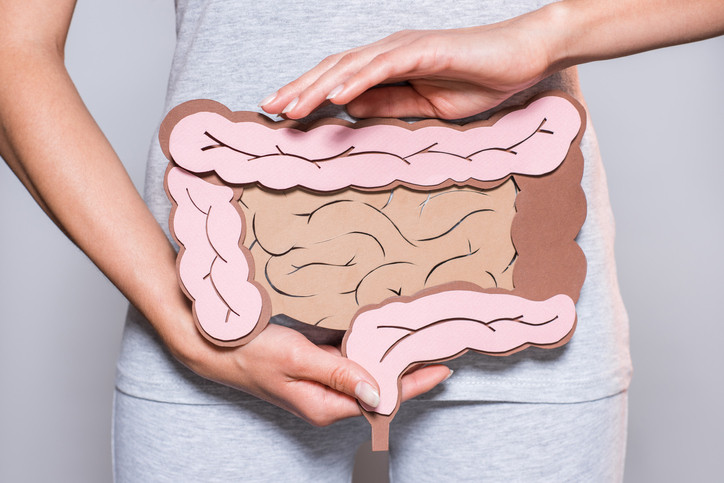
Feeling gassy — is it ever a cause for concern?
Intestinal gas can be embarrassing, but is a normal part of digestion. Only rarely is excess gas cause for concern. Which foods you eat –– and how you digest them –– can make a difference.

Avoiding nuts and seeds for better gut health? You shouldn’t
Nuts and seeds are rich in fiber, which is important for gut health and keeping you regular. And, contrary to a common concern, no evidence links eating nuts and seeds to a painful gut infection called diverticulitis.

5 tools to help you stand up on your own
Protect your independence with gadgets for your home or car.
The simple act of standing up from a sitting position is one of the most important for independence, especially in the bathroom. But the ability to get up sometimes goes south as we age. It could be because of a medical problem or just too much sitting. "When you sit and bend your knee, the gluteal muscles in the buttocks and the quadriceps in the thighs are lengthened. If you sit all the time, the muscles become overstretched and weak," says Clare Safran-Norton, clinical supervisor of rehabilitation services at Harvard-affiliated Brigham and Women's Hospital.
Exercise can help
If you're able to exercise, try strengthening the "glutes" and quadriceps regularly with exercises you can do around the house.

Are there any new vaccines?
Ask the doctor
Q. Fancy new technologies keep appearing in medicine. Are there any innovative new kinds of vaccines?
A. There sure are. Vaccines are one of the greatest inventions in history. The smallpox vaccine campaign conducted by the World Health Organization eradicated the disease from the face of the earth by 1980. How much good did that do? From 1900 to 1980, 300 million people died from smallpox. Since 1980, not one death.
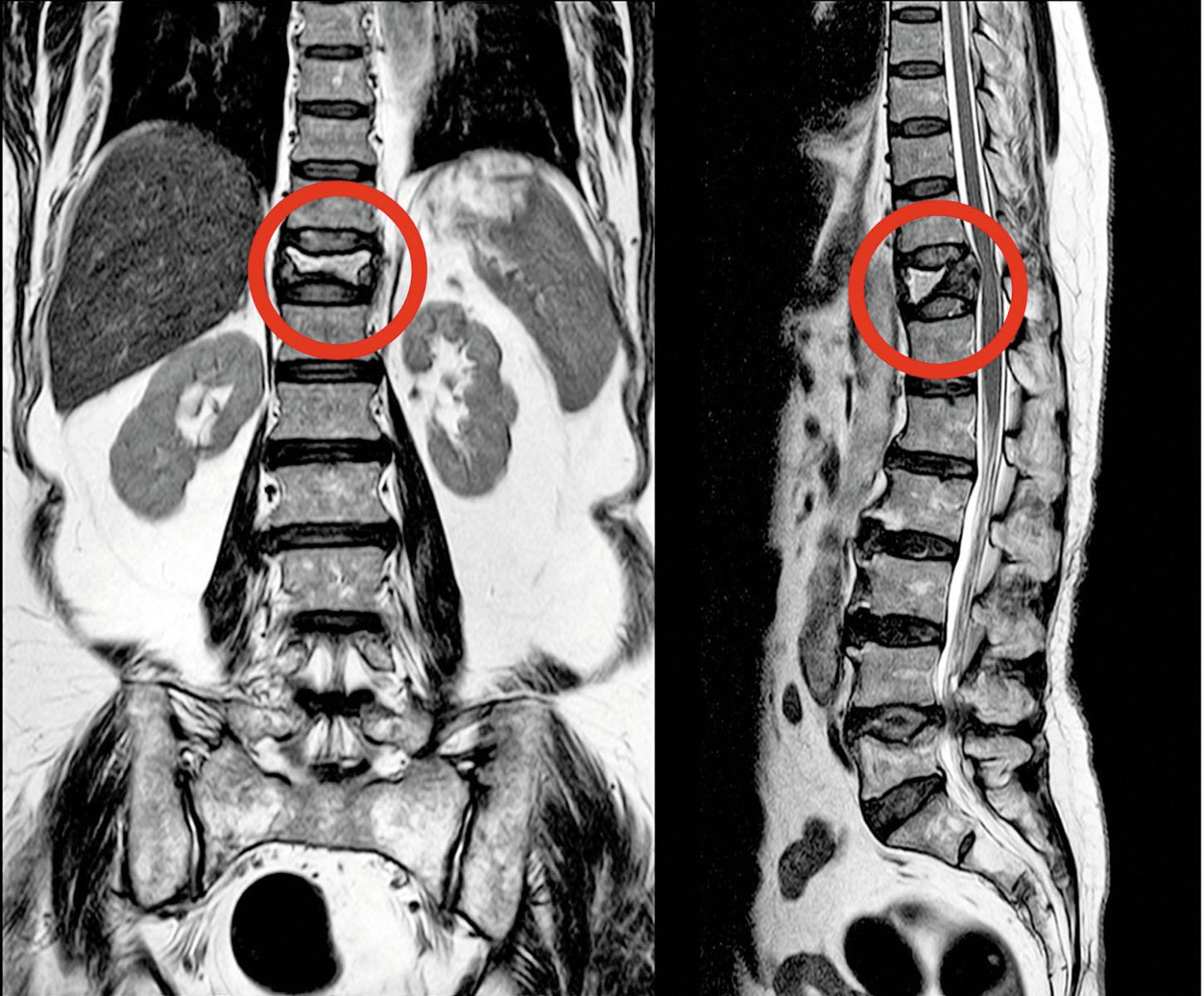
A broken back without the fall
Don't ignore back pain, height loss, or osteoporosis. They could be signs of a compression fracture.
You didn't fall, and you didn't do anything strenuous. So it may come as a surprise when the bad back pain you've been experiencing turns out to be one or more broken bones in your back. "A common story is that someone bends down to put something in the dishwasher or steps off a curb a little hard and puts additional load on their spine. The weakened bone is not adequate to take that load, and it collapses," says Dr. Julia Charles, a rheumatologist and bone cell researcher at Harvard-affiliated Brigham and Women's Hospital.
What weakens the spine?
Your spine contains about 30 bones called vertebrae, stacked on top of each other like a roll of quarters. Each vertebra consists of an external bone surface (like plaster), and an inside filled with a honeycomb of support rods called trabeculae.
Harvard researchers: Red meat consumption tied to early death
News briefs
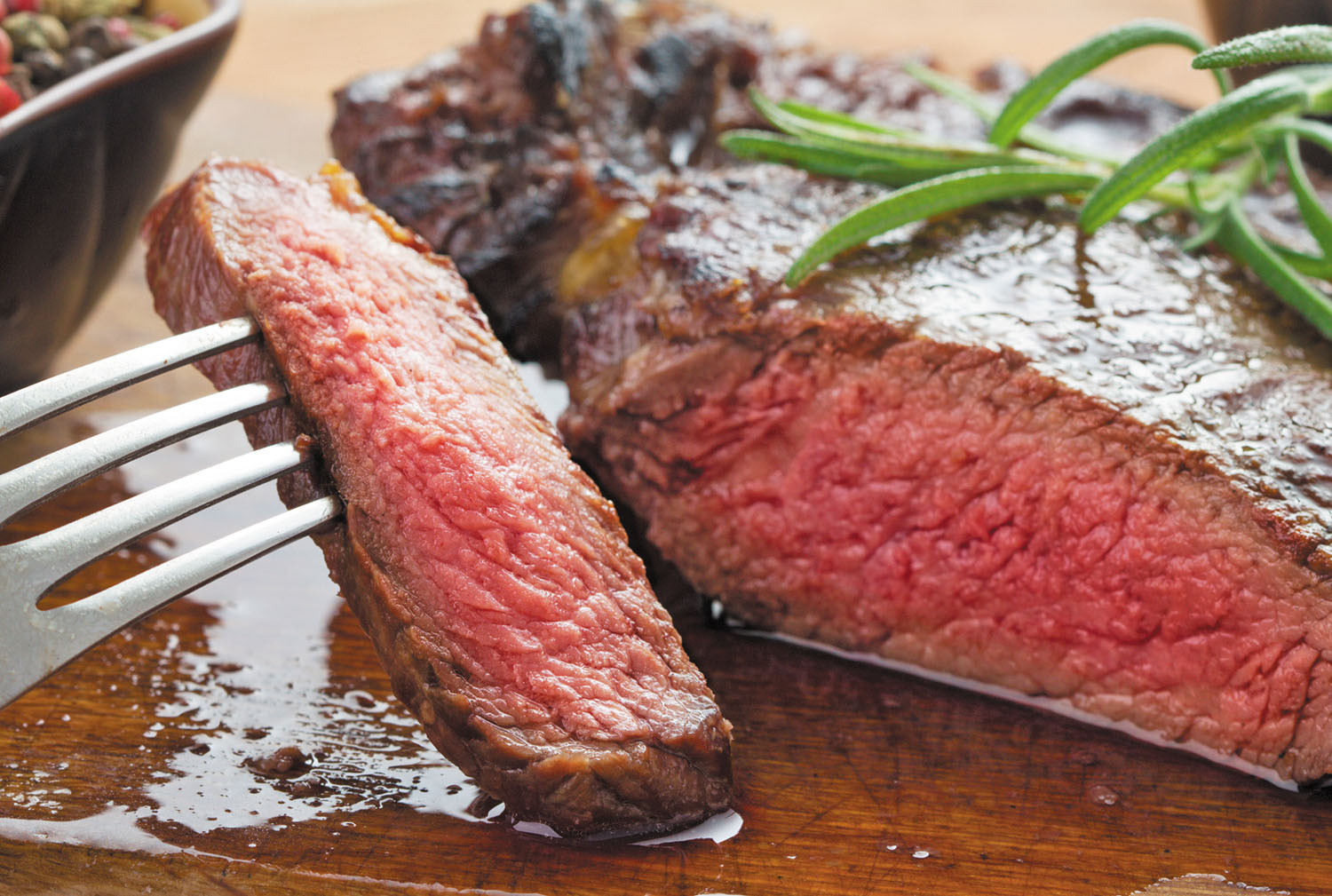
We already know that a diet rich in red meat is linked to many health problems, such as heart disease, type 2 diabetes, and colorectal cancer. Now a Harvard-led study published online June 12, 2019, by BMJ suggests that boosting your red meat intake increases your risk for early death. Scientists analyzed questionnaire answers about health and diet provided by more than 81,000 healthy men and women between 1986 and 2010. In particular, researchers looked at whether changes in red meat consumption during an eight-year period of the study affected the risk of death eight years later. The findings: An increase of just half a serving of processed red meat per day was associated with a 13% higher risk for dying young from any cause; an additional half-serving of unprocessed red meat increased the risk by 9%. On the flip side, decreasing total red meat consumption and increasing the consumption of nuts, fish, poultry without skin, dairy, eggs, whole grains, or vegetables was tied to a lower risk of death. The takeaway: Try to curb your appetite for red and processed meats like bacon, salami, and hot dogs. Eat more poultry, fish, or plant-based proteins (like beans, lentils, nuts, and seeds), along with the other components of a healthy diet.
Image: © Pavlo_K/Getty Images

Can these three steps save 100 million lives?
News briefs
A study published online June 10, 2019, by Circulation suggests that scaling up three healthy lifestyle changes could increase the life spans of almost 100 million people around the world. Researchers — led by a team from the Harvard T.H. Chan School of Public Health — evaluated global data on death rates, blood pressure levels, the use of blood pressure medications, sodium and trans fat intake, country, age, and gender. They estimated that a worldwide push to lower blood pressure, reduce salt intake by 30%, and eliminate the consumption of trans fat could delay more than 94 million deaths from cardiovascular disease in the next 25 years. More than half of those deaths would be among adults ages 70 or older, and more than half of all deaths would be among men. Regions that would see the most benefit are outside the United States — in East Asia, South Asia, the Pacific, and parts of Africa. But we can all benefit from the three lifestyle changes. Trans fat has already been banned in foods in the United States. But if your blood pressure isn't under control, it's time to talk to your doctor about treatment and to reduce sodium intake to well under 2 grams per day.
Image: © CatLane/Getty Images

Cyber security risk sparks implanted device recalls
News briefs
As we reported last year, advances in digital health monitoring — such as implantable sensors to detect irregular heartbeats — are changing the way health is managed. The gadgets are programmed wirelessly and can transmit information to your doctor's office or to other gadgets, such as an external blood sugar monitor that tells an implanted pump how much insulin to release. But it's unclear if the devices are safe from hackers who could illegally access your information, steal your identity, and even make an implanted device malfunction. Now the FDA is warning that certain insulin pumps — the Medtronic MiniMed 508 series and MiniMed Paradigm series pumps — are at risk of being hacked. Medtronic recalled the pumps in June, estimating that at least 4,000 people are at risk. The FDA says Medtronic will provide alternative pumps.
Talk to your doctor to get the process started or if you're concerned that your pump's settings have been changed. In March, the U.S. Department of Homeland Security issued similar warnings about 750,000 Medtronic implantable cardioverter-defibrillators. Medtronic did not recall them but is working on a software update to improve security.
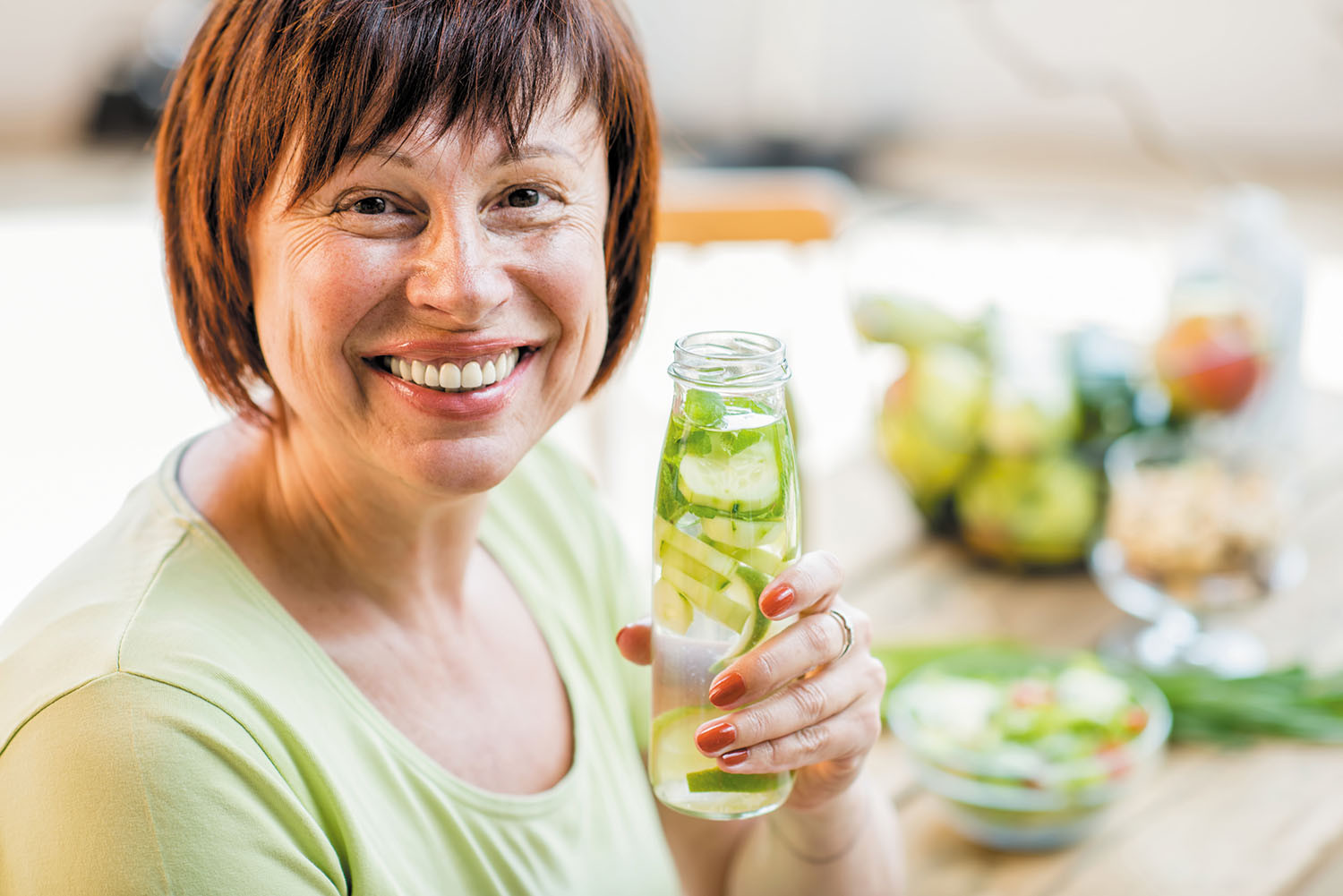
The best beverages for your heart
Sweet drinks go down easy, but they may be hard on your heart. Aside from plain water, the healthiest choices are unsweetened tea, coffee, and flavored waters.
When you want to quench your thirst with something a little more exciting than plain old water, there are a dizzying array of choices these days. However, many of the beverages in supermarkets and convenience store aisles are loaded with added sugar. Even many of those that sound healthy (such as 100% fruit juice and vitamin-enhanced water) contain as much sugar as regular sodas.
Yes, the sugar in fruit juice is naturally occurring, as opposed to the processed sugar (usually high-fructose corn syrup) found in many carbonated and noncarbonated drinks such as sodas, vitamin water, and the like. But people should still be mindful about consuming too much fruit juice, says Vasanti Malik, a nutrition researcher at the Harvard T.H. Chan School of Public Health.

Legume of the month: Soybeans
Unlike many other common bean varieties, soybeans don't usually show up in canned or dried forms on super-market shelves. But other versions of this versatile legume can be found in many sections of well-stocked stores.
In the freezer section, for example, you can find packaged green soybeans, usually still in their pods (pictured above). Called edamame — a Japanese word meaning "stem beans" — they're commonly served as an appetizer in Asian restaurants. Squeeze the pods to pop out the bright green beans, which are good source of fiber and several vitamins, most notably B9 (folate) and K. Soybeans are a complete protein, meaning they contain all nine essential amino acids.
Hip bursitis vs. arthritis: How to tell the difference
Fitness for longevity: Which type matters most?
Ministrokes linked to elevated risk of dementia
Continuous glucose monitors benefit people who don't need insulin
CoQ10: Should you take this popular supplement if you're on a statin?
Microplastics: A hidden health threat?
Oat vs. dairy milk: Nutrition, benefits, and downsides
What is tempeh? Benefits, nutrition, and how to use it
Healing after food poisoning
Whole grains may improve several heart risk factors at once
Free Healthbeat Signup
Get the latest in health news delivered to your inbox!
Sign Up
